













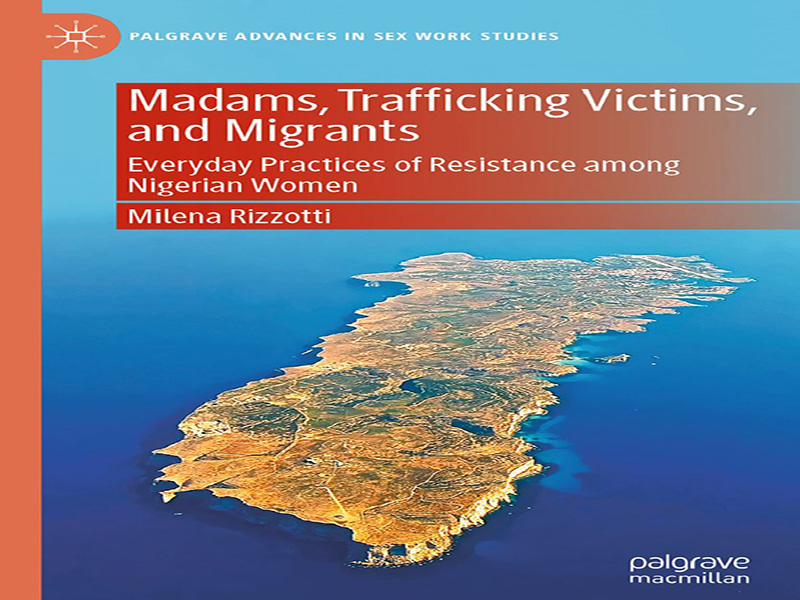
- عنوان کتاب: Madams, Trafficking Victims, and Migrants -Everyday Practices of Resistance among Nigerian Women
- نویسنده: Milena Rizzotti
- حوزه: سوء استفاده جنسی
- سال انتشار: 2026
- تعداد صفحه: 208
- زبان اصلی: انگلیسی
- نوع فایل: pdf
- حجم فایل: 2.41 مگابایت
من در یک بار محلی در حومه میلان نشستهام. هوا سنگین است، و شهر مثل هر آگوست، شرجی است. مثل بیشتر تابستان ۲۰۱۹، من روز را در یک سازمان مردمنهاد محلی میگذرانم که به قربانیان شناساییشده قاچاق، حمایت اجتماعی ارائه میدهد. در زمان استراحتش، الی، زنی نیجریهای حدوداً چهل ساله، موافقت کرد که با من قهوهای بنوشد و درباره کارش صحبت کند. او ۱۹ سال گذشته به عنوان میانجی بین فرهنگی در زمینه مبارزه با قاچاق انسان کار کرده بود. الی ۲۵ سال قبل از مصاحبه ما به ایتالیا آمد و وقتی یک افسر پلیس از او خواست آنچه را که یک زن نیجریهای دستگیر شده سعی داشت به انگلیسی پیجین توضیح دهد، ترجمه کند، کار خود را در زمینه مبارزه با قاچاق انسان آغاز کرد. آن زن بعداً به عنوان قربانی قاچاق انسان شناسایی شد و به مقامات کمک کرد تا چندین عضو یک شبکه برجسته قاچاق انسان نیجریهای را که در ایتالیا فعالیت میکردند، دستگیر کنند. این داستان مرزهای شکننده بین قربانی شدن و جرمانگاری را که تجربیات مهاجران غیرمجاز در ایتالیا را شکل میدهد، روشن میکند. این داستان نشان میدهد که چگونه زنان نیجریهای که در صنعت سکس کار میکنند، قبل از اینکه به عنوان قربانی قاچاق انسان شناسایی شوند، باید دستگیر شوند. این همچنین توضیح میدهد که چرا بیشتر داستانهایی که ما در مورد قاچاق میدانیم، در مواجهه بین مهاجران و مقامات جمعآوری شدهاند و اغلب به عنوان مدرکی برای اعمال وضعیت قربانیان قاچاق یا پناهنده عمل میکنند.1 بیشتر روایتهای شخصی مهاجرانی که به دنبال حمایت اجتماعی هستند، تجربیات، شخصیتها و داستانهای مشابهی از جابجایی و استثمار را نشان میدهند. روایت Astra2، یک زن نیجریهای که در تحقیق من به عنوان قربانی قاچاق شناسایی شد، نمایانگر داستانهای بسیاری از زنان نیجریهای دیگر است که کمکهای بشردوستانه دریافت میکنند. داستان Astra یکی از داستانهای استثمار و فریب توسط همسرش بود: «این زن هیچ کاری به من نگفت [قاچاقچی او به او نگفت که باید در صنعت سکس کار کند]، او مرا به ایتالیا آورد. زمانی که او به من گفت ما در ایتالیا هستیم…» به طور مشابه، اولو، یکی دیگر از شرکتکنندگان نیجریهای که به عنوان قربانی قاچاق حمایت میشد، به من گفت: اول، آنها به شما میگویند که به آنجا میروید، آنها شما را بزرگ میکنند، برای اینکه برای شما شغلی پیدا کنند، شاید مثلاً آن شخص کار دستی خود را داشته باشد، ما آن را کار دستی مینامیم. شاید آن شخص بتواند شش مو، نه ناخن، بتواند اینها را [به مهرههایش اشاره میکند] بگذارد، میفهمی؟ متأسفانه، وقتی به اینجا میرسی، به تو میگویند که در بازار بایستی تا پول گدایی کنی، یا به تو میگویند لباس بپوش و در یک خیابان بایستی، بنابراین آنها افراد متفاوتی هستند که میآیند و میدانند و با تو چه میکنند. بنابراین… اگر به اندازه کافی توجه کنی، به نظر میرسد که مهاجران همان سناریو را تکرار میکنند، سناریویی که بر عناصر اجبار و عدم انتخاب تأکید میکند و در عین حال خواستههای شخصی برای تحرک و امیدهای فردی برای زندگی بهتر در اروپا را به حداقل میرساند. همانطور که فیتزجرالد (۲۰۱۸) و هویل و همکاران (۲۰۱۱) پیش از این، در میان دیگر محققانی که در زمینه مبارزه با قاچاق انسان در اروپا تحقیق میکنند، دریافتهاند، اغلب متخصصان حقوقی بر ایده بسیار خاصی از قربانی بودن تکیه میکنند و فقط به مهاجرانی که با موفقیت هویت زنان سادهلوح را در خود جای میدهند، حمایت اجتماعی اعطا میکنند. در نتیجه، داستانهای افرادی که به عنوان قربانی قاچاق انسان شناخته میشوند، اغلب شبیه به یکدیگر هستند و درک همگنی از قاچاق انسان ایجاد میکنند که در آن، عاملیت و برنامههای مهاجران، جایی برای خشونت، فریب و بیرحمی قاچاقچیان باقی میگذارد. این سناریوهای یکسان، روایتی از قاچاق انسان ایجاد میکنند که دو بازیگر را در دو سر طیف نشان میدهد: در یک سر طیف، قربانیانی سادهلوح و بیگناه قرار دارند که مستحق حمایت دولتی هستند؛ در سر دیگر، کسانی هستند که سفرهای خطرناک را ترتیب میدهند و از استثمار در صنعت سکس سود میبرند – قاچاقچیانی که باید شناسایی و دستگیر شوند. در این زمینه، فضای کمی برای روایتهای جایگزین قاچاق انسان در نظر گرفته شده است که در عوض، در انحصار داستانهای قربانی بودن منفعل هستند. در این زمینه، این کتاب میکوشد گفتمانهای غالب مانوی قاچاق را واکاوی کند و با گنجاندن روایتهای قاچاقچیان در کنار روایتهای قربانیان شناساییشده، آنها را مورد بازنگری قرار دهد و از این طریق، محدودیتهای دانش فعلی قربانیمحور در مورد قاچاق انسان – و به همراه آن، رویههای خصمانه مرزی که این پدیده حفظ میکند – را آشکار سازد.
I am sitting in a local bar on the outskirts of Milan. The air is heavy, there is sultriness as every August in the city. As most of summer 2019, I am spending the day at a local NGO that provides social protection to identified victims of trafficking. In her break, Eli, a Nigerian woman around her forties, agreed to have a coffee with me and chat about her job. She had been working as a cross-cultural mediator for the last 19 years in the anti-trafficking context. Eli arrived in Italy 25 years before our interview and started working in the anti-trafficking field when asked by a police officer to translate what an arrested Nigerian woman was trying to explain in Pidgin English. That woman was later identified as a victim of trafficking and helped the authorities to arrest several members of a prominent Nigerian trafficking network operating in Italy. This story illuminates the fragile borders between victimisation and criminalisation that shape unauthorised migrants’ experiences in Italy. It shows how Nigerian women working in the sex industry have to be arrested before being identified as victims of trafficking. This also explains why most of the stories we know about trafficking are collected in the encounter between migrants and the authorities and often serve as evidence for the application of the status of victims of trafficking or refugee.1 Most of the personal narratives of migrants seeking social protection figure similar experiences, characters, and stories of mobility and exploitations. Astra2’s account, a Nigerian woman identified as a trafficking victim in my research, is representative of the stories of many other Nigerian women receiving humanitarian assistance. Astra’s story was one of exploitation and deceit by her madam: “the woman did not tell me any work [her trafficker did not tell her that she would have to work in the sex industry], she brought me to Italy. The time she told me we were in Italy….” Similarly, Olo, another Nigerian participant supported as a victim of trafficking, told me: First, they tell you are going there, they are going to make you big, to find you a job, maybe the person for example has its handwork, we call it handwork. Maybe the person can _ix hair, _ix nails, can put these [pointing at her beads] do you understand? Unfortunately, when you get here, they are telling you to stand in market to beg money, or they tell you to get dress and stand in one road, so they are different kind of people who come and know and do shit with you. So… If you pay enough attention, it looks like migrants are repeating the same script, one that emphasises elements of coercion and lack of choice while minimising personal desires of mobility and individual hopes for a better life in Europe. As Fitzgerald (2018) and Hoyle et al. (2011) have previously found, among other scholars researching the anti-trafficking _ield in Europe, often legal practitioners rely on a very specific idea of victimhood and grant social protection only to those migrants who successfully inhabit the identities of naı̈ve women. As a consequence, the stories of those subjects identified as trafficking victims often resemble each other and produce a homogenous understanding of trafficking where migrants’ agency and plans leave space to traffickers’ violence, deceit, and ruthlessness. These uniformised scripts produce a trafficking narrative that figures two actors located on the opposite ends of the continuum: at one end of the spectrum are victims who are naı̈ve and innocent, deserving of State protection; at the other end are those who organise dangerous travels and profit from exploitation in the sex industry—the traffickers, who should be detected and arrested. Within this context, little space is reserved to alternative trafficking narratives which, instead, are monopolised by stories of passive victimhood. Against this background, this book seeks to deconstruct dominant Manichean trafficking discourses and revise them by incorporating traffickers’ accounts alongside those of identified victims, thereby exposing the limitations of current victim-centred knowledge on trafficking—and, with it, the hostile bordering practices it sustains.
این کتاب را میتوانید از لینک زیر بصورت رایگان دانلود کنید:






















نظرات کاربران