












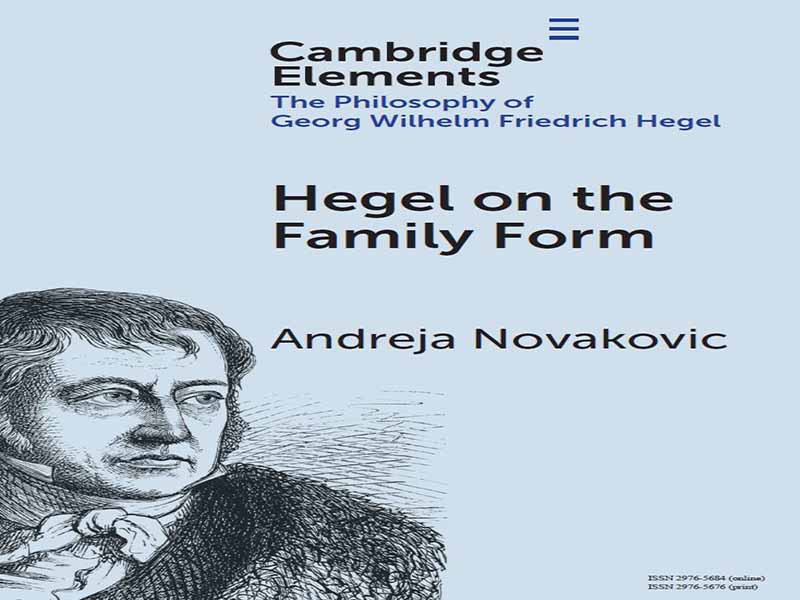
- عنوان کتاب: Hegel on the Family Form
- نویسنده: Andreja Novakovic
- حوزه: هگل
- سال انتشار: 2026
- تعداد صفحه: 70
- زبان اصلی: انگلیسی
- نوع فایل: pdf
- حجم فایل: 1.70 مگابایت
این بخش درباره مفهوم خانواده از دیدگاه هگل خواهد بود. قبل از اینکه به این موضوع بپردازم، چند کلمهای درباره خانواده امروز صحبت میکنم. خانواده نهادی بحثبرانگیز است. برای بسیاری، خانواده پناهگاهی ارزشمند و ضروری در زندگی بشر است. بسیاری نیز هستند که خانواده برایشان جای خالی زیادی دارد. خانواده اغلب به عنوان منبعی از نارضایتی توصیف شده است که میتواند رمانهای هزار صفحهای را پر کند؛ منبعی از عدم آزادی که افراد را در معرض کنترل خودسرانه قرار میدهد؛ منبعی از نابرابری به شکل مزایا و معایب ارثی. مخالفان نژادپرستی استدلال کردهاند که خانواده به عنوان ابزاری برای کنترل نژادپرستانه مورد استفاده قرار گرفته است و افراد رنگینپوست را مجبور به مطابقت با آرمانهای خانواده میکند و در عین حال روابط خویشاوندی آنها را ویران میکند. و فمینیستها از خانواده به دلیل تثبیت نقشهای جنسیتی و در واقع القای این نقشها به نسل بعدی انتقاد کردهاند، زیرا خانواده نه تنها زنان را مجبور میکند تا سهم عمدهای از کار خانگی را به دوش بکشند، بلکه به کودکانی که از نزدیک زندگی والدین خود را تماشا میکنند نیز میآموزد که این همان چیزی است که میتوانند از فرزندان خود انتظار داشته باشند. علاوه بر این، به نظر میرسد خانواده به عنوان شکلی از زندگی، جایگزین مناسبی ندارد، زیرا افرادی که از تشکیل خانواده خودداری میکنند، اغلب با انزوای اجتماعی و بیگانگی مواجه میشوند. اگرچه نوع مدرن آن از نظر تاریخی مشروط است، اما خانواده چنان ریشه دوانده است که تصور پایان جهان آسانتر از پایان خانواده شده است. انصافاً، خانواده یکپارچه نیست (یا دیگر نیست) زیرا اشکال مختلف زندگی خانوادگی گسترش یافته است. با ظهور ازدواج همجنسگرایان، خانواده دیگر یک نهاد منحصراً دگرجنسگرایانه نیست. همچنین گروههایی از مردم وجود دارند که خانوادههایی را بدون ازدواج، تکهمسری یا ارتباط با والدین خود تشکیل میدهند. برخی از خانوادهها شامل بزرگ کردن جوانان میشوند، برخی دیگر نه. همه اینها نشان میدهد که میتوان استدلال کرد که خانواده انعطافپذیر است و قادر به نوآوری و تنوع است. این موضوع سؤالاتی را در مورد اینکه دقیقاً چه چیزی یک خانواده را تشکیل میدهد و چه چیزی یک خانواده را از سایر اشکال ارتباط متمایز میکند، مطرح میکند. اما نشان میدهد که مفهوم خانواده، صرف نظر از اینکه خانوادهها در نهایت محدود میشوند، همچنان پابرجاست. حتی ممکن است فکر کنید که این انعطافپذیری به عمر طولانی خانواده کمک میکند. به گفته ورونیک مونوز-دارده، «خانواده به عنوان یک نهاد تغییرناپذیر به ما ضربه میزند زیرا دائماً در حال تغییر است… این بیثباتی درک اجتماعی از آنچه یک خانواده مناسب و روابط خانوادگی مناسب را تشکیل میدهد، است که امکان تداوم خانواده را فراهم کرده است.» با این اوصاف، ممکن است فکر کنیم که دلیلی برای تلاش برای تصور پایان خانواده وجود ندارد. شاید به جای جستجوی گزینههای دیگر، باید به اصلاح خانواده ادامه دهیم. با این اوصاف، علاقه جدیدی به سنتی به نام لغو خانواده ایجاد شده است که چهرههایی مانند چارلز فوریه، الکساندرا کولونتای و شولامیت فایرستون و امروزه سوفی لوئیس و ام. ای. اوبراین را در بر میگیرد. اگرچه آنها پیشنهادهای متفاوتی برای لغو خانواده دارند، اما در انتقاد از خود خانواده متحد هستند. ایدهی راهنمای این سنت این است که چیزی در مورد خانواده به عنوان یک شکل وجود دارد که آن را به رغم جهشهای زیادی که خانوادهها بدون شک متحمل میشوند، قابل اعتراض میکند. مهم نیست خانوادهها چقدر تغییر میکنند، ویژگیهایی از خانواده وجود دارد که ثابت میمانند، ویژگیهایی که به عنوان یک مفهوم به خانواده تعلق دارند. در اینجا میخواهم قبل از توضیح آنچه آنها را قابل اعتراض میکند، به دو مورد اشاره کنم. اولین ویژگی شکل خانواده این است که از خانواده انتظار میرود منبع اصلی مراقبت از اعضای خود باشد. این مراقبت هم عاطفی و هم مادی است: ما از اعضای خانواده خود انتظار داریم که وقتی مثلاً بیمار هستیم به ما کمک کنند، اما همچنین حس ارتباط و تعلق را نیز فراهم کنند. این در مورد بزرگسالان صادق است، اما به ویژه در مورد کودکانی که برای برآورده کردن تقریباً تمام نیازهای خود به خانوادههایشان وابسته هستند، صادق است. به دلیل اینکه خانوادهها مراقبت میکنند، بسیاری از مردم همچنان به آنها وابسته هستند، چه در عمل و چه در تئوری.
This Element will be about Hegel’s concept of the family. Before I turn to this topic, a few words about the family today. The family is a controversial institution. There are many for whom it represents an invaluable and indispensable sanctuary in human life. Then there are many for whom it leaves much to be desired. The family has often been described as a source of unhappiness that can fill thousand-page novels; of unfreedom that subjects individuals to arbitrary control; of inequality in the form of inherited advantages and disadvantages. Anti-racists have argued that the family has been used as a tool of racist control, forcing people of color to conform to a family ideal all the while ravaging their kinship relations. And feminists have criticized the family for entrenching gender roles and in effect inculcating these roles into the next generation, for not only does the family compel women to shoulder the lion’s share of domestic labor, it also teaches children who are closely watching their parents’ lives that this is what they can expect from their own. The family as a form of life moreover seems to be without viable alternative, for people who opt out of forming families often face social isolation and alienation. Even though its modern variant is historically contingent, the family has grown so deep-seated that it has become easier to imagine the end of the world than the end of the family. To be fair, the family is not (or no longer) monolithic, for there has been a proliferation of different forms of family life. With the advent of same-sex marriage, the family has ceased to be an exclusively heterosexual institution. There are also groups of people that found families without being married, monogamous, or related to those they parent. Some families involve the raising of young people, others do not. All of this suggests that there is a case to be made that the family proves to be plastic, capable of innovation and diversification. This raises questions about what exactly constitutes a family and what differentiates a family from other forms of association. But it does show that the concept of the family, however families are ultimately circumscribed, continues its hold. You might even think that this plasticity contributes to the long life that the family enjoys. In Véronique Munoz-Dardé’s words, “The family strikes us as an immutable institution because it changes constantly . . . it is the instability of social understanding of what constitutes a proper family, and proper family relations, which has allowed for the persistence of the family.” In this light, we might think that there is no reason to bother trying to imagine the end of the family. Maybe we should instead continue to reform the family, rather than look for other options. That said, there has been a newfound interest in a tradition known as family abolition, which spans across figures such as Charles Fourier, Alexandra Kollontai, and Shulamith Firestone and today Sophie Lewis and M. E. O’Brien. Although they have different proposals for abolishing the family, they are united in their criticism of the family as such. This tradition’s guiding idea is that there is something about the family as a form that makes it objectionable in spite of the many mutations that families are undeniably undergoing. No matter how much families change, there are features of the family that remain constant, features that belong to the family as a concept. Here I want to highlight two before explaining what makes them objectionable. The first feature of the family form is that the family is expected to be the primary source of care for its members. This care is both emotional and material: We expect our family members to help us when we are, say, sick, but also to supply a sense of connection and belonging. This is true for adults, but it is especially true for children, who depend on their families for the satisfaction of virtually all of their needs. It is because families provide care that many people continue to be attached to them, both in practice and in theory.
این کتاب را میتوانید بصورت رایگان از لینک زیر دانلود نمایید.
Download: Hegel on the Family Form























نظرات کاربران