












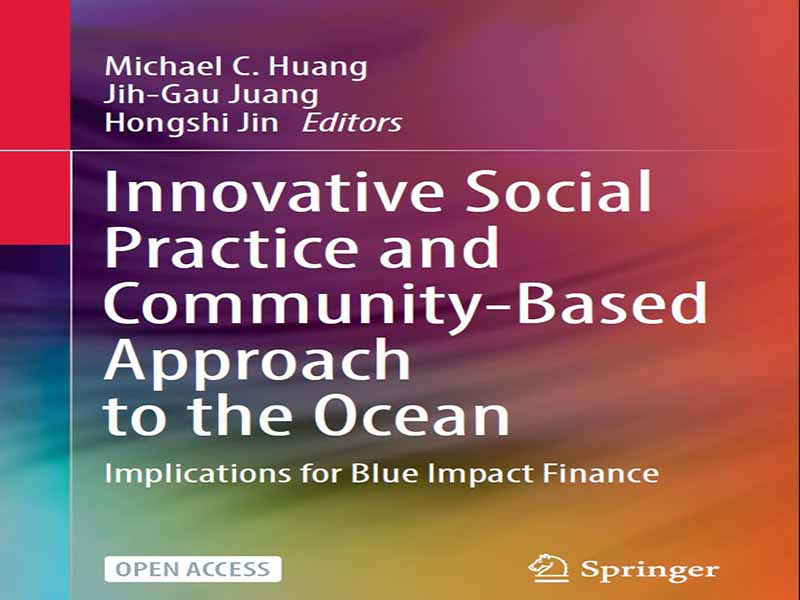
- عنوان کتاب: Innovative Social Practice and Community-Based Approach to the Ocean Implications for Blue Impact Finance
- نویسنده: Michael C. Huang, Jih-Gau Juang, Hongshi Jin
- حوزه: اقتصاد دریامحور
- سال انتشار: 2026
- تعداد صفحه: 259
- زبان اصلی: انگلیسی
- نوع فایل: pdf
- حجم فایل: 5.15 مگابایت
اقیانوسها بیش از دو سوم سطح سیاره ما را پوشاندهاند و از مجموعهای شگفتانگیز از حیات پشتیبانی میکنند و به عنوان منبع ضروری پروتئین برای جوامع در سراسر جهان عمل میکنند. آنها همچنین نقش محوری در تنظیم آب و هوای ما و چرخههای جهانی آب دارند. حفظ این عملکردها بسیار مهم است و یک اقتصاد مبتنی بر دریا که رشد مسئولانه زیستمحیطی را در خود جای داده باشد، برای تأمین منافع نسلهای فعلی و آینده بسیار مهم است. چنین رویکردی از تنوع زیستی و سازگاری اکوسیستم محافظت میکند و در عین حال راهحلهای پیشگام، از جمله فناوریهای پاک، انرژیهای تجدیدپذیر و جریانهای چرخشی مواد را تقویت میکند. با این حال، با گسترش صنایع اقیانوسی، شیوههای کنترل نشده، پایههای سلامت اقیانوس را تهدید میکنند – که منجر به پیامدهای زیستمحیطی، نظارتی و اعتباری میشود که مؤسسات مالی و سیاستگذاران را بر آن میدارد تا با دوراندیشی و پاسخگویی عمل کنند. اکنون بیش از هر زمان دیگری ارزیابی مجدد و افزایش ضرورت همکاریها و شرکتهای بینالمللی برای توسعه و فعالسازی پروژههای بینالمللی که به دستور کار فرامرزی بشر در حال حاضر میپردازند، مهم است. در پاسخ به این نگرانیها، یک ائتلاف جهانی تشکیل شده توسط سازمان ملل متحد، یک ساختار راهنما برای تأمین مالی شرکتهای مرتبط با اقیانوس معرفی کرده است که ریشه در اصول مالی اقتصاد آبی پایدار دارد. این نقشه راه، همسوسازی سرمایهگذاریها، تضمینها و وامها را با هدف توسعه پایدار ۱۴ سازمان ملل متحد – زندگی زیر آب – امکانپذیر میسازد. با متحد کردن دانشمندان، سیاستگذاران و رهبران صنعت، بخش مالی برای احیای رونق اقیانوسها، احیای تنوع زیستی دریایی و تقویت نظارت بر آبهای مشترک ما، جسارت پیدا میکند. با این وجود، حتی جامعترین طرح نیز نیازمند مشارکتهای گسترده و تعهد پایدار برای دستیابی به نتایج ملموس است. اجرای مؤثر آن به همکاری بین دولتها، بخش خصوصی، مؤسسات دانشگاهی و جوامع محلی متکی است. مراکز آموزش عالی، به ویژه، برای آموزش نسل بعدی قهرمانان اقیانوس و پر کردن شکاف بین دانش نظری و عمل در عمل ضروری هستند. هنگامی که این مؤسسات با اندیشکدهها و جنبشهای مردمی همکاری میکنند، میتوانند پیشرفتهای تحولآفرین را با اثری ماندگار تسریع کنند. این تلاش جمعی به ویژه در دورانی که با تغییرات اقلیمی، تغییرات جمعیتی و بلایای طبیعی مکرر تعریف میشود، ضروری است. زلزله و سونامی بزرگ شرق ژاپن در سال ۲۰۱۱، آسیبپذیری مناطق ساحلی را که اکنون با کاهش ذخایر ماهی و کاهش جمعیت نیز دست و پنجه نرم میکنند، برجسته کرد. از طریق تحقیق، کارآفرینی و حکومت تطبیقی، مؤسسات دانشگاهی که دست در دست بازیگران محلی کار میکنند، میتوانند این مناطق ساحلی شکننده را احیا کنند و ناملایمات را به فرصتهای نوآورانه تبدیل کنند. مزایای بالقوه اقتصاد آبی در مناطق آسیا و اقیانوسیه فراتر از حفاظت است. آنها همچنین درهایی را برای احیای گردشگری، به ویژه در کشورهای در حال توسعه جزیرهای کوچک (SIDS) باز میکنند. از طریق احترام فرهنگی و حفاظت از محیط زیست، گردشگری میتواند به نیرویی احیاکننده تبدیل شود که ضمن حفظ میراث جمعی جمعیتهای محلی، از منابع طبیعی نیز محافظت میکند. در طول بازدید از چندین سایت مطالعه موردی ارائه شده در این کتاب، عمیقاً از اشتیاق اعضای هیئت علمی و تأثیرات گسترده مشارکتهای اجتماعی آنها الهام گرفتم. این وحدت بینش دانشگاهی و اقدامات مردمی، نمونهای از استحکام مورد نیاز برای پرورش صنایع آبی جدید، مبتنی بر ارزشهای مشترک و رشد فراگیر است. اقیانوسها از نظر تاریخی از ویژگی خاصی در روابط بینالملل برخوردار بودهاند. اقیانوسها به عنوان داراییهای مشترک برای همه ملتها و همه مردم شناخته و مورد قدردانی قرار گرفتهاند. من اطمینان دارم که این نشریه، جرقهای از تفکرات تازه را در میان سیاستگذاران، محققان، کارآفرینان و شهروندان فعال ایجاد خواهد کرد. باشد که صفحات آن، تشکیل اتحادهای معنادار را تشویق کرده و ما را به سوی رابطهای پایدار و تجدید شده با اقیانوسهایمان هدایت کند. ما میتوانیم با هم، آیندهای را رقم بزنیم که در آن پیشرفت بشر و رفاه اقیانوسها به طور هماهنگ افزایش یابد – و تضمین کنیم که دریاها همچنان چراغ راه زندگی، نوآوری و امید برای نسلهای آینده باقی بمانند.
Oceans span more than two-thirds of our planet’s surface, supporting an astonishing array of life and serving as an indispensable source of protein for communities worldwide. They also play a pivotal part in regulating our climate and global water cycles. Preserving these functions is paramount, and a marine-based economy that integrates ecologically responsible growth is crucial to securing benefits for current and future generations. Such an approach protects biodiversity and ecosystem adaptability while spurring pioneering solutions, including clean technologies, renewable energy, and circular material flows. Yet, as ocean industries expand, unchecked practices threaten to erode the foundations of ocean health—leading to environmental, regulatory, and reputational consequences that urge financial institutions and policymakers to act with foresight and accountability. It is more important than ever before to reevaluate and push up the necessity of international collaborations and corporations to develop and activate international projects addressing the beyond-border agenda humankind is now facing. In response to these concerns, a UN-convened global coalition has introduced a guiding structure for financing ocean-related enterprises, rooted in the Sustainable Blue Economy Finance Principles. This roadmap enables alignment of investments, underwriting, and lending with the UN Sustainable Development Goal 14—Life Below Water. By uniting scientists, policymakers, and industry leaders, the financial sector is emboldened to revitalize ocean prosperity, restore marine biodiversity, and fortify stewardship of our shared waters. Nevertheless, even the most comprehensive blueprint demands broad partnerships and enduring commitment to achieve tangible results. Effective implementation relies on cooperation across governments, the private sector, academic institutions, and local communities. Centers of higher learning, in particular, are integral to training the next generation of ocean champions and bridging the gap between theoretical knowledge and on-the-ground practice. When these institutions collaborate with think tanks and grassroots movements, they can catalyze transformative breakthroughs with a lasting imprint. This collective endeavor is especially urgent in an era defined by climate upheaval, demographic shifts, and frequent natural disasters. The 2011 Great East Japan Earthquake and Tsunami highlighted the vulnerability of coastal regions, which now also wrestle with declining fish stocks and shrinking populations. Through research, entrepreneurship, and adaptive governance, academic institutions working hand in hand with local actors can reenergize these fragile coastal areas—turning adversity into innovative opportunities. The potential benefits of blue economy in Asia-Pacific regions extend beyond conservation. They also open doors for revitalizing tourism, particularly within Small Island Developing States (SIDS). Through cultural respect and environmental guardianship, tourism can become a regenerative force that safeguards natural resources while upholding the collective heritage of local populations. During visits to several case study sites presented in this book, I was profoundly inspired by faculty members’ passion and the far-reaching effects of their community engagements. This unity of academic insight and grassroots action exemplifies the robustness needed to foster novel blue industries, grounded in shared values and inclusive growth. Oceans have historically had a special character in international relations. Oceans have been recognized and appreciated as common assets for all nations and all people. I trust that this publication will spark fresh thinking among policymakers, researchers, entrepreneurs, and engaged citizens alike. May its pages encourage the formation of meaningful alliances and guide us toward a renewed, enduring relationship with our oceans. Together, we can champion a future where human advancement and ocean well-being rise in unison—ensuring that the seas remain a beacon of life, innovation, and hope for generations to come.
این کتاب را میتوانید از لینک زیر بصورت رایگان دانلود کنید:
























نظرات کاربران