












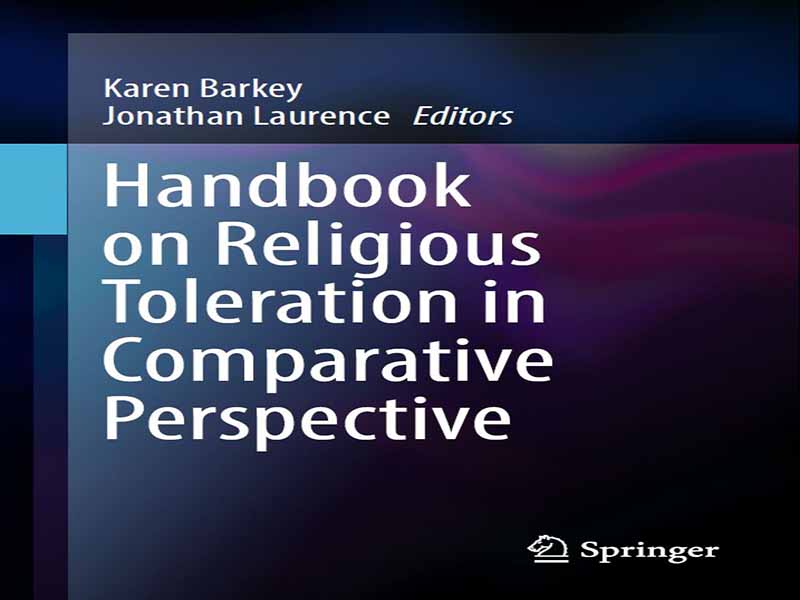
- عنوان کتاب: Handbook on Religious Toleration in Comparative Perspective
- نویسنده: Jonathan Laurence
- حوزه: تحمل مذهبی
- سال انتشار: 2026
- تعداد صفحه: 776
- زبان اصلی: انگلیسی
- نوع فایل: pdf
- حجم فایل: 6.17 مگابایت
این کتاب راهنما مدتهاست که در دست تهیه است و زمانی که بیشترین نیاز را به آن داریم، از راه میرسد. در این لحظه، جهان (دوباره) از دموکراتیزاسیون دور شده و به سمت اقتدارگرایی روی آورده است. در این مسیر، ملیگرایی مذهبی تهدید میکند که به پروژهها و رویههای تبعیضآمیز دامن بزند. بر ما به عنوان محققان و شهروندان است که منابع عظیم جوامعی را که در طول تاریخ اشکالی از تحمل دولتی و تحمل اجتماعی را به کار گرفتهاند، به یاد آوریم و بازسازی کنیم. در حالی که ما اغلب تصور میکنیم که جوامع و فرهنگهای گذشته در هویتهای خود بیشتر قبیلهای یا از ابتدا مذهبی بودهاند، این کتاب نشان میدهد که گذشته متنوعتر و پیچیدهتر است. در طول زمان و مکان، جوامع به طرق مختلف با تنوع برخورد کردهاند. اشکال سازش بر پاکسازی قومی یا مذهبی، نسلکشی و اخراج غلبه داشته است. در همین حال، در جهان معاصر، رهبران با تحقیر و نفرت از «دیگری» مذهبی، قومی یا ملی صحبت میکنند و ادعا میکنند که گذشته از دست رفته را بازیابی میکنند. آنها وعده شکوه میدهند و ترس را القا میکنند و مردم میلیونها نفر از آنها پیروی میکنند. اما آنها تاریخ را نادرست جلوه میدهند و فرصت کاوش در سناریوهای غنی همزیستی که در سراسر جهان در طول قرنها و قارهها آشکار شدهاند را از دست میدهند. همزیستی مذهبی در جهان معاصر پر از تنش شده است. جوامع ما در عین حال که به طور جداییناپذیری درهم تنیده شدهاند، محل نبردهای شدید بین دیدگاههای ریشهدار نیز هستند. سیاست مولد یک میانهروی وسیع، که خانه فرهنگ برابری، همکاری متقابل و احترام متقابل است، به سرعت در حال فرسایش است. نه لحظه معاصر و نه گذشته تسکین کافی نمیدهند. دانشآموزان اغلب تنها از طریق منشور رنج اجداد خود با گذشته روبرو میشوند. در نتیجه، آنها به زمان حال به عنوان زخمی و تقسیمشده در میان خود نزدیک میشوند و ترس یا بیگانگی یک دیدگاه جمعی را بازتولید میکنند. با این حال، گذشته بسیار گستردهتر و پیچیدهتر از هر مجموعه خاطراتی است. چندصدایی است و روایتهای متنوعی را ارائه میدهد و ما این گذشته پیچیده و متنوع را با مسئولیت خودمان نادیده میگیریم. «کتابچه راهنمای تطبیقی در باب تساهل مذهبی»، معاصر و گذشته را به گفتگو میکشاند و شکافهای زمانی و جغرافیایی بین آنچه تمدن غرب نامیده میشود و بقیه جهان را که اغلب در تضاد تلخی قرار دارند، از بین میبرد. تحلیلهای تطبیقی متفکرانه و جهتدار موجود در این صفحات، مرهمی بر این سردرگمی و راههایی برای خروج از این هزارتو ارائه میدهد. این پروژه نتیجه مجموعهای از همکاریهای پربار با دو محرک اصلی است. یکی از انگیزهها در دانشگاه کلمبیا آغاز شد، زمانی که آلفرد استپان گروهی از اعضای هیئت علمی را برای همکاری در یک جلد گسترده که به موارد تساهل مذهبی در سراسر جهان میپردازد، ترغیب کرد. ما به همراه استپان، کارن بارکی، اکیل بیلگرامی، سلیمان باچیر دیان، ایرا کاتزنلسون، سودیپتا کاویراج و نادیا اوربیناتی، یک گروه کاری تشکیل دادیم تا حوزههای پژوهشی را مشخص کنیم و مطالب کوتاهی بنویسیم. این پروژه آغاز شد اما هرگز به طور کامل اجرا نشد. ملیسا ون، کارلو اینورنیزی آکتی و ساندیپتو داسگوپتا ساعتهای زیادی را صرف هماهنگی و آمادهسازی منابعی کردند که قرار بود برای انتشار استفاده کنیم. کاری که این گروه و دستیارانشان انجام دادند، بخشی از پایه و اساس این پروژه باقی ماند. پس از درگذشت آلفرد استپان، درخواست او برای اتمام این پروژه، ذهن ما را به شدت مشغول کرده بود. دومین انگیزه برای نوشتن این کتاب راهنما، از یک شبکه فکری ریشه گرفته از ایتالیا – گفتگوهای بازتنظیم – ناشی میشود که پروژه «واژگان بین فرهنگی» آنها کاملاً با پروژه ما در مورد تساهل مذهبی تلاقی داشت. وقتی بارکی به دانشگاه برکلی نقل مکان کرد، به جیانکارلو بوزتی و جاناتان لارنس از «گفتگوهای بازتنظیم» مراجعه کرد تا کنفرانسی مشترک را آماده کنند که به عنوان تکرار مجدد پروژه در مورد تساهل عمل کند. «واژگان بین فرهنگی» به طور منظم آثاری را منتشر کرده است که درک تطبیقی از اصطلاحات کلیدی را بررسی میکنند: کتابی در مورد «سکولاریسم» با پیشگفتاری از مایکل والزر (اشپرینگر ۲۰۲۳) و دو فیلم مستند در مورد «آشتی». «تحمل» سومین کلمه کلیدی است که در واژهنامه بین فرهنگی به آن پرداخته شده است. با کمک «گفتگوهای بازنشانی»، «مرکز مطالعات دین برکلی» و «مؤسسه هاس برای جامعهای عادلانه و فراگیر» (که اکنون «مؤسسه دیگریسازی و تعلق» نام دارد)، یک کارگاه آنلاین چند روزه در ژانویه ۲۰۲۰ برگزار شد. دنیس لاکورن با کمال میل پذیرفت که سخنران اصلی این رویداد باشد و تقریباً همه شرکتکنندگان کارگاه مقالاتی ارائه دادند که به فصلهایی در کتاب راهنما تبدیل شدند. این کارگاه لزوم گسترش درک متعارف ما از این حوزه را نشان داد. این به معنای فراتر رفتن از دیدگاه محدود غرب به عنوان کشوری منحصراً متساهل با افزودن بقیه جهان به تحلیل ما بوده است. هدف اصلی ما در اینجا ترویج کار تطبیقی تاریخی بوده است که میتواند به طور قطعی تحمل را از لیبرالیسم، که استعاره رایج منتقدان پست مدرن بوده است، جدا کند. این کارگاه شرکتکنندگان را تحریک کرد و هیجان به بیرون فوران کرد.
This Handbook has been long in the making, and it arrives when we need it most. At this moment, the world is turning (again) away from democratization and toward authoritarianism. As it does so, religious nationalism threatens to feed into discriminatory projects and practices. It is incumbent upon us as scholars and citizens to recall and reconstruct the vast resources from societies worldwide throughout history that have practiced forms of state toleration and social tolerance. While we often imagine past societies and cultures to have been more tribally or primordially religious in their identities, this volume shows that the past is more varied and complex. Across time and place, societies have handled diversity in different ways. Forms of accommodation prevailed over ethnic or religious cleansing, genocide, and expulsion. Meanwhile, in the contemporary world, leaders speak of the religious, ethnic, or national “other” with disdain and hatred, claiming to restore a lost past. They promise glory and instill fear, and people follow them by the millions. But they misrepresent history and miss the opportunity to mine the rich scenarios of cohabitation that have unfolded around the world across centuries and continents. Religious coexistence has become fraught in the contemporary world. Our societies are at once inextricably entangled, yet also the site of severe battles between entrenched views. The generative politics of a capacious middle, home to a culture of community values equality, reciprocal cooperation, and mutual respect, is fast eroding. Neither the contemporary moment nor the past provides enough relief. Students often encounter the past solely through the prism of their ancestors’ suffering. As a result, they approach the present as wounded and divided among themselves, reproducing the fear or alienation of a communal perspective. Yet, the past is much vaster and more complicated than any one set of memories. It is multivocal and offers a variety of narratives, and we ignore this complex and diversified past at our own peril. The Comparative Handbook on Religious Toleration brings the contemporary and the past into conversation, closing the temporal and geographic gaps between what has been called Western civilization and the rest of the world, which are too often pitted into bitter conflict. The thoughtful and directed comparative analyses contained in these pages offer a salve and some ways out of the labyrinth. The project is the outcome of a set of fruitful collaborations, with two primary drivers. One impetus began at Columbia University, when Alfred Stepan energized a group of faculty members to work together on an expansive volume treating cases of religious toleration worldwide. Together with Stepan, Karen Barkey, Akeel Bilgrami, Souleymane Bachir Diagne, Ira Katznelson, Sudipta Kaviraj, and Nadia Urbinati, we formed a working group to delineate regions of scholarship and write short entries. The project started but was never fully implemented. Melissa Van, Carlo Invernizzi Accetti, and Sandipto Dasgupta spent many hours coordinating and preparing the sources we would use for publication. The work that the group and the assistants produced remained part of the foundation of this project. After Alfred Stepan’s passing, his request to finish this project weighed heavily on our minds. The second motivating impulse for this Handbook comes from an intellectual network originating in Italy—Reset Dialogues—whose Intercultural Lexicon project intersected perfectly with our project on religious toleration. When Barkey moved to UC Berkeley, she approached Giancarlo Bosetti and Jonathan Laurence of Reset Dialogues, to prepare a joint conference that would serve as the renewed iteration of the project on Toleration. The Intercultural Lexicon has regularly published works examining comparative understandings of key terms: a volume on “secularism” with a foreword by Michael Walzer (Springer 2023) and two documentary films on “reconciliation.” “Toleration” is the third keyword to be given the Intercultural Lexicon treatment. With the help of Reset Dialogues, the Berkeley Center for the Study of Religion, and the Haas Institute for a Fair and Inclusive Society (now The Institute for Othering and Belonging), an online, multi-day workshop was organized in January 2020. Denis Lacorne graciously accepted to be the keynote speaker at the event, and nearly all workshop participants contributed essays that became chapters in the Handbook. The workshop demonstrated the need to expand our canonical understanding of this field. This has meant transcending a restricted vision of the West as uniquely tolerant by adding the rest of the world to our analysis. Our key aim here has been to promote historical comparative work that could definitively separate out toleration from liberalism, which has been a common trope of post-modern critics. The workshop stimulated participants and the excitement bubbled outward into our professional networks. Subsequent conversations across the group convinced Barkey and Laurence to expand and enhance the project with a greater number of cases, tripling the original number of contributors. Our shared assignment was to choose the key documents and practices in the cases we know best, to examine how toleration has been enacted and justified across time and space. The Handbook’s authors chose their own formatting, with some preferring to embed documents into their text and organize their analyses, while others provided an appendix. Some authors supplemented their text with illustrations. Despite this variation, the Handbook offers a rich display of arguments, materials, and sources for students, experts, and scholars to engage with, including an index of the key primary sources cited within. The result is the Comparative Handbook of Religious Toleration.
این کتاب را میتوانید از لینک زیر بصورت رایگان دانلود کنید:
Download: Handbook on Religious Toleration in Comparative Perspective






















نظرات کاربران