












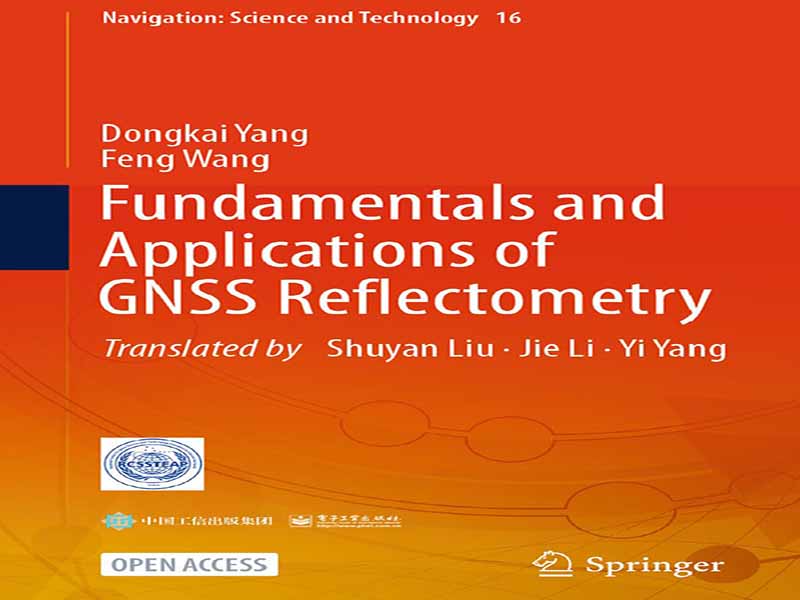
- عنوان کتاب: Fundamentals and Applications of GNSS Reflectometry
- نویسنده: Dongkai Yang, Feng Wang
- حوزه: ماهواره
- سال انتشار: 2026
- تعداد صفحه: 363
- زبان اصلی: انگلیسی
- نوع فایل: pdf
- حجم فایل: 13.8 مگابایت
توسعه چندین سیستم ماهوارهای ناوبری جهانی (GNSS) با ادغام عمیق خدمات مکانی-زمانی خود در تمام جنبههای زندگی بشر، پیشرفت جامعه اطلاعاتی را به میزان قابل توجهی افزایش داده و عصر جدیدی از استفاده کارآمد و دقیق انسان از اطلاعات زمانی و مکانی را آغاز کرده است. سیستم BeiDou، یک سیستم ماهوارهای ناوبری جهانی (GNSS)، که به طور مستقل توسط چین توسعه داده شده است، نزدیک به 30 سال توسعه را پشت سر گذاشته و از آغاز تا به امروز مسیری را طی کرده و به دستاوردهای جهانی شناخته شدهای دست یافته است. این سیستم به یکی از پایههای زیرساخت فضایی استراتژیک کشور تبدیل شده است. این سیستم نقش بسیار مهمی در زمینههای حمل و نقل هوشمند، رانندگی بدون سرنشین، شهر هوشمند و نظارت بر بلایا ایفا میکند. با بهبود مستمر زنجیره صنعت BeiDou، تقویت زمینههای کاربردی جدید و تعمیق ادغام با سایر رشتهها، سیستم کاربردی BeiDou را غنیتر کرده و بومشناسی کاربردی BeiDou را شکوفا میکند. ناوبری و سنجش از دور دو وسیله برای دستیابی به اطلاعات مکانی هستند. اولی به مسئله موقعیتیابی پیوسته زمانی و مکانی میپردازد، در حالی که دومی مشکلات اندازهگیری خواص فیزیکی در فضا را حل میکند. فناوری سنجش از دور، پارامترهای فیزیکی اهداف را با استفاده از سیگنالهای الکترومغناطیسی تابششده، شکستهشده یا پراکندهشده توسط آنها، معکوس میکند و سیگنالهای الکترومغناطیسی ساطعشده طبیعی از ماهوارههای ناوبری را به منابع ذاتی سنجش از دور تبدیل میکند. بازتابسنجی GNSS (GNSS-R) نمونهای بارز از کاربرد سیگنالهای GNSS بازتابشده است که در 30 سال گذشته به یک کانون تحقیقاتی جهانی تبدیل شده است. بر اساس ویژگیهای صورت فلکی سیستم جهانی ناوبری ماهوارهای و ویژگیهای پیکربندی دوقطبی یا چندقطبی فرستنده-گیرندههای جداگانه، فناوری GNSS-R با مزایای منابع تابش چندگانه و مصرف کم انرژی تجهیزات، در اقیانوسشناسی، هواشناسی و سنجش از دور کشاورزی به کار گرفته شده است و به نتایج خوبی مانند پایش باد و موج دریا و رطوبت خاک دست یافته است. پروفسور یانگ دونگکای از دانشگاه بیهانگ از سال 2003 مشغول تحقیق در مورد روشهای نظری کاربرد سیگنال GNSS بازتابشده بوده است. آنها با رهبری تیم خود در تحقیق در مورد مکانیسمهای فیزیکی، ساخت مدل ریاضی، توسعه نرمافزار و سختافزار گیرنده، تأیید آزمایش میدانی و ارتقای کاربرد، کارهای قابل توجهی انجام دادهاند. او با حمایت صندوق ملی انتشارات آثار آکادمیک علوم و فناوری، کتابی با عنوان «پردازش سیگنال GNSS Re_lection: مبانی و کاربردها» را در سال ۲۰۱۲ منتشر کرد، که اولین مونوگرافی بود که به طور سیستماتیک پردازش و کاربرد سیگنال GNSS-R را در چین مورد بحث قرار میداد و نقش مهمی در ترویج توسعه این فناوری ایفا کرد. پس از بیش از یک دهه توسعه، این تیم همچنان به کاوش عمیق در زمینه فناوری GNSS-R ادامه میدهد و به مجموعهای از نتایج جدید در روشهای پردازش سیگنال، طراحی گیرنده و کاربردهای وارونگی دست یافته است. این کتاب خلاصه و چکیدهای از کار آنها در دهههای گذشته است. ویرایش دوم «پردازش سیگنال GNSS بازتابی: مبانی و کاربردهای بازتابسنجی GNSS» نه تنها محتوای ویرایش اول را سازماندهی مجدد میکند، بلکه شامل دستاوردهای تحقیقاتی اخیر تیم نیز میشود و به محتوای جدیدی گسترش مییابد تا درک جامعتر و سیستماتیکتری از فناوری GNSS-R را در اختیار خوانندگان قرار دهد. فناوریها و نتایج پوشش داده شده در این کتاب برای ترویج کاربرد سنجش از دور GNSS و رونق بومشناسی کاربرد سیستم BeiDou چین از اهمیت بالایی برخوردار است. من سالهاست که پروفسور یانگ دونگکای را میشناسم و کاملاً از سختیهای تحقیق مداوم در یک زمینه، هر روز به مدت یک دهه، آگاه هستم. من این مقدمه را برای کتاب ایشان مینویسم و صمیمانه انتشار این کتاب را تبریک میگویم. من معتقدم که این کتاب مرجعی سیستماتیک برای معلمان، دانشجویان و محققانی که در زمینه فناوری GNSS و سنجش از دور و همچنین ادغام بین رشتهای آنها فعالیت میکنند، فراهم خواهد کرد. همچنین امید است که خوانندگان بیشتری از طریق خواندن این کتاب، تحقیقات فناوری GNSS-R را درک کنند، دوست داشته باشند و در آن مشارکت کنند و در مجموع، توسعه شکوفای سیستم ناوبری ماهوارهای BeiDou چین (BDS) را ارتقا دهند.
The development of multiple global navigation satellite systems (GNSS) has greatly propelled the advancement of the information society, with its spatiotemporal services deeply integrated into all aspects of human life, ushering in a new era of human beings’ efficient and precise utilization of time and space information. The BeiDou system, a global navigation satellite system (GNSS), independently developed by China, has undergone nearly 30 years of development, experiencing a journey from inception to strength, and achieving globally recognized accomplishments. It has become one of the country’s strategic spatial infrastructure foundations. It plays an extremely important role in the fields of intelligent transportation, unmanned driving, smart city, and disaster monitoring. With the continuous improvement of BeiDou industry chain, fostering new application fields and deepening integration with other disciplines will further enrich the application system of BeiDou and flourish the application ecology of BeiDou. Navigation and remote sensing are two means of acquiring spatial information; the former addresses the issue of continuous time and space positioning, while the latter solves measurement problems of physical properties in space. Remote sensing technology inverts physical parameters of targets using electromagnetic signals radiated, refracted, or scattered by them, making the naturally emitted electromagnetic signals from navigation satellites inherent remote sensing resources. GNSS Reflectometry (GNSS-R) is a typical representative of the application of Reflected GNSS Signals, becoming a global research hotspot in the last 30 years. Based on the constellation characteristics of the Global Navigation Satellite System and the bistatic or multi-static configuration features of separate transceivers, GNSS-R technology, with its advantages of multiple radiation sources and low power consumption of equipment, has been applied in oceanography, meteorology, and agricultural remote sensing, and has achieved good results, such as sea wind and wave and soil moisture monitoring. Professor Yang Dongkai of Beihang University has been researching the theoretical methods of Reflected GNSS Signal application since 2003. Leading his team in the research on physical mechanisms, mathematical model construction, receiver software and hardware development, field experiment verification, and application promotion, they have accomplished significant work. With the support of the National Science and Technology Academic Works Publication Fund, he published a book titled GNSS Re_lection Signal Processing: The Fundamentals and Applications in 2012, the first monograph systematically discussing the GNSS-R signal processing and application in China, and played an important role in promoting the development of this technology. After more than a decade of development, the team continues to delve deeply in the field of GNSS-R technology, achieving a series of new results in signal processing methods, receiver design, and inversion applications. This book is a summary and compendium of their work over the past decades. The second edition of Reflected GNSS Signal Processing: Fundamentals and Applications of GNSS Reflectometry not only reorganizes the content of the first edition but also includes the team’s recent research achievements, expanding into new content to provide readers with a more comprehensive and systematic understanding of GNSS-R technology. The technologies and results covered in the book are of great significance to promote the remote sensing application of GNSS and to prosper the application ecology of China’s BeiDou system. I have known Prof. Yang Dongkai for many years, and I am fully aware of the hardships of persistent research in one field day after day for a decade. I am writing this Preface for his book and sincerely congratulate the publication of this book. I believe the publication will provide a systematic reference for teachers, students, and researchers engaged in GNSS and remote sensing technology, as well as their interdisciplinary integration. It is also hoped that more readers will come to understand, love, and engage in GNSS-R technology research through reading this book, collectively promoting the flourishing development of China’s BeiDou Navigation Satellite System (BDS).
این کتاب را میتوانید از لینک زیر بصورت رایگان دانلود کنید:
Download: Fundamentals and Applications of GNSS Reflectometry
























نظرات کاربران