











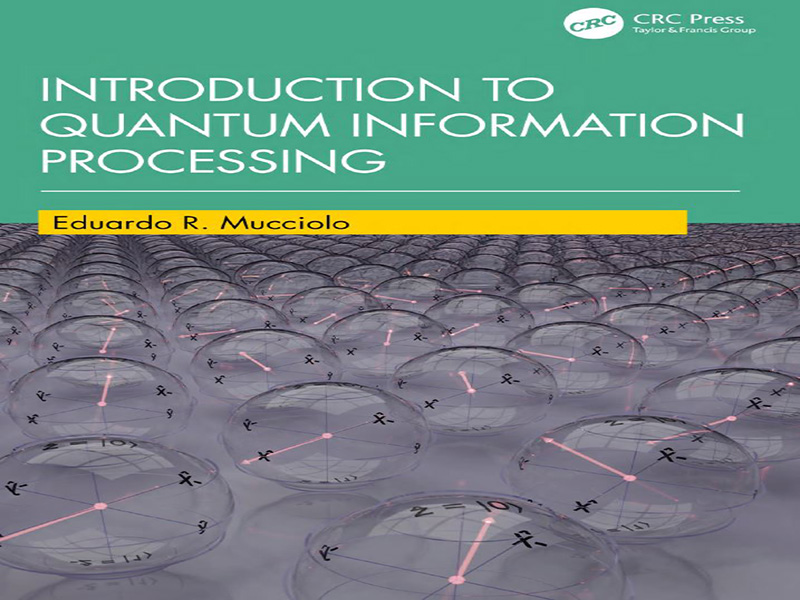
- عنوان کتاب: Introduction to Quantum Information Processing
- نویسنده: Eduardo R. Mucciolo
- حوزه: پردازش کوانتومی
- سال انتشار: 2026
- تعداد صفحه: 255
- زبان اصلی: انگلیسی
- نوع فایل: pdf
- حجم فایل: 1.92 مگابایت
این کتاب از یادداشتهای درسی تهیه شده برای درس پردازش اطلاعات کوانتومی در سطح سال سوم، که از سال 2022 به طور منظم به دانشجویان رشتههای علوم کامپیوتر، ریاضیات، علوم فیزیکی و مهندسی در دانشگاه فلوریدای مرکزی ارائه شده است، برگرفته شده است. هدف این درس معرفی مفاهیم، ایدهها و روشهای پایه در اطلاعات کوانتومی به دانشجویان کارشناسی است که هیچ آشنایی قبلی با مکانیک کوانتومی ندارند. بنابراین پیشنیازهای این درس نسبتاً حداقلی هستند: فیزیک I و II (مکانیک مبتنی بر حساب دیفرانسیل و انتگرال، الکتریسیته، مغناطیس و اپتیک) و حساب دیفرانسیل و انتگرال با هندسه تحلیلی I، II و III (مشتقات، انتگرالها، میدانهای برداری، انتگرالهای خطی و چندگانه، معادلات دیفرانسیل معمولی ساده و ماتریسها) یا ماتریس و جبر خطی. در UCF، گذراندن این دروس نشان دهنده انتقال از سال دوم به سال سوم است. این درس اغلب توسط دانشجویان سال آخر نیز گذرانده میشود. ما در این کتاب از همان رویکرد آن درس پیروی میکنیم و فرض میکنیم خواننده چیزی بیش از فیزیک و ریاضیات پایه در سطح سال سوم نمیداند. این کتاب تلاش میکند تا حد امکان جامع باشد و با شرح مختصری از تحولات تاریخی و مفهومی که منجر به مکانیک کوانتومی شده است، از تابش جسم سیاه پلانک تا تفسیر کپنهاگ، آغاز میشود. سپس فضاهای برداری و عملگرهایی را با استفاده از نمادگذاری دیراک معرفی میکند تا خواننده را با فرمولبندی ریاضی مورد استفاده در مکانیک کوانتومی آشنا کند. آخرین مرحله اساسی، فصلی با ارائه رسمی از اصول مکانیک کوانتومی است. فصلهای ۵ تا ۹ عناصر کلیدی اطلاعات کوانتومی را با سطح پیچیدگی فزاینده پوشش میدهند. پس از معرفی کیوبیتها، گیتها و مدارها، نمایش کره بلوخ و سایر مفاهیم و ابزارهای اساسی، کتاب به نتایج کلیدی مانند قضیه عدم کلونینگ، تلهپورت و الگوریتمهای کوانتومی، از موارد سادهای مانند دویچ گرفته تا موارد پیچیدهتری مانند شور و گروور، میپردازد. این مطالب بخش عمدهای از دوره را تشکیل میدهند و فصلهای باقیمانده در کتاب همیشه پوشش داده نمیشوند. انتخاب فصلهایی که باید پوشش داده شوند به گروه خاص دانشجویان بستگی دارد. برای مثال، وقتی اکثر دانشجویان کلاس از رشتههای علوم کامپیوتر و مهندسی هستند، میتوان فصلهای ۱۰، ۱۴ و ۱۵ را حذف کرد. وقتی اکثر دانشجویان از رشتههای فیزیک و اپتیک و فوتونیک هستند، میتوان فصل ۱۱ را حذف کرد و فصل ۱۵ را با مقالات ترمی تعیینشده جایگزین کرد که نیاز به توصیف دقیقتری از تحققهای فیزیکی مختلف کیوبیتها دارند. همچنین میتوان بخشهای خاصی را در برخی از فصلها بدون به خطر انداختن درک کلی، حذف کرد. این کتاب به گونهای سازماندهی شده است که مدرسانی که آن را در دورههای خود به کار میبرند، میتوانند آزادانه بر اساس پیشینه و علایق دانشجویان خود، مواردی را که باید پوشش داده شوند، انتخاب کنند. طبق تجربه خود نویسنده، پوشش دادن همه بخشهای همه فصلها در یک دوره ۱۵ هفتهای در واقع بسیار دشوار است. همه فصلها به جز ۱۲، ۱۴ و ۱۵ شامل تمرینهایی برای کمک به دانشجویان در تمرین بهکارگیری مفاهیم و روشها هستند. این تمرینها به عنوان تکلیف تعیین شده یا در امتحانات میانترم و پایانترم گذشته ارائه شدهاند. راهحلها فقط بنا به درخواست در اختیار مدرسان قرار میگیرند. در چندین بخش از دوره، از Qiskit، یک کتابخانه پایتون برای شبیهسازی و برنامهنویسی کامپیوترهای کوانتومی، برای تمرین با گیتهای کوانتومی، مدارهای کوانتومی و نمایش گرافیکی کرههای بلاخ، مدارها، حالتهای کوانتومی و نتایج اندازهگیری استفاده میشود. این کتاب این فعالیتها را شرح میدهد؛ کدهای الگو نیز بنا به درخواست در دسترس هستند. پایتون زبانی چنان در دسترس است که حتی دانشآموزانی که آشنایی بسیار کمی با کدنویسی دارند، توانستهاند از الگوها استفاده کرده و فعالیتها را تکمیل کنند. برای راحتی، ضمیمهای که نحوه نصب و استفاده از Qiskit را توضیح میدهد، گنجانده شده است، اما خواننده باید توجه داشته باشد که این بسته دائماً در حال بهروزرسانی است، بنابراین مستندات رسمی آنلاین باید همیشه ابتدا بررسی شود. ضمائمی نیز برای کمک به دانشآموزان در برخی از مفاهیم جبر خطی و روشهای ریاضی که در متن اصلی به کار رفته یا برای حل تمرینها مورد نیاز هستند، گنجانده شده است. ضمیمهای در مورد اصول اولیه نظریه پیچیدگی محاسباتی نیز ارائه شده است. این کتاب سعی ندارد رسالهای جامع در مورد پردازش اطلاعات کوانتومی باشد، که اکنون موضوعی گسترده و در عین حال به سرعت در حال تکامل است. همانند درسی که الهامبخش آن بوده است، هدف این کتاب ارائه اطلاعات کافی برای آمادهسازی دانشجویان کارشناسی برای دورههای تخصصیتر و سطح بالاتر و همچنین برای فرصتهای تحقیقاتی و شغلی است که نیاز به دانش پایه در مورد موضوع دارند. تمرکز اصلی بر محاسبات کوانتومی است زیرا مطالب بنیادی را برای ارتباطات کوانتومی و حسگری کوانتومی پوشش میدهد. بنابراین، دو حوزه اخیر پردازش اطلاعات کوانتومی در این ویرایش اول به طور پراکنده مورد بررسی قرار گرفتهاند و امیدواریم در آینده بهبود یابند.
This book grew from lecture notes developed for the junior-level course Quantum Information Processing, which has been offered regularly to computer science, mathematics, physical sciences, and engineering ma- jors at the University of Central Florida since 2022. The course aims to introduce basis concepts, ideas, and methods in quantum information to undergraduates who had no previous exposition to quantum mechanics. Thus the prerequisites for the course are rather minimal: Physics I and II (calculus-based mechanics, electricity, magnetism, and optics), and Cal- culus with Analytic Geometry I, II, and III (derivatives, integrals, vectors fields, line and multiple integrals, simple ordinary differential equations, and matrices) or Matrix and Linear Algebra. At UCF, completing these courses marks the transition from sophomore to junior standing. The course is often taken by seniors as well. We follow the same approach of that course in this book and assume the reader knows no more than fundamental physics and mathematics at the junior level. The book attempts to be as self-contained as possi- ble and starts with a concise description of the historic and conceptual developments that led to quantum mechanics, from Planck’s black-body radiation to the Copenhagen interpretation. It then introduces vector spaces and operators utilizing Dirac’s notation to familiarize the reader with the mathematical formulation used in quantum mechanics. The last foundational step is a chapter with a formal presentation of quan- tum mechanics postulates. Chapters 5 to 9 cover key elements of quantum information with increasing level of complexity. After introducing qubits, gates and cir- cuits, Bloch sphere representation, and other basic concepts and tools, the book moves on to key results such as the non-cloning theorem, tele- portation, and quantum algorithms, from simple ones such as Deutsch’s to more complicated ones such as Shor’s and Grover’s. Those materials are the bulk of the course and the remaining chap- ters in the book are not always covered. The choice of which chapters to cover depends on the particular student cohort. For instance, when the majority of the students in the class is from computer science and en- gineering majors, chapters 10, 14, and 15 may be skipped. When the majority is from physics and optics & photonics, chapter 11 can be skipped and chapter 15 replaced by assigned term papers requiring a more detailed description of various physical realizations of qubits. It is also possible to skip certain sections in some chapters without compro- mising overall understanding. The book is organized in such a way that instructors adopting it in their courses may freely pick and choose what to cover according to the background and interests of their students. In the author’s own experience, it is actually quite difficult to cover all sections of all chapters in a 15-week term. All chapters but 12, 14, and 15 contain exercises to help students practice applying concepts and methods. These exercises were assigned as homework or featured in past mid-term and final exams. Solutions are provided only to instructors upon request. At several points in the course, Qiskit, a python library for simulat- ing and programming quantum computers, is used for practicing with quantum gates, quantum circuits, and for the graphical representation of Bloch spheres, circuits, quantum states and measurement outcomes. The book describes these activities; template codes are also available upon request. Python is such an accessible language that even students with very little familiarity with coding have been able to use the templates and complete the activities. An appendix explaining how to install and use Qiskit is included for convenience, but the reader should be aware that this package is constantly being updated, so the official online doc- umentation should be always checked first. Appendices are also included to help students with some linear alge- bra concepts and mathematical methods that are employed in the main text or are required for solving exercises. An appendix on the basics of computational complexity theory is also provided. This book does not attempt to be a comprehensive treatise of quan- tum information processing, which is now a vast and yet still rapidly evolving subject. Like in the course that inspired it, the goal of this book is to provide just enough information to prepare undergraduates for more specialized, higher-level courses, and for research and employment opportunities that require basic knowledge of the subject. The focus is primarily on quantum computation because it covers foundational mate- rial for both quantum communications and quantum sensing. Therefore, the latter two areas of quantum information processing are only sparsely touched in this first edition and will hopefully be enhanced in the future.
این کتاب را میتوانید از لینک زیر بصورت رایگان دانلود کنید:






















نظرات کاربران