












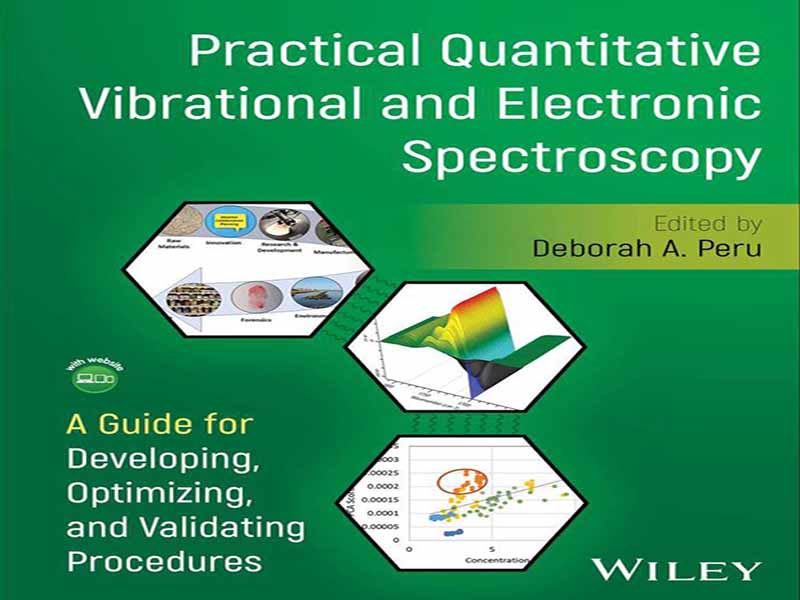
- عنوان کتاب: Practical Quantitative Vibrational and Electronic Spectroscopy A Guide for Developing, Optimizing, and Validating Procedures
- نویسنده: Jon Hoffman
- حوزه: ارتعاش
- سال انتشار: 2026
- تعداد صفحه: 406
- زبان اصلی: انگلیسی
- نوع فایل: pdf
- حجم فایل: 7.84 مگابایت
حوزه طیفسنجی همچنان در سختافزار و نرمافزار و نحوه کاربرد آن در صنایع بیولوژیکی، دارویی، پزشکی، الکترونیکی و محیطی و سایر صنایع در حال پیشرفت است. بخش عمدهای از ادبیات قبلی منتشر شده در دهههای 1980 و 1990 مربوط به استفاده از طیفسنجی کمی در صنایع کشاورزی و شیمیایی است. با بهبود سریع سرعت کامپیوتر، کاربردهای فناوری تجزیه و تحلیل فرآیند (PAT) به سرعت به یک “موضوع داغ” در کنفرانسها تبدیل شد. PAT همچنان یک حوزه مهم مورد توجه طیفسنجها و مهندسان در قرن بیست و یکم برای بهبود کیفیت محصول و صرفهجویی در هزینههای تولید است. شیمیسنجی (یعنی تجزیه و تحلیل مؤلفههای اصلی) و یادگیری ماشین برای استخراج اطلاعات از مقادیر زیادی از دادههای تکراری و همبسته، بدون شک یکی از پرکاربردترین و منتشر شدهترین مباحث در طیفسنجی امروزی است. رویکرد اتخاذ شده در این کتاب، ارائه نگاهی گسترده به چگونگی و چرایی استفاده از طیفسنجی در حال حاضر در صنایع مختلف است. هدف، ارائه یک راهنمای آموزشی برای توسعه روشهایی است که نه نظری، بلکه عملی برای پیادهسازی و متناسب با هدف هستند. در بسیاری از بخشهای صنعتی، رویههای طیفسنجی کمی در طول چرخه عمر محصول، از تعیین آلایندهها در مواد اولیه گرفته تا حل مسئله در زمانی که عملکرد محصول به خطر میافتد، استفاده میشوند. روشهای معتبری که مطابق با دستورالعملهای FDA و ICH هستند، ممکن است نیاز به توسعه و اجرای سریع داشته باشند تا از اولویتهای تجاری که به سرعت در حال تغییر هستند، پشتیبانی کنند. رویکرد سنتی ایجاد یک “مجموعه آموزشی” متشکل از استانداردهای کالیبراسیون منطبق با ماتریس ممکن است همیشه مورد نیاز یا قابل قبول نباشد. یک مثال خوب زمانی است که از دستگاههای مبتنی بر نور در مطالعات طولی برای اندازهگیری تغییر رنگ از یک خط پایه استفاده میشود. این کتاب به مباحث دنیای واقعی مانند زمان توسعه کوتاه، طراحی مجموعه آموزشی، استراتژیهای انتخاب طول موج و بهترین شیوهها برای مدیریت چرخه عمر رویهها میپردازد و شما را به ابزارهای لازم برای موفقیت در پروژههایتان مجهز میکند. بخش اول، سالها دانش به دست آمده توسط نویسندگان را هنگام توسعه، اعتبارسنجی و اجرای یک رویه کمی، در بر میگیرد. این کتاب چندین رویکرد کمی مورد استفاده در صنعت و دانشگاه را برای استخراج اطلاعات کمی از دادههای طیفی پوشش میدهد. فصلها از این منظر نوشته شدهاند که بسیاری از رویههای طیفسنجی خلاقانه و مفید را میتوان برای اهداف مختلف توسعه داد و استفاده کرد. این شامل درخواستهای ثبت اختراع، مطالعات بالینی و آزمایشهای محیطی هم در زمین و هم در فضا میشود. بسیاری از آزمایشگاهها که از ابزار طیفسنجی استفاده میکنند، به عنوان بخشی از ابتکار عمل برای بهبود کارایی آزمایشگاه، رویههایی را برای آزمایش روتین کیفیت نمونهها با استفاده از نرمافزار سازگار با CFR 21 Part 11 پیادهسازی میکنند. بخش دوم این کتاب شامل کاربردهای تجاری ابزار طیفسنجی فرابنفش، مرئی، نزدیک به مادون قرمز، میانی، رامان و SERS است. این کاربردها برای برجسته کردن جنبههای مهم توسعه روش ارائه شده در بخش اول انتخاب شدهاند. نویسندگان در مورد چگونگی غلبه بر چالشهای خاص برای افزایش عملکرد روش در کاربردهای مختلف مرتبط بحث میکنند. این موارد شامل اندازهگیری میکروپلاستیکها، پتروشیمیها، شراب، داروسازی، پزشکی قانونی و داروهای غیرقانونی است. این مثالهای عملی برای اطمینان از درک شما و افزایش اعتماد به نفس شما در بهکارگیری دانش در کار شما گنجانده شده است. بخش سوم این کتاب شامل چندین “ویگنت” است که نمونههایی از مشکلات حل شده در حین توسعه و پیادهسازی ابزار طیفسنجی برای تجزیه و تحلیل کمی را شرح میدهد. این اطلاعات ارزشمند به اشتراک گذاشته میشود، بنابراین توسعهدهندگان میتوانند از این نویسندگان باتجربه بیاموزند و آن را در کاربردهای آینده به کار گیرند. هدف ما ارائه درکی از مدیریت پروژههای طیفسنجی کمی به خواننده است. بخش اول کتاب ترکیبی از تئوری و دانش مبتنی بر تجربه در مراحل مختلف ساخت رویههای کمی را ارائه میدهد. بخشهای دوم و سوم با هدف گسترش درک خوانندگان از نحوهی بهکارگیری روشهای کمی و کمک به ایجاد خلاقیت برای توسعهی رویههای جدید طیفسنجی کمی تدوین شدهاند. در حین تهیهی این فصلها، از همکاران مختلف بازخورد دریافت کردم. از افراد زیر به خاطر بررسیهای خردمندانهشان در مورد بخشهای مختلف کتاب سپاسگزارم: امیل دبلیو. سیورچاک، پیر-ایو ساکره، برایان روربک و رایان لرود. همچنین از همکار خلاقم، نیکلاس مینادئو، به خاطر افزایش کیفیت و وضوح بسیاری از شکلها و تصاویر این کتاب تشکر میکنم. در نهایت، از بحثهای پربار با گری ریچی که دو نویسندهی برجسته را برای این کتاب معرفی کرد، سپاسگزارم.
The field of spectroscopy continues to advance in both hardware and software, and how it is applied in biological, pharmaceutical,medical, electronic, and environmental industries, among others.Much of the previous literature published in the 1980s and 1990s pertains to using quantitative spectroscopy in the agricultural and chemical industries. With the rapid improvement in computer speed, process analytical technology (PAT) applications rapidly became a “hot topic” at conferences. PAT continues to be an important area of focus for spectroscopists and engineers in the 21st century for improving product quality andmanufacturing cost savings. Chemometrics (i.e. principal component analysis) and machine learning for extracting information from large quantities of redundant and correlated data is inarguably one of the most widely used and published topics in spectroscopy today. The approach taken in this book is to offer a broad look at how and why spectroscopy is currently being used across multiple industries. The intent is to provide an instructional guide for developing methods that are not theoretical but practical to implement and fit for purpose. In many industrial sectors, quantitative spectroscopy procedures are used throughout the product’s life cycle, from the determination of contaminants in raw materials to problem-solving when product performance is compromised. Validated methods that adhere to FDA and ICH guidelines may need to be developed and implemented quickly to support rapidly changing business priorities. The traditional approach of creating a “training set” consisting of matrix-matched calibration standards may not always be needed or plausible. A good example is when light-based devices are used in longitudinal studies to measure the color change from a baseline. This book addresses real-world topics like short development time, training set design, wavelength selection strategies, and best practices for the lifecycle management of procedures, equipping you with the necessary tools to succeed in your projects. Part I captures years of knowledge gained by the authors when developing, validating, and implementing a quantitative procedure. It covers several quantitative approaches used in industry and academia to extract quantitative information from spectral data. The chapters are written from the perspective that many creative and useful spectroscopy procedures can be developed and used for many different purposes. This includes patent applications, clinical studies, and environmental testing both on Earth and in space. Many laboratories using spectroscopy instrumentation are implementing procedures for routine quality testing of samples using CFR 21 Part 11 compliant software as part of the initiative to improve laboratory efficiency. Part II of this book includes commercial ultraviolet, visible, near-infrared, mid-infrared, Raman, and SERS instrumentation applications. The applications were chosen to highlight important aspects of method development presented in Part I. The authors discuss how specific challenges were overcome to enhance method performance in various relevant applications. These include the measurement ofmicroplastics, petrochemicals, wine, pharmaceuticals, forensics, and illicit drugs. These practical examples are included to reassure you of your understanding and boost your confidence in applying the knowledge in your work. Part III of this book contains several “Vignettes” describing examples of problems solved while developing and implementing spectroscopy instrumentation for quantitative analysis. This valuable information is being shared, so developers can learn from these experienced authors and apply it in future applications. We aim to provide the reader with an understanding of managing quantitative spectroscopy projects. Part I of the book provides a mix of theory and experience-based knowledge on the various stages of building quantitative procedures. Part II and Part III are intended to broaden the readers’ understanding of how quantitative methods are applied and help to spark creativity for developing new quantitative spectroscopy procedures. While preparing these chapters, I gathered feedback fromvarious colleagues. I am grateful to the following individuals for their insightful reviews of different portions of the book: EmilW. Ciurczak, Pierre-Yves Sacré, Brian Rohrback, and Ryan Lerud. I also thank my creative colleague, Nicholas Minadeo, for enhancing the quality and resolution of many figures and images in this book. Finally, I am grateful for the fruitful discussions with Gary Ritchie, who identified two outstanding authors for this book.
این کتاب را میتوانید از لینک زیر بصورت رایگان دانلود کنید:
Download: Practical Quantitative Vibrational and Electronic Spectroscopy

























نظرات کاربران