












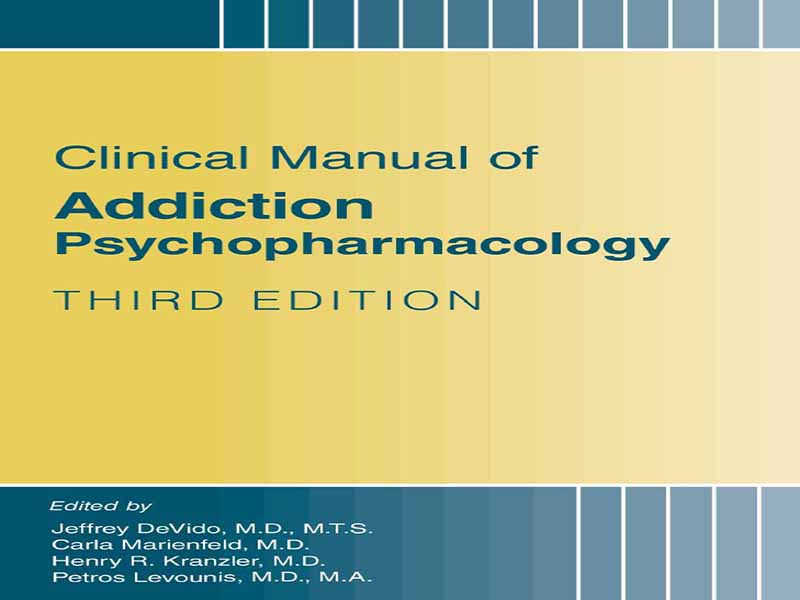
- عنوان کتاب: Clinical Manual of Addiction Psychopharmacology
- نویسنده: Jeffrey DeVido, Carla Marienfeld
- حوزه: زیستشناسی سلولی
- سال انتشار: 2025
- تعداد صفحه: 600
- زبان اصلی: انگلیسی
- نوع فایل: pdf
- حجم فایل: 5.59 مگابایت
از زمان انتشار نسخه قبلی این کتاب در سال ۲۰۱۵، درک ما از اختلالات اعتیادآور و درمان آنها به طور قابل توجهی پیشرفت کرده است. در همین مدت، نیاز به تخصص سلامت رفتاری به طور چشمگیری افزایش یافته است: سالهای اخیر با بحرانهایی در سلامت عمومی، دسترسی ناعادلانه به مراقبت، تغییرات اقلیمی، سلامت روان و انزوای ناشی از فناوری، و چند مورد دیگر، مشخص شده است. در نگاه اول، این بحرانها ممکن است نامرتبط به نظر برسند، اما ما به عنوان ارائه دهندگان مراقبتهای بهداشتی شاهد رابطه پیچیدهای بین این رویدادها بودهایم که بر رفاه اجتماعی فردی و جمعی ما تأثیر گذاشته است، که یکی از مظاهر آن اپیدمی ویرانگر فعلی مصرف مواد و مصرف بیش از حد/مسمومیت است. بنابراین، یک چیز قطعی است: فوریت این لحظه ایجاب میکند که ارائه دهندگان مراقبتهای بهداشتی و سیستمهای مراقبت، سوء مصرف مواد و اختلالات اعتیادآور را بهتر درک کنند، در مورد آن ارتباط برقرار کنند و (مهمتر از همه) آن را درمان کنند. با این ضرورت، این کتاب به عنوان نقطه شروع خود این فرض را در نظر میگیرد که اگرچه سوء مصرف مواد و اختلالات اعتیادآور از مجموعهای پیچیده از عوامل اجتماعی، محیطی، اقتصادی و بیولوژیکی ایجاد میشوند (و توسط آنها حفظ میشوند)، اما با این وجود ذاتاً شرایطی قابل درمان هستند. خوشبختانه، علاقه روزافزونی به حوزههای پزشکی اعتیاد بالینی و روانپزشکی اعتیاد وجود دارد، حوزههایی که به عنوان زیرشاخههایی به حاشیه مراقبتهای بهداشتی رانده شده بودند. اکنون بیش از ۵۰۰۰ متخصص اعتیاد دارای گواهینامه تخصصی و افراد بیشماری دیگر وجود دارند که اگرچه گواهینامه ندارند، اما آموزشهای بیشتری را برای پشتیبانی از نیازهای بالینی بیماران و جوامع خود گذراندهاند. این امر دلگرمکننده است و نشان دهنده حس رو به رشد مالکیت (و مسئولیتپذیری) مراقبتهای بهداشتی جریان اصلی بر ارزیابی و مدیریت سوءمصرف مواد و اختلالات اعتیادآور است. بنابراین، هدف اصلی این کتاب، ارائه پشتیبانی بهروز برای این نیروی کار نوظهور است تا با پیشرفتهای سریع در درک و درمان این شرایط همگام شود. نویسندگان متخصصی که در اینجا گرد هم آمدهاند، قصد دارند پیشرفتهای علمی در درک ما از چگونگی تأثیر مواد سوءمصرف بر افرادی که از آنها استفاده میکنند را خلاصه و ترجمه کنند و مبانی رواندارویی و نوروبیولوژیکی درمانهای موجود برای مدیریت این شرایط را شرح میدهند. متأسفانه، پیشرفت در دارودرمانی برای اختلالات اعتیادآور با سرعت قابل مقایسهای در بین مواد مختلف رخ نداده است، همانطور که فقدان دارودرمانیهای مورد تأیید FDA برای اکثر اختلالات مصرف مواد (SUD) نشان میدهد. برخی از مواد، مانند محرکها، نشاندهنده یک حوزه انفجاری از نگرانیهای بهداشت عمومی هستند و فقدان دارودرمانیهای مورد تأیید FDA، تلاشهای درمانی جامعه را محدود میکند. با این حال، بینشهای اساسی در مورد داروشناسی مواد اعتیادآور مختلف که به تفصیل در این کتاب مورد بحث قرار گرفتهاند، مبنای محکمی برای توسعه دارو در طیف اختلالات اعتیادآور فراهم میکند. به موازات آن، پیشرفتها در فارماکوژنتیک اهداف بالقوه دیگری را برای توسعه دارو فراهم کردهاند که ممکن است روزی مبنایی برای درمان شخصیتر اختلالات اعتیادآور فراهم کند. رویکردهای مداخلهای غیر از دارودرمانی، مانند تحریک مغناطیسی ترانس کرانیال و تحریک عمیق مغز، نیز تحقیقات نوظهوری را ارائه میدهند که به موازات دارودرمانی و فارماکوژنتیک در حال پیشرفت است. در مجموع، چشمانداز آینده درمان اختلالات اعتیادآور روشن است. ساختار این کتاب، مانند ویرایش قبلی، عمدتاً بر اساس نوع ماده سازماندهی شده است، زیرا این رویکرد برای درک ویژگیهای نوروبیولوژیکی و فارماکودینامیک این مواد و درمانهای آنها ضروری است. در این ویرایش، فصلهایی اضافه شده است تا رویکردهای درمانی نوظهور دیگری را که فراتر از مواد خاص هستند، مانند پزشکی یکپارچه و رویکردهای مداخلهای که شامل تحریک مغناطیسی ترانس کرانیال و تحریک عمیق مغز میشوند، منعکس کند. هر فصل به گونهای سازماندهی شده است که توضیحی بنیادی در مورد نوروفارماکولوژی چگونگی تأثیر مواد مختلف بر افرادی که از آنها استفاده میکنند، از جمله تظاهرات بالینی مسمومیت و سندرمهای ترک (در صورت مرتبط بودن) ارائه دهد. پس از این مقدمه، مروری بهروز از شواهد مربوط به درمانهای مختلف رواندارویی و رویکردهایی برای درمان جمعیتهای خاص (در صورت موجود بودن)، مانند افرادی که دارای اختلالات روانپزشکی یا پزشکی همزمان قابل توجه و افراد باردار هستند، ارائه میشود. بررسی اپیدمیولوژیک عمداً به حداقل رسیده است تا زمینهای عملی از نوروفارماکولوژی، شرح پدیدارشناسی بالینی و راهنمای درمان ارائه شود. با این ساختار سازمانی، تأکید بر این نکته مهم است که سوءمصرف مواد و اختلالات اعتیادآور خود فراتر از مواد خاص هستند. بلکه، این شرایط نشان دهنده اوج رابطه رفتاری ناسازگارانه ای است که افراد با انواع مختلف آن ایجاد کرده اند.
Since the publication of the previous edition of this book in 2015, our understanding of addictive disorders and their treatment has advanced significantly. During the same span, the need for behavioral health expertise has exploded: the intervening years have been marked by crises in public health, inequitable access to care, climate change, mental health, and technology- enabled isolation, to name a few. At first glance, these crises may seem unrelated, but as health care providers we have witnessed a complex relationship among these events that has affected our individual and collective social well-being, a manifestation of which is the current devastating epidemic of substance use and overdose/poisoning. Therefore, one thing is certain: The urgency of the moment requires that health care providers and systems of care better understand, communicate about, and (most importantly) treat substance misuse and addictive disorders. With this imperative, this book takes as its starting point the supposition that although substance misuse and addictive disorders develop from (and are sustained by) a complex set of social, environmental, economic, and biological factors, they are nonetheless inherently treatable conditions. Fortunately, there is growing interest in the fields of clinical addiction medicine and addiction psychiatry, fields that as subspecialties were relegated to the margins of health care. There are now more than 5,000 specialty-certified addiction specialists and countless others who, although not certified, have undertaken additional training to support the clinical needs of their patients and communities. This is encouraging and reflects a growing sense of mainstream health care ownership of (and responsibility over) the assessment and management of substance misuse and addictive disorders. The overarching goal of this book, therefore, is to provide updated support for this emerging workforce to keep pace with the rapid advancements in our understanding and treatment of these conditions. The expert authors assembled herein aim to summarize and translate the scientific advancements in our understanding of how misused substances impact the individuals who use them, and they describe the psychopharmacological and neurobiological bases for the treatments available to manage these conditions. Unfortunately, advances in pharmacotherapies for addictive disorders have not occurred at a comparable pace across substances, as evidenced by the lack of FDA-approved pharmacotherapies for most substance use disorders (SUDs). Some substances, such as stimulants, represent an explosive area of public health concern, and the lack of FDA-approved pharmacotherapies constrains community treatment efforts. However, the substantial insights into the pharmacology of the various addictive substances that are discussed in detail in this book provide a solid basis for medication development across the spectrum of addictive disorders. In parallel, advances in pharmacogenetics have provided additional potential targets for medication development that may one day provide a basis for more personalized treatment of addictive disorders. Interventional approaches other than pharmacotherapies, such as transcranial magnetic stimulation and deep brain stimulation, also offer emerging research that is advancing in parallel with pharmacotherapy and pharmacogenetics. Altogether, the future landscape of addictive disorder treatment is bright. The structure of this book remains, as in the previous edition, largely organized by substance type, because this approach is essential to an understanding of the neurobiological and pharmacodynamic characteristics of these substances and their treatments. In this edition, chapters have been added to reflect additional emerging treatment approaches that transcend specific substances, such as integrative medicine and interventional approaches that include transcranial magnetic stimulation and deep brain stimulation. Each chapter is organized to provide a foundational neuropharmacological explanation of how various substances affect the individuals who use them, including the clinical manifestations of intoxication and withdrawal syndromes (as are relevant). This foundation is followed by an updated review of the evidence for various psychopharmacological therapies and approaches for treating special populations (as are available), such as those with noteworthy co-occurring psychiatric or medical disorders and pregnant individuals. Epidemiological review has been intentionally minimized in favor of providing a practical neuropharmacological background, description of clinical phenomenology, and treatment guidance. With this organizational structure, it is important to underscore that substance misuse and addictive disorders themselves transcend specific substances. Rather, these conditions represent the culmination of the maladaptive behavioral relationship that individuals have developed with various substances. Therefore, we begin the book with a newly reworked chapter (“Treatment of Substance Use Disorders”) that views the pharmacotherapy of addictive disorders through a broader social and system-based lens. Confronting substance misuse and addictive disorders, and the complex set of environmental, economic, social, and biological factors from which they emerge and that sustain them, is the purview of all health care providers. Unfortunately, stigma against both individuals with addictive disorders and the treatments of these disorders themselves remains widespread in health care. Familiarity counteracts stigma, however, as is commonly argued. This book, therefore, has as a secondary aim: reducing stigma through education and thereby empowering providers to tackle the current epidemic of substance use and overdose/poisoning.
این کتاب را میتوانید از لینک زیر بصورت رایگان دانلود کنید:


























نظرات کاربران