










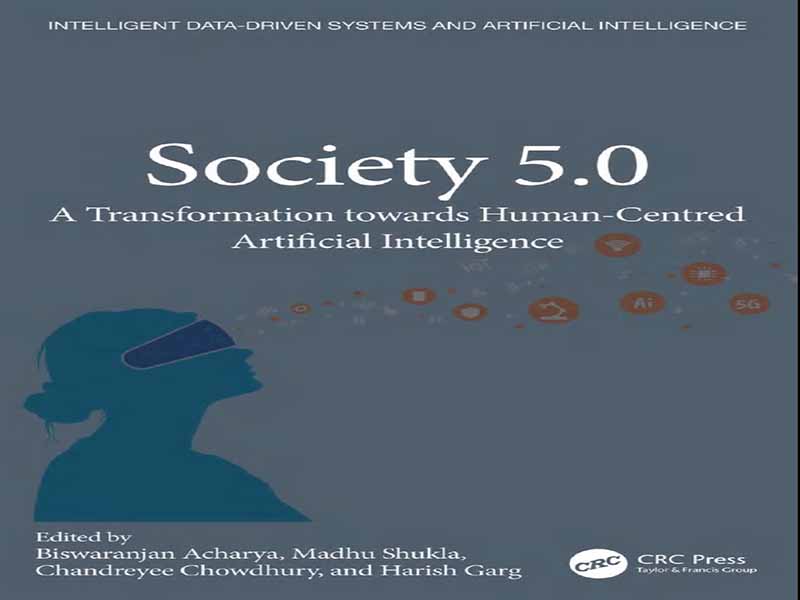
- عنوان کتاب: Society 5.0 -A Transformation towards Human-Centred Artificial Intelligence
- نویسنده: Biswaranjan Acharya, Madhu Shukla
- حوزه: جامعه 5
- سال انتشار: 2025
- تعداد صفحه: 311
- زبان اصلی: انگلیسی
- نوع فایل: pdf
- حجم فایل: 3.03 مگابایت
مقدمه این کتاب بر مفهوم «سیستمهای هوشمند دادهمحور و هوش مصنوعی» تمرکز دارد. این کتاب چگونگی کمک هوش مصنوعی و سیستمهای هوشمند به جامعه در دستیابی به وضعیت جدید رفاه و امنیت را در راستای اصول جامعه ۵.۰ گرد هم میآورد. فصلهای مختلف، روشهای مختلفی را که فناوری امروزه میتواند به عنوان یک عامل محرک برای مردم در بخشهای مختلف زندگی روزمره باشد، آشکار میکند. از آنجا که محدودیتهایی در تواناییهای افراد وجود دارد، وظیفه یافتن اطلاعات لازم از اطلاعات سرریز و تجزیه و تحلیل آن، کاری طاقتفرسا بود و به دلیل سن و درجات مختلف توانایی، کار و دامنه عمل محدود بود. همچنین، به دلیل محدودیتهای مختلف در مورد مسائلی مانند کاهش نرخ تولد و پیری جمعیت و کاهش جمعیت محلی، پاسخگویی مناسب دشوار بود. اصلاحات اجتماعی (نوآوری) در جامعه ۵.۰، جامعهای رو به جلو را محقق خواهد کرد که حس رکود موجود را از بین میبرد، جامعهای که اعضای آن احترام متقابل دارند و از نسلی به نسل دیگر منتقل میشوند، و جامعهای که در آن هر فرد میتواند از طریق پیشرفت فناوری، زندگی فعال و لذتبخشی را سپری کند. این کتاب با هدف ارائه ایدههای نوآورانهتر برای واقعیت نوشته شده است. اگرچه موضوع اصلی کتاب فناوریها و پذیرش آنها برای جامعه ۵.۰ است، اما ویژگیهای اصلی آن شامل تجزیه و تحلیل کاملی از هوش مصنوعی انسانمحور و رباتیک انسانمحور و پتانسیل فناوری برای حل مشکلات اجتماعی نه تنها جوامع توسعهیافته، بلکه کشورهای در حال توسعه مانند هند نیز میشود. حوزههای کاربردی اصلی هوانوردی، تجارت الکترونیک و سلامت نیز با جامعه ۵.۰ بررسی خواهند شد. این جلد شامل ۱۲ فصل است که حول جنبههای مختلف جامعه ۵.۰ میچرخد، در حالی که هوش مصنوعی و یادگیری ماشین در اولویت قرار دارند. ارتباط استانداردهای مختلف صنعت نیز مورد بررسی قرار گرفته است. حوزه مراقبتهای بهداشتی توسط بسیاری از نویسندگان بررسی شده است که از طریق رشد فراگیر و کیفیت زندگی بهتر، آیندهای روشنتر را نوید میدهد. فصل ۱
تأثیر جامعه ۵.۰ را بر حوزههایی مانند مراقبتهای بهداشتی، امنیت و توسعه اجتماعی بررسی میکند و زمینههای تاریخی، مزایا، چالشها و راههای ایجاد تعادل بین کیفیت زندگی و رشد فناوری و اقتصادی را برجسته میکند. فصل ۲ چالشها و اصلاحات در سیستم مراقبتهای بهداشتی هند را بررسی میکند و بر دسترسی به منابع، بهبود زیرساختها، ابتکارات دولتی مانند آیوشمن بهارات و نقش مدیران مراقبتهای بهداشتی در رفع کمبود نیروی کار و نگرانیهای مربوط به کیفیت تمرکز دارد. با وجود پیشرفت، دستیابی به مراقبتهای بهداشتی عادلانه و با کیفیت بالا نیازمند همکاری پایدار بین همه ذینفعان است. فصل ۳ توضیح میدهد که چگونه استراتژیهای مداخله زودهنگام و پیشگیری از ترک تحصیل (EIDP) از رویکردهای مبتنی بر داده و یادگیری ماشینی برای شناسایی دانشجویان در معرض خطر استفاده میکنند و مداخلات به موقع مانند مربیگری و تدریس خصوصی را برای افزایش حفظ، تقویت عدالت و کاهش نرخ ترک تحصیل امکانپذیر میسازند. فصل ۴ به توصیف Resume Analyzer میپردازد که با استفاده از Gemini-Pro LLM گوگل برای استخراج و همترازی جزئیات کلیدی، فرآیند تطبیق رزومهها با شرح شغل را ساده میکند. این ابزار در زمان صرفهجویی میکند، دقت را تضمین میکند و یک راهحل کاربرپسند برای جویندگان کار ارائه میدهد.
فصل ۵ نشان میدهد که چگونه هوش مصنوعی (AI) و یادگیری ماشینی (ML) با ادغام تکنیکهای تجربی و محاسباتی، کشف دارو، درمان شخصیسازی شده و تشخیص را متحول میکنند. این فناوریها، از جمله روشهایی مانند شبکههای عصبی مصنوعی و CRISPR، دقت در تغییر کاربرد داروها، تشخیص بیماری و تصمیمگیری بالینی را افزایش میدهند. با وجود چالشها، نقش هوش مصنوعی در پزشکی دقیق در حال گسترش است و راهحلهای بالقوهای را برای بهبود نتایج و پیشبینیهای درمان ارائه میدهد. فصل 6، تحلیل شبکه اجتماعی (SNA)، اعتماد در تعاملات آنلاین را بررسی میکند که برای ایجاد روابط و همکاری بسیار مهم است. مدلهای یادگیری ماشین و منطق فازی برای پیشبینی و ارزیابی اعتماد بر اساس عواملی مانند نفوذ، دنبالکنندگان و تعامل استفاده میشوند. فصل 7 بر اهمیت مسئولیت اجتماعی، پایداری و غلبه بر چالشهایی مانند حریم خصوصی دادهها و نگرانیهای اخلاقی در اجرای یک چارچوب نوآورانه و انسانمحور Society 5.0 تأکید میکند. فصل 8 به طور انتقادی پزشکی 4.0 را بررسی میکند که فناوریهای پیشرفتهای مانند هوش مصنوعی، پزشکی از راه دور و دستگاههای پوشیدنی را برای انقلابی در فرآیندهای مراقبت از بیمار و مراقبتهای بهداشتی ادغام میکند. این فناوری در حالی که مراقبت شخصیسازیشده و کارآمد و تشخیص زودهنگام بیماری را ارائه میدهد، نگرانیهای اخلاقی و حریم خصوصی را نیز مطرح میکند و نیاز به همکاری برای رسیدگی به چالشهای نظارتی و امنیتی دارد.
فصل 9 نقش توپولوژی در پردازش تصویر دیجیتال را با تمرکز بر توپولوژیهای مختلف ساخته شده بر روی Z^2 بررسی میکند. این مقاله، تجزیه و تحلیل مقایسهای از این توپولوژیها و تأثیر آنها بر تشخیص الگو و تحلیل تصویر ارائه میدهد. صنعت ۵.۰ با ترکیب مهارتهای انسانی با فناوریهای پیشرفته، اشتغال را تغییر شکل میدهد و نیازمند توسعه مهارتهای جدید است. فصل ۱۰ تأثیر آن را بر نقشهای شغلی، کیفیت محصول و نیاز به سیاستها و آموزشهای مؤثر بررسی میکند.
PrefaceThe book centres concept of “Intelligent Data-Driven Systems and Artificial Intelligence”. Bringing together how AI and Intelligent systems helps society in achieving new state of well-being and security aligning with the fundamentals of Society 5.0. Different chapter uncovers the different ways in which technology today can be a driving factor for the people in different day to day sectors of life. Because there is a limit to what people can do, the task of finding the necessary information from overflowing information and analysing it was a burden, and the labour and scope of action were restricted due to age and varying degrees of ability. Also, due to various restrictions on issues such as a decreasing birthrate and ageing population and local depopulation, it was difficult to respond adequately.Social reform (innovation) in Society 5.0 will achieve a forward-looking society that breaks down the existing sense of stagnation, a society whose members have mutual respect, transcending the generations, and a society in which each person can lead an active and enjoyable life through technological advancement. This book aims to bring more innovative ideas for reality.While the gross theme of the book is technologies and their adoption for Society 5.0, the main features include a thorough analysis of human-centred artificial intelligence and human-centred robotics, and the technological potential of solving social problems of not only developed societies but also of developing countries like India. The major application domains of aviation, e-commerce and health will also be reviewed w.r.t Society 5.0.This volume consists of 12 chapters that revolve around the various aspects of Society 5.0 while AI and ML take the forefront. The relation of various Industry standards is also dealt with. Healthcare domain has been explored by many of the authors that usher in a brighter future through inclusive growth and better quality of life.Chapter 1
explores Society 5.0’s impact on areas like healthcare, security, and social development, highlighting historical context, benefits, challenges, and ways to balance quality of life with technological and economic growth. Chapter 2 examines the challenges and reforms in India’s healthcare system, focusing on resource access, infrastructure improvements, government initiatives like Ayushman Bharat, and the role of healthcare managers in addressing workforce shortages and quality concerns. Despite progress, achieving equitable, high-quality healthcare requires sustained collaboration among all stakeholders. Chapter 3 explains how early intervention and dropout prevention (EIDP) strategies use data-driven approaches and machine learning to identify at-risk students, enabling timely interventions like mentoring and tutoring to enhance retention, foster equity, and reduce dropout rates. Chapter 4 describes Resume Analyzer, which simplifies the process of tailoring resumes to job descriptions by using Google’s Gemini-Pro LLM to extract and align key details. This tool saves time, ensures accuracy, and offers a user-friendly solution for job seekers.
Chapter 5 depicts how Artificial Intelligence (AI) and Machine Learning (ML) are transforming drug discovery, personalised treatment, and diagnostics by integrating experimental and computational techniques. These technologies, including methods like Artificial Neural Networks and CRISPR, enhance accuracy in drug repurposing, disease diagnosis, and clinical decision-making. Despite challenges, AI’s role in precision medicine is expanding, offering potential solutions for improving treatment outcomes and predictions. Chapter 6, Social Network Analysis (SNA), explores trust in online interactions, which is crucial for building relationships and collaboration. Machine learning models and fuzzy logic are used to predict and evaluate trust based on factors such as influence, followers, and engagement. Chapter 7 highlights the importance of social responsibility, sustainability, and overcoming challenges such as data privacy and ethical concerns in implementing a human-centric, innovative Society 5.0 framework. Chapter 8 critically overviews Medicine 4.0, which integrates advanced technologies like AI, telemedicine, and wearable devices to revolutionise patient care and healthcare processes. While offering personalised, efficient care and early disease detection, it also raises ethical and privacy concerns, requiring collaboration to address regulatory and security challenges.
Chapter 9 explores the role of topology in digital image processing, focusing on different topologies constructed on Z^2. It presents a comparative analysis of these topologies and their impact on pattern recognition and image analysis. Industry 5.0 is reshaping employment by combining human skills with advanced technologies, requiring new skill development. Chapter 10 examines its impact on job roles, product quality, and the need for effective policies and training to ensure inclusive growth. Society 5.0 envisions a future where technology enhances human life, with Human-Centred AI at its core. Chapter 11 explores the role of Neurosymbolic AI in integrating neural networks with symbolic reasoning, its applications, ethical concerns, and its potential to revolutionise sectors like healthcare, education, and smart cities. Chapter 12 provides a comprehensive evaluation of autism screening tools for toddlers, emphasising the importance of early detection of autism spectrum disorder (ASD) for timely intervention. It critically analyses tools like M-CHAT-R/F, STAT, Q-CHAT-10, and ASQ, assessing their performance based on sensitivity, specificity, and predictive values while highlighting their strengths, limitations, and implications for early ASD detection and intervention.
این کتاب را میتوانید از لینک زیر بصورت رایگان دانلود کنید:
Download: Society 5.0 A Transformation towards Human-Centred Artificial Intelligence

























نظرات کاربران