










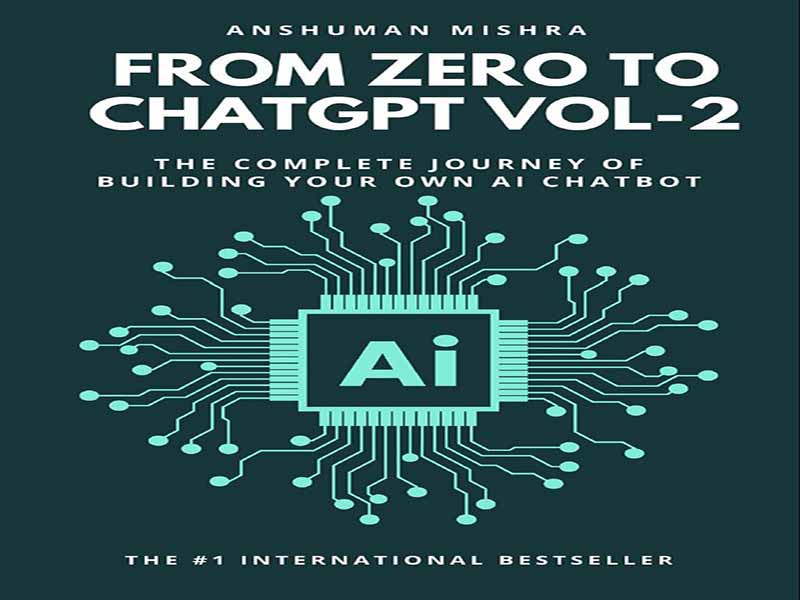
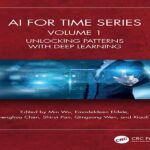
- عنوان کتاب: From Zero to ChatGPT VOL-2 The Complete Journey of Building Your Own AI Chatbot
- نویسنده: Mishra, Anshuman
- حوزه: چتبات
- سال انتشار: 2025
- تعداد صفحه: 339
- زبان اصلی: انگلیسی
- نوع فایل: pdf
- حجم فایل: 1.53 مگابایت
در دو دهه گذشته، بشریت شاهد یک تحول دیجیتالی بوده است که از تخیل فراتر میرود. رایانهها از ماشینحسابهای ساده به سیستمهای هوشمندی که قادر به درک زبان، احساسات و زمینه انسان هستند، تکامل یافتهاند. در میان این نقاط عطف، یکی از انقلابیترین پیشرفتها، هوش مصنوعی محاورهای (AI) است – هنر و علمی که ماشینها را قادر میسازد مانند انسانها صحبت کنند، استدلال کنند و پاسخ دهند. ریشههای هوش مصنوعی محاورهای را میتوان به اوایل دهه 1960 میلادی ردیابی کرد، زمانی که جوزف ویزنباوم در MIT، ELIZA را ایجاد کرد، یک برنامه مبتنی بر قانون که از یک رواندرمانگر تقلید میکرد. ELIZA اگرچه در توانایی خود محدود بود، اما طلوع گفتگوی انسان و ماشین را رقم زد. در طول سالها، تکامل فناوری باعث تولد ALICE، Siri، Cortana، Alexa و Google Assistant شد – که هر کدام از نسل قبلی خود توانمندتر، زمینهگراتر و شبیهتر به انسان بودند. با این حال، جهش واقعی با معماریهای مبتنی بر Transformer که توسط گوگل در سال 2017 معرفی شدند، رخ داد. این نوآوری پتانسیل مدلهای زبان بزرگ (LLM) را که قادر به درک نه تنها کلمات، بلکه روابط، زمینه و هدف هستند، آزاد کرد. با سری GPT شرکت OpenAI، هوش مصنوعی محاورهای وارد دوران جدیدی شد – عصری که در آن چتباتها میتوانستند مقاله بنویسند، معادلات را حل کنند، شعر بنویسند، کد طراحی کنند و در بحثهای فلسفی شرکت کنند. امروزه، هوش مصنوعی محاورهای دیگر یک چیز نوظهور نیست – بلکه یک ضرورت است. از خدمات مشتری و کمک به مراقبتهای بهداشتی گرفته تا آموزش، برنامهنویسی و سرگرمی، چتباتها به بخشهای جداییناپذیر اکوسیستم دیجیتال ما تبدیل شدهاند. آنها گردشهای کاری را ساده میکنند، شکافهای ارتباطی را پر میکنند و هوش انسانی را از طریق تقویت ماشین گسترش میدهند. ظهور ChatGPT و مدلهای مشابه نشان دهنده یک تغییر الگو – از تعامل به همکاری – است. این سیستمها فقط به سؤالات پاسخ نمیدهند؛ آنها همراهان متفکر، دستیاران یادگیری و نویسندگان خلاق هستند. آنها میتوانند دادههای گسترده را خلاصه کنند، پاسخها را شخصیسازی کنند و حتی با لحن یا سبک کاربر سازگار شوند. تلفیق یادگیری ماشینی (ML)، پردازش زبان طبیعی (NLP) و یادگیری عمیق، تکرار جنبههایی از شناخت انسان را به شکل محاسباتی ممکن ساخته است. با این حال، در پشت این نوآوری، پیچیدگی نهفته است – معماریها، مجموعه دادهها، تنظیم دقیق، طراحی اخلاقی و زیرساختهای گسترده. این پیچیدگی، نیاز به این کتاب را برانگیخت. به عنوان یک محقق و مربی با بیش از هجده سال سابقه در علوم کامپیوتر، دیدهام که فناوریهای هوش مصنوعی چقدر سریع تکامل مییابند – و چگونه دانشجویان، توسعهدهندگان و حتی متخصصان اغلب همگام شدن با آنها را دشوار مییابند. وقتی دنیا در مورد ChatGPT، Bard، Claude یا Gemini صحبت میکند، بیشتر بحثها در سطح باقی میمانند: “این یک ربات چت است که به سؤالات پاسخ میدهد.” اما چه چیزی در زیر این سیستمها نهفته است؟ آنها چگونه واقعاً قصد انسان را درک میکنند، متن منسجم تولید میکنند و از بازخورد یاد میگیرند؟ چگونه میتوان چنین سیستمی را از صفر ساخت؟ این کتاب برای پاسخ به این سؤالات نوشته شده است – نه به عنوان یک بحث انتزاعی، بلکه به عنوان یک سفر کامل و گام به گام. این کتاب برای کسانی طراحی شده است که نه تنها میخواهند از رباتهای چت استفاده کنند، بلکه میخواهند آنها را با درک فنی کامل ایجاد، آموزش و مستقر کنند. عنوان – از صفر تا ChatGPT – دقیقاً همان سفر را نشان میدهد: شروع از اصول اساسی و پایان دادن به معماریهای پیشرفته مبتنی بر هوش مصنوعی. این کتاب صرفاً نحوه کدنویسی یک ربات چت را آموزش نمیدهد؛ این نشان میدهد که چگونه مانند یک مهندس هوش مصنوعی فکر کنید – چگونه دادهها را ادغام کنید، خطوط لوله NLP را طراحی کنید، مدلها را آموزش دهید، آنها را مستقر کنید و عملکرد را در تنظیمات دنیای واقعی بهینه کنید.
In the last two decades, humanity has witnessed a digital transformation that transcends imagination. Computers have evolved from simple calculators to intelligent systems capable of understanding human language, emotions, and context. Among these milestones, one of the most revolutionary breakthroughs is Conversational Artificial Intelligence (AI) — the art and science of enabling machines to talk, reason, and respond like humans. The roots of conversational AI can be traced back to the early 1960s, when Joseph Weizenbaum at MIT created ELIZA, a rule-based program that mimicked a psychotherapist. Though limited in its capability, ELIZA marked the dawn of human–machine dialogue. Over the years, technological evolution gave birth to ALICE, Siri, Cortana, Alexa, and Google Assistant — each more capable, contextual, and human-like than its predecessor. However, the true leap came with Transformer-based architectures introduced by Google in 2017. This innovation unlocked the potential of Large Language Models (LLMs), capable of understanding not just words, but relationships, context, and intent. With OpenAI’s GPT series, conversational AI entered a new era — an age where chatbots could write essays, solve equations, generate poetry, design code, and engage in philosophical discussions. Today, conversational AI is no longer a novelty — it is a necessity. From customer service and healthcare assistance to education, programming, and entertainment, chatbots have become integral parts of our digital ecosystem. They streamline workflows, bridge communication gaps, and extend human intelligence through machine augmentation. The rise of ChatGPT and similar models represents a paradigm shift — from interaction to collaboration. These systems are not just answering questions; they are thinking companions, learning assistants, and creative co-authors. They can summarize vast data, personalize responses, and even adapt to a user’s tone or style. The fusion of Machine Learning (ML), Natural Language Processing (NLP), and Deep Learning has made it possible to replicate aspects of human cognition in computational form. Yet, behind this innovation lies complexity — architectures, datasets, fine-tuning, ethical design, and vast infrastructure. This complexity inspired the need for this book. As a researcher and educator with more than eighteen years of experience in computer science, I have seen how rapidly AI technologies evolve — and how students, developers, and even professionals often find it difficult to keep pace. When the world talks about ChatGPT, Bard, Claude, or Gemini, most discussions remain surface-level: “It’s a chatbot that answers questions.” But what lies beneath these systems? How do they actually understand human intent, generate coherent text, and learn from feedback? How does one build such a system — from zero? This book was written to answer those questions — not as an abstract discussion, but as a complete, step-by-step journey. It is designed for those who not only want to use chatbots but also create, train, and deploy them with full technical understanding. The title — From Zero to ChatGPT — symbolizes exactly that journey: starting from fundamental principles and ending with advanced AI-driven architectures. The book does not merely teach how to code a chatbot; it reveals how to think like an AI engineer — how to integrate data, design NLP pipelines, train models, deploy them, and optimize performance in realworld settings.
این کتاب را میتوانید از لینک زیر بصورت رایگان دانلود کنید:
Download: From Zero to ChatGPT VOL-2





















نظرات کاربران