









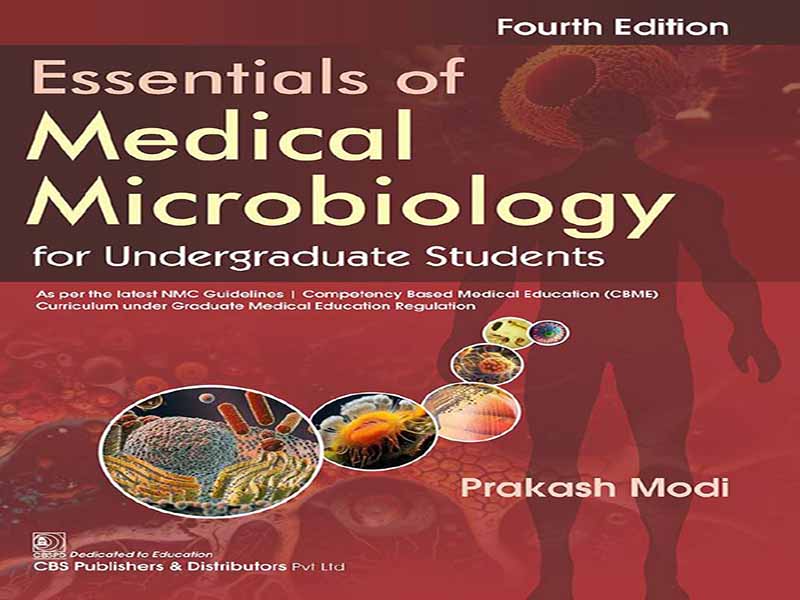
- عنوان کتاب: Essentials of Medical Microbiology for Undergraduates Students
- نویسنده: Prakash Modi
- حوزه: میکروبیولوژی
- سال انتشار: 2025
- تعداد صفحه: 1105
- زبان اصلی: انگلیسی
- نوع فایل: pdf
- حجم فایل: 44.7 مگابایت
پس از موفقیت بزرگ، قدردانی و بازخوردهای مثبت کتاب «دفترچه میکروبیولوژی پراکاش شامل انگلشناسی و حشرهشناسی» (ویرایش سوم)، من واقعاً از انتشار ویرایش چهارم این کتاب (که نام آن به «مبانی میکروبیولوژی» تغییر یافته است) هیجانزدهام. با انتشار ویرایش چهارم، پایانی بر شبهای بیخوابی و روزهای ناآرام فراوان خواهد بود. این کتاب با مطالعه مبتنی بر سیستم و طبق برنامه درسی اصلاحشده CBME (آموزش پزشکی مبتنی بر شایستگی) طراحی شده است و دارای کدها و شمارههای شایستگی برای مباحث میکروبیولوژی و برای مباحث تلفیقی سایر دروس است. کل برنامه درسی به سه بخش و 11 بخش تقسیم شده است: از بین این سه بخش، بخش اول شامل میکروبیولوژی عمومی (بخش 1)، ایمونولوژی (بخش 2) و عفونتها/بیماریهای عفونی مرتبط با مراقبتهای بهداشتی (بخش 3)، بخش دوم شامل میکروبیولوژی سیستمیک (بخشهای 4 تا 8) و بخش سوم شامل حشرهشناسی (بخش 9)، میکروبیولوژی عملی/DOAP/ارزیابی مهارت (بخش 10) و سوالات چندگزینهای (بخش 11) است. سوالات چندگزینهای به سه گروه تقسیم میشوند، مانند سوالات چندگزینهای فصلی که در انتهای هر فصل ارائه میشوند، در حالی که سوالات چندگزینهای بخشی و تصویری به ترتیب در فصلهای 125 و 126 به طور جداگانه ارائه میشوند. سوالات چندگزینهای ابزارهای مفیدی برای دانشجویان UG و همچنین داوطلبان PG هستند. در این نسخه، جدیدترین موضوعات/فصلها اضافه شدهاند. • سارس کووید-۲ (کووید-۲۰۱۹) شامل انواع و واکسنهای آن • روشهای کشت خودکار • نظرات در بانک سوالات • عوامل تسریعکننده عفونتهای باکتریایی/ویروسی/قارچی/انگلی • عفونتهای اکتسابی از آزمایشگاه • برنامه ملی بهداشت و مدیریت همهگیری • بازدید از بخش میکروبیولوژی. • IMG، AETCOM و شایستگیهای میکروبیولوژی طبق برنامه درسی اصلاحشده CBME. • شیوع آبله میمونی ۲۰۲۲ • آنفولانزای فصلی A/H3N2 ۲۰۲۳ • آنسفالیت ویروس چاندیپورا. پس از انتشار نسخههای اول، دوم و سوم، پاسخها و بازخوردهای فوقالعادهای از سراسر کشور از دانشجویان و دوستان/سالمندانم که به عنوان مدرس پزشکی در کالجهای مختلف خدمت میکنند، دریافت کردم. از همه آنها به خاطر تشویق من برای شرکت در نسخه چهارم سپاسگزارم. این کار بدون حمایت بیدریغ همسرم شوتا، دخترانم آریا و آدیا و جوانترین ستاره خانواده، پسرم سوار، امکانپذیر نبود. همچنین از تمام تیم ناشر و توزیعکننده CBS به خاطر حمایت بیپایانشان و انتشار چنین کتاب باکیفیتی قدردانی و تشکر میکنم. همچنین از حمایت همه صاحبان کتابفروشیها و توزیعکنندگان آنلاین قدردانی میکنم. در آخر، بار دیگر از همه کسانی که همیشه در کنارم بودند تا این سفر را با موفقیت به پایان برسانم، تشکر میکنم. میکروبها هیچ مرز آناتومیکی خاصی ندارند زیرا یک ارگانیسم یا گونه آن میتواند چندین سیستم را آلوده کند. علاوه بر این، تغییر آزمایشگاههای مبتنی بر ارگانیسم در بخش میکروبیولوژی مانند باکتریشناسی، ویروسشناسی، قارچشناسی، انگلشناسی و غیره به آزمایشگاههای مبتنی بر سیستم مانند آزمایشگاه CVS، آزمایشگاه CNS و غیره نیز امکانپذیر نیست، بنابراین طبق برنامه درسی CBME، انتقال مطالعات مبتنی بر ارگانیسم قبلی به مطالعات مبتنی بر سیستم دشوار است. مطالعه دقیق مبتنی بر سیستم بدون گروه همسالان (مانند نایسریا مننژیتیدیس با نایسریا گونوره، کلستریدیوم ولچی با کلستریدیوم تتانی و غیره) و بدون شفافسازی مفهوم طبقهبندی میکروبها، نه تنها ممکن است مانع درک و مفهومسازی میکروبیولوژی شود، بلکه برداشتهای نادرستی را نیز ایجاد میکند. میکروبیولوژی شاخه تشخیصی است که بسیار بهتر از شاخه بالینی است، نه شاخه درمانی (میکروبشناس میتواند پزشک را بر اساس نتایج آزمایشهای آزمایشگاهی برای درمان راهنمایی کند، اما نمیتواند مستقیماً بیمار را درمان کند)، که به بخش آزمایشگاهی محدود میشود، به ندرت یا به بخش بالین محدود میشود. من سعی کردهام با توصیف همه عفونتهای سیستمیک به عنوان عفونتهای شایع و به دنبال آن عفونت خاص توسط ارگانیسم خاص، تعادل بین همه اینها را حفظ کنم. همچنین تلاش شده است تا دانش کامل ارائه شود، اما نویسنده ادعای کمال ندارد. از همه دانشجویان و اساتید در مورد هرگونه خلاصهای از مطالب که به بهبود کار و ارائه مطالب با کیفیتتر به دانشجویان در ویرایش بعدی کمک میکند، استقبال میشود.
A fter the great success, appreciation and feedback of Prakash’s Notebook of Microbiology including Parasitology and Entomology (3rd edition), I am really excited for the publication of 4th edition of this book (Name changed as Essentials of Microbiology). It is the end of plenty of sleepless night and restless days with the release of this 4th edition. It is designed with system-based study as per revised CBME (Competency Based Medical Education) curriculum with competency codes and numbers for topics of Microbiology and for integrated topics of other subjects. Entire curriculum is divided in three parts and 11 sections: Among the three parts, Part I covers General Microbiology (Section 1), Immunology (Section 2) and Healthcare-associated Infections/HAIs (Section 3), Part II covers Systemic Microbiology (Sections 4 to 8) and Part III covers Entomology (Section 9), Practical Microbiology/DOAP/Skill Assessment (Section 10) and MCQs (Section 11). MCQs are divided into three groups like chapter wise MCQs given at the end of every chapter, while section wise and image-based MCQs are given separately in Chapters 125 and 126, respectively. MCQs are the useful tools for the UG students as well as for PG aspirants. Following latest topics/chapters are added in this edition. • SARS CoV-2 (COVID-2019) including its variants and vaccines • Automated culture methods • Comments in question bank • Precipitating factors of bacterial/viral/fungal/parasitic infections • Laboratory acquired infections • National Health Program and pandemic management • Visit to Microbiology department. • IMG, AETCOM and competencies in Microbiology as per revised CBME curriculum. • Monkey pox outbreak 2022. • A/H3N2 seasonal flu 2023. • Chandipura virus encephalitis. After the publication of 1st, 2nd and 3rd editions, I got tremendous response and feedback from entire country by students and my friends/seniors who are serving as medical teachers in different colleges, I am thankful to all of them for encouraging me to go for the 4th edition. This task could not have been possible without an eternal support from my wife Shweta, my daughters Aarya and Aadhya and youngest star of family, my son Swar. I am also appreciating and sharing my gratitude to the entire team of CBS Publisher & Distributor for their endless support and publishing such a quality book. I also appreciate the support of all book store owners and online distributors. Last but not least, again thank you to all those who were always at there for me to make this journey successful. Microbes do not have any specific anatomical border because one organism or its species can infect multiple systems. In addition, it is also not possible to change organism-based laboratories of Microbiology department like Bacteriology, Virology, Mycology, Parasitology, etc., to system-based laboratories like CVS laboratory, CNS laboratory, etc., so as per CBME curriculum, it is difficult to transfer earlier organism-based study to strict systembased study. Strict system-based study without peer group (like Neisseria meningitidis with Neisseria gonorrhoeae, Clostridium welchii with Clostridium tetani, etc.) and without clearance of taxonomical concept of microbes, may not only hinder the understanding and the concept building of Microbiology, but it also put erroneous perceptions. Microbiology is the diagnostic branch far better a clinical branch, not the therapeutic branch (Microbiologist can guide the clinician for treatment as per laboratory tests results, but cannot treat the patient directly), which is limited to laboratory side, rarely or not to bed side. I have tried to maintain the balance between all these by describing all systemic infections as common infections followed by specific infection by specific organism. Attempt has also been made to serve the complete knowledge but author does not claim for perfection. Suggestions are welcomed from all the students and teachers about any shorts in contents that will help to improve the work and to serve more quality material to students in subsequent edition.
این کتاب را میتوانید از لینک زیر بصورت رایگان دانلود کنید:
Download: Essentials of Medical Microbiology for Undergraduates Students

















نظرات کاربران