









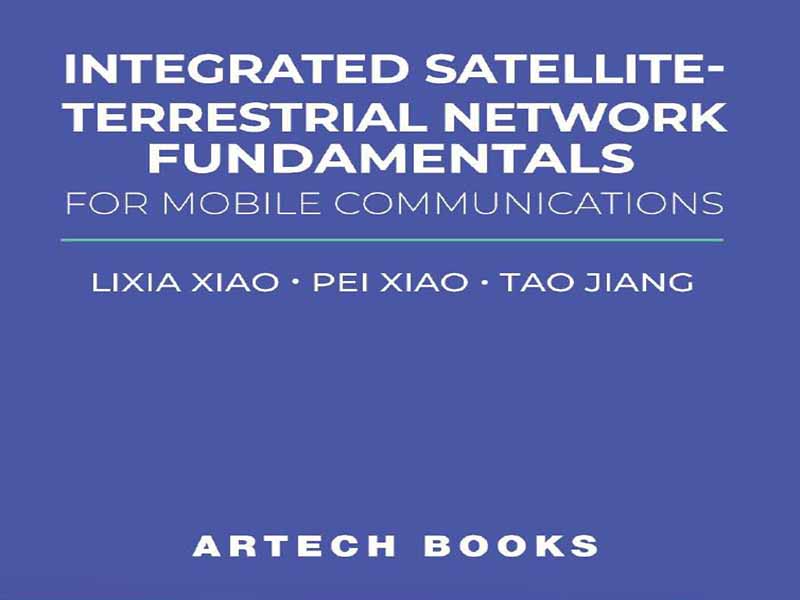
- عنوان کتاب: Integrated Satellite-Terrestrial Network Fundamentals for Mobile Communications
- نویسنده: Lixia Xiao, Pei- Xiao, Tao Jiang
- حوزه: ارتباطات ماهوارهای
- سال انتشار: 2025
- تعداد صفحه: 299
- زبان اصلی: انگلیسی
- نوع فایل: pdf
- حجم فایل: 19.3 مگابایت
به منظور پاسخگویی به تقاضای مردم برای ظرفیت اطلاعات، فناوری ارتباطات سیار از سیستم ارتباطات سیار نسل اول (1G) که فقط از تماسهای صوتی پشتیبانی میکرد، به سیستم ارتباطات سیار نسل پنجم (5G) تکامل یافته است که قادر به پشتیبانی از پهنای باند موبایل پیشرفته، اتصالات گسترده و انتقال قابل اعتماد با تأخیر بسیار کم است. توسعه ارتباطات سیار نه تنها تکامل انقلاب علمی و فناوری و تغییرات صنعتی را تسریع میکند، بلکه رونق و توسعه جامعه اقتصادی را نیز تا حد زیادی ارتقا میدهد. کاربردهای نوآورانه مانند واقعیت مجازی و واقعیت افزوده، اینترنت صنعتی، اینترنت وسایل نقلیه، پزشکی از راه دور و شهرهای هوشمند مبتنی بر ارتباطات 5G، مزایای کیفی را برای زندگی مردم به ارمغان میآورند. با این حال، شبکه زمینی تنها حدود 20٪ از سطح زمین را پوشش میدهد که کمتر از 6٪ از مساحت سطح زمین است. برای ارائه خدمات پوشش یکپارچه در سراسر جهان، شبکههای ماهوارهای برای تکمیل شبکه زمینی ضروری هستند تا به طور مشترک یک شبکه ارتباطی سهبعدی تمامعیار را که زمین، دریا، هوا و فضا را پوشش میدهد، بسازند. با تکامل مداوم پروژه مشارکت نسل سوم (3GPP)، شبکه غیرزمینی 5G (NTN) و فناوری یکپارچه فضایی-زمینی 6G، شبکههای ماهوارهای و زمینی به تدریج روند ادغام عمیقی را شکل میدهند. با کمک فناوری ارتباطات پیشرفته شبکه زمینی و صنعت ماهواره، این شبکه یکپارچه ماهوارهای-زمینی وارد مرحله توسعه جدید و سریعی شده است و اتصال فراگیر فضای سهبعدی زمینی، دریایی و هوایی را برای مناطق دورافتاده، بیابانها، اقیانوسها، هوانوردی و سایر مناطق محقق کرده و خدمات جدیدی مانند اتصال مستقیم تلفنهای همراه، اینترنت اشیا در منطقه وسیع و پشتیبانی امداد و نجات اضطراری را در اختیار افراد، شرکتها و دولتها قرار میدهد. برخلاف سیستمهای ارتباطی سیار زمینی، یک شبکه یکپارچه ماهوارهای-زمینی با چالشهای پیچیدهتری روبرو است که عمدتاً شامل موارد زیر است: 1. تفاوتهای عظیم محیط کانال: ارتباطات ماهوارهای دارای ویژگیهای فاصله انتشار طولانی، تأخیر زیاد و تحرک بالا است که به طور جدی بر عملکرد تأثیر میگذارد. ۲. قابلیتهای محدود پلتفرم المان شبکه ماهوارهای: بار ماهواره محدود است و منابعی مانند ارتباطات، محاسبات و ذخیرهسازی به شدت محدود هستند که ظرفیت سیستم ارتباطات ماهوارهای را محدود میکند؛ ۳. تغییرات پویای پرسرعت در توپولوژی شبکه، از جمله مسیریابی و تخصیص منابع. تنها با حل این چالشها میتوانیم پتانسیل عظیم شبکه همگرای یکپارچه ماهوارهای-زمینی را به طور کامل درک کنیم، تغییرات انقلابی در حوزه ارتباطات ایجاد کنیم و خدمات ارتباطی گستردهتر، قابل اعتمادتر و کارآمدتری ارائه دهیم. برای پرداختن به این مسائل، این کتاب بر نظریه و فناوری شبکه یکپارچه ماهوارهای-زمینی تمرکز دارد که بحث جامعی در مورد وضعیت تحقیقات، فناوریهای کلیدی، مسائل باز و جهت توسعه آینده از لایه فیزیکی تا لایه شبکه ارائه میدهد.
For the sake of meeting people’s demand for information capacity, mobile communication technology has evolved from the first-generation mobile communication system (1G) that only supported voice calls to the fifth-generation mobile communication system (5G), which is capable of supporting enhanced mobile bandwidth, massive connections, and ultra-low latency reliable transmission. The development of mobile communication not only accelerates the evolution of the scientific and technological revolution and industrial changes, but also greatly promotes the prosperity and development of economic society. Innovative applications such as virtual reality and augmented reality, industrial internet, internet of vehicles, telemedicine, and smart cities based on 5G communication are bringing qualitative benefits to people’s lives. However, the terrestrial network only covers about 20% of the earth’s surface land, which is less than 6% of the earth’s surface area. To provide seamless coverage services across the globe, satellite networks are essential to supplement the terrestrial network to jointly build a full-space three-dimensional communication network covering land, sea, air, and space. With the continuous evolution of the 3rd Generation Partnership Project (3GPP), 5G nonterrestrial network (NTN), and 6G space-terrestrial integrated technology, satellite and terrestrial networks are gradually forming a trend of deep integration. With the help of the advanced communication technology of the terrestrial network and the satellite industry, this integrated satellite-terrestrial network has entered a new and rapid development stage, realizing the ubiquitous connection of the land, sea, and air three-dimensional space for remote areas, deserts, oceans, aviation, and other areas, and providing individuals, enterprises, and governments with new services such as direct connection of mobile phones, wide-area IoT, and emergency rescue support. Unlike terrestrial mobile communication systems, an integrated satelliteterrestrial network faces more complex challenges, mainly including: 1. Huge differences of channel environment: Satellite communication has the characteristics of long propagation distance, high latency, and high mobility, which seriously affects the performance; 2. Limited capabilities of the satellite network element platform: The satellite load is limited, and resources such as communication, computing, and storage are severely limited, which restricts the capacity of the satellite communication system; 3. High-speed dynamic changes in network topology including routing and resource allocation. Only by solving these challenges can we fully realize the huge potential of the satellite-terrestrial integrated converged network, bring revolutionary changes to the field of communications, and provide more extensive, reliable, and efficient communication services. To address these issues, this book focuses on the theory and technology of integrated satellite-terrestrial network, which provides a comprehensive discussion on the research status, key technologies, open issues, and future development direction from the physical layer to the network layer.
این کتاب را میتوانید از لینک زیر بصورت رایگان دانلود کنید:
Download: Integrated Satellite



























نظرات کاربران