













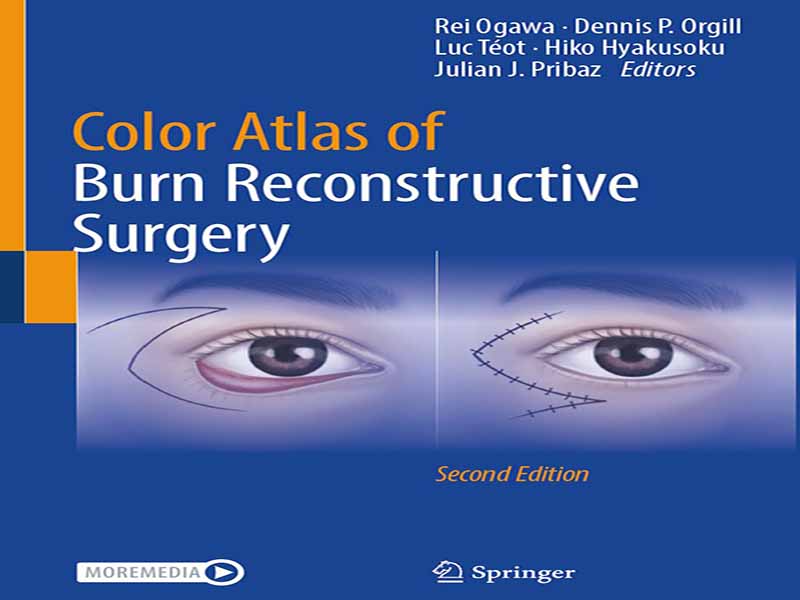
- عنوان کتاب: Essentials of Medical Microbiology for Undergraduates Students
- نویسنده: Rei Ogawa, Dennis P. Orgill, Luc Téot
- حوزه: سوختگی
- سال انتشار: 2025
- تعداد صفحه: 498
- زبان اصلی: انگلیسی
- نوع فایل: pdf
- حجم فایل: 43.5 مگابایت
جراحی ترمیمی سوختگی، به ویژه سوختگیهای گسترده، موضوعی است که نیازمند ایدهها و الهامات جراحان پلاستیک است. به طور سنتی، تصور میشود که تقریباً همه زخمهای سوختگی را میتوان با پیوند پوست ساده بازسازی کرد. با این حال، جراحی ترمیمی پیچیده مبتنی بر دانش روشهای مختلف جراحی برای دستیابی به نتایج بلندمدت قابل قبول از نظر عملکردی و زیبایی مورد نیاز است. مطالب این کتاب، دستورالعملهای ایدهآلی را برای جراحی ترمیمی سوختگی ارائه میدهد و توسط نویسندگانی از ۱۴ کشور مختلف ارائه شده است. به عبارت دیگر، این کتاب مجموعهای از جدیدترین فناوریها و استراتژیهای جراحی ارائه شده توسط جراحان پلاستیک است. من از زمانی که جراح پلاستیک شدم، درگیر جراحی ترمیمی سوختگیهای گسترده بودهام. من روشهای ترمیمی زیادی را توسعه دادهام و توانستهام این روشها را به صورت بالینی به کار ببرم. بازسازی سوختگی، ایدههای زیادی را برای توسعه روشهای جراحی فلپ به من داده است. علاوه بر این، متوجه شدهام که بازسازی سوختگی باید از طریق بسیج کامل دانش در مورد جراحی فلپ انجام شود و این حوزهای است که نیاز به توسعه مداوم روشهای جراحی دارد. با این حال، من با بسیاری از جراحان پلاستیک که روشهای جدید و نوآورانهای را انجام میدهند، ملاقات کردهام. این کتاب مجموعهای از این تجربیات جهانی است. امیدوارم این کتاب مزایای زیادی برای بیماران سوختگی در سراسر جهان داشته باشد. آسیب پوست ناشی از آسیبهای حرارتی، الکتریکی یا شیمیایی اثرات مخربی بر نتایج زیباییشناختی و عملکردی قربانیان سوختگی دارد. انگ بیماران سوختگی همچنان یکی از مخربترین آسیبهایی است که انسان میتواند از آن جان سالم به در ببرد. خوشبختانه، در طول 30 سال گذشته، پیشرفتهای همزمانی در زیستشناسی اسکار، علم مواد و دانش میکروآناتومی، تکنیکهای جراحی، پیوند و کشت سلولی وجود داشته است. در نتیجه، اکنون گزینههای درمانی زیادی در دسترس است که امید بیشتری به بیماران ما برای بازیابی عملکرد و بهبود تعاملات اجتماعی آنها میدهد. در این اطلس، دکتر اوگاوا متخصصان جهان را گرد هم آورده است تا مباحث مهم فلپهای فوقالعاده نازک، فلپهای پیشساخته، جایگزینهای پوستی و اپیدرمی و همچنین فناوریهای بسته شدن با کمک خلاء را بررسی کنند. این اطلس منبع مهمی برای جراحان پلاستیک شاغل و همچنین دانشجویان و رزیدنتهای در حال آموزش خواهد بود. نمونههای موجود در اطلس همچنین برای آموزش بیمار در مورد این تکنیکهای متنوع ارزشمند خواهد بود. سوختگیها نشاندهنده یک آسیبشناسی هستند که همچنان در میان سختترین زخمها برای التیام باقی ماندهاند. حتی اگر پیشرفتهای مهم در احیا باعث شده باشد که سطوح تهدیدکننده زندگی بدن در طول ۵۰ سال گذشته دچار پسرفت شوند، باید اذعان کرد که بازیابی عملکرد اصلی پس از سوختگیهای گسترده و عمیق، نیاز به یک دوره طولانی مبارزه با انقباضات، هیپرتروفی و کوتاه شدن بافت دارد. یک رویکرد چند رشتهای برای بازگشت به زندگی اجتماعی و کاری الزامی است، اما پوست برای بقیه عمر بیمار تغییر کرده است. توسعه میکروسکوپی در دهه ۸۰، و به دنبال آن فعالیت شدید در مطالعات آناتومیکی، میتواند آنژیوزومها و نقشهبرداریهای عروقی پوست، عضله، تاندون و استخوان را نشان دهد. از این دوران، انواع فلپها، از جمله فلپهای پیشساخته و سوراخکننده، به عنوان یک دیگ ذوب بنیادی و منبع فعالیت شدید برای جراحی پلاستیک و ترمیمی جدید، پیشنهاد شدند. این اطلس نحوه استفاده از آنها را در جراحی ترمیمی سوختگی شرح میدهد. در طول دهه گذشته، امکانات جراحی جایگزینی پوست بیشتر و بیشتر کارآمد میشود. پیشرفتهای اخیر در مهندسی بافت، که منجر به شباهتهای بیولوژیکی بیشتر با پوست طبیعی شده است، فضای جدیدی را برای تأمل و آزمایش، بر اساس تعاملات ماتریکس خارج سلولی سلولی از طریق سیتوکینها و فاکتورهای رشد، باز میکند. نیاز به ترمیم نتایج زیبایی سوختگیهای صورت همچنان یک چالش اجتماعی است و مطمئناً یک قرارداد بلندمدت برای نسل جدید متخصصان سوختگی و جراحان پلاستیک خواهد بود. هر جراح ترمیمی فکر میکند که بازسازی سوختگی مبتنی بر شواهد یک روش ایدهآل است؛ با این حال، هنوز این موضوع به طور قطعی اثبات نشده است. دلیل این امر ممکن است این باشد که هر زخم یا جای زخم منحصر به فرد است. علاوه بر این، رنگ، بافت، ضخامت و سختی پوست بسته به نژاد، سن، جنس و محل بدن انسان متفاوت است. بنابراین، ما مجبوریم روشهای درمانی را به صورت موردی و با توجه به تجربه محدود هر جراح انتخاب کنیم. در همین حال، در مرحله پایانی بازسازی، بخشهای بزرگی از عمل جراحی باید شامل عناصر جراحی زیبایی باشد. در این مرحله، اغراق نیست اگر بگوییم جراحی مبتنی بر شواهد مفید نیست. روشهای درمانی باید بر اساس حس زیباییشناسی و حساسیت پرورشیافته هر جراح انتخاب و اجرا شوند. جراحی مبتنی بر شواهد و بازسازی هنری، معضل بزرگی است که پیش روی هر جراح ترمیمی سوختگی قرار دارد. من معتقدم این کتاب که عنوان آن «اطلس رنگی جراحی ترمیمی سوختگی» است…
Reconstructive surgery of burns, especially of extensive burns, is a topic that requires the ideas and inspiration of plastic surgeons. Traditionally, it is considered that almost all burn wounds can be reconstructed using simple skin grafting. However, sophisticated reconstructive surgery based on knowledge of various surgical methods is needed to accomplish both functionally and cosmetically acceptable long-term results. The contents of this book represent ideal guidelines for burn reconstructive surgery and were provided by authors from 14 different countries. In other words, this book is the grand sum of the newest surgical technologies and strategies proposed by plastic surgeons. I have been involved in reconstruction surgery for extensive burns since I became a plastic surgeon. I have developed many reconstructive procedures and have been able to apply these methods clinically. Burn reconstruction has brought many thoughts to develop flap surgical methods to me. Moreover, I have realized that burn reconstruction should be accomplished via an all-out mobilization of knowledge on flap surgery and that this is an area that requires continual development of surgical methods. However, I have met many plastic surgeons who are performing novel and innovative methods. This book is a collection of these worldwide experiences. I hope that this book will provide great benefits for burn patients worldwide. Damage to skin from thermal, electrical or chemical injury has devastating effects on aesthetic and functional outcomes of burn victims. The stigmata of burn patients remains one of the most devastating injuries that man can survive. Fortunately, over the last 30 years, there have been simultaneous advances in scar biology, materials science and knowledge of microanatomy, surgical techniques, transplantation and cell culture. As a result there are now many treatment options available that give greater hope to our patients restoring function and improving their societal interactions. In this atlas, Dr. Ogawa has brought together the world’s experts to review the important topics of super-thin flaps, prefabricated flaps, dermal and epidermal replacements as well as vacuum-assisted closure technologies. This atlas will be an important resource for practicing plastic surgeons as well as students and residents in training. Examples in the atlas will also be valuable for patient education of these varied techniques. Burns represent a pathology remaining among the hardest to heal wounds. Even if important progresses in resuscitation allowed life-threatening body surfaces to regress during the last 50 years, force is to recognize that restoring the original function after extensive and deep burns re-quires a long period of fight against contractures, hypertrophy and tissue shortening. A multi-disciplinarity approach is mandatory to obtain a return to the social and working life, but skin has changed for the rest of the life of the patient. The development of microsurgery in the 80s, followed by an intense activity in anatomical studies, could evidence the angiosomes and the skin, muscle, tendon and bone vascular cartographies. From this era, all types of flaps were proposed, including prefabricated and perforator flaps, a founding melting pot and a source of intense activity for the new plastic and reconstructive surgery. This atlas details how to use them in burn reconstructive surgery. During the last decade, the surgical possibilities of dermal replacement becomes more and more efficient. The recent development of tissue engineering, leading to added biological similarities with the normal skin, opens a new space for reflexion and trials, based on cellextracellular matrix interactions via cytokines and growth factors. The need for repairing the cosmetic outcome of facial burns remains a social challenge and will certainly be a long-term contract for the new generation of burns specialists and plastic surgeons. Every reconstructive surgeon thinks that evidence-based burn reconstruction is an ideal method; however, it is yet to be established. The reason for this may be that every single wound or scar is unique. Moreover, the color, texture, thickness and hardness of the skin vary according to human race, age, sex and body site. Thus, we are forced to select treatment methods on a case-by-case basis according to the limited experience of each surgeon. Meanwhile, during the finishing stage of reconstruction, large parts of the surgical procedure should include elements of aesthetic surgery. In this stage, it may not be an exaggeration to state that evidence-based surgery is not beneficial. Treatment methods should be selected and performed based on the aesthetic sense and cultivated sensitivity of each surgeon. Evidence-based surgery and artistic reconstruction represent a big dilemma that is posed to every burn reconstructive surgeon. I believe this book, which is entitled Color Atlas of Burn Reconstructive Surgery, provides an answer for this particular dilemma. This answer may be the fusion of evidence-based surgery and artistic reconstruction. After reading this book, the surgeon will recognize what part of the reconstruction should be carried out using evidence-based surgery and what part should be performed artistically. We should not give up on the generation of evidence-based standardized protocols for patient safety or on the education of younger-generation surgeons. In addition, we should not neglect artistic reconstruction at any time. In this book, international authors who have wide perspectives in burn reconstructive surgery shared their own valuable experiences and concepts about the characteristics and indications of their methods. The contents include wound management, classification and evaluation of wounds/scars, various artistic and geometric methods and future treatment strategies from a regenerative medicine standpoint. I hope that this book will enhance the work of burn reconstructive surgeons and confer tremendous benefits to burn patients. I am delighted to announce the publication of the second edition of the Color Atlas of Burn Reconstructive Surgery, which was first published in 2010. Nearly 15 years have passed since the first edition, and the world has seen remarkable changes during this time. Advances in science and technology, such as artificial intelligence (AI) and virtual reality (VR), have been particularly striking. Similarly, medicine has undergone significant transformations. For example, molecularly targeted therapies have become commonplace for conditions such as cancer and other internal diseases. Globally, the number of burn victims has been decreasing. However, in certain regions, accidents and fires remain prevalent, resulting in many burn patients who require care. Encouragingly, there have been major advancements in burn treatment as well. New technologies have greatly improved the quality of initial care, and techniques for secondary reconstructive surgery have also advanced significantly. For this second edition, we invited specialists deeply experienced in burn care to share their expertise and insights. The book includes not only practical techniques that go beyond what can be learned from academic papers but also comprehensive overviews and detailed methodologies. I hope that this edition will help readers update their knowledge and contribute to saving the lives of countless burn patients. Finally, I would like to express my heartfelt gratitude to Lee Klein, who played an indispensable role from planning to editing, and to the entire team at Springer for their dedication and support.
این کتاب را میتوانید از لینک زیر بصورت رایگان دانلود کنید:
Download: Color Atlas of Burn Reconstructive Surgery, 2nd Edition






















نظرات کاربران