













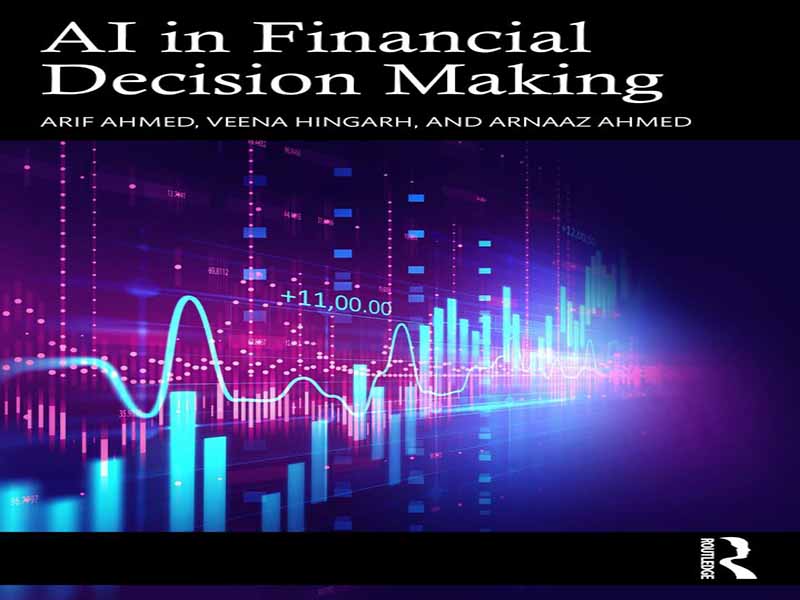
- عنوان کتاب: AI in Financial Decision Making
- نویسنده: Arif Ahmed Veena Hingarh Arnaaz Ahmed
- حوزه: امور مالی
- سال انتشار: 2026
- تعداد صفحه: 343
- زبان اصلی: انگلیسی
- نوع فایل: pdf
- حجم فایل: 6.09 مگابایت
هوش مصنوعی (AI) و یادگیری ماشین (ML) در حال متحول کردن تصمیمگیریهای مالی هستند. به ما بپیوندید تا نشان دهیم که تجزیه و تحلیل پیشرفته دیگر نیازی به دانش کدنویسی پیچیده یا سیستمهای پیشرفته ندارد. با ابزارهای Lo-code و کتابخانههای پایتون قابل دسترس، متخصصان مالی اکنون میتوانند تکنیکهای قدرتمندی را فقط با استفاده از لپتاپهای خود اعمال کنند. این فصل زمینه را برای کاربرد هوش مصنوعی/یادگیری ماشین در تصمیمگیریهای مالی فراهم میکند. تصمیمگیری مالی شامل یک فرآیند ساختاریافته است که در آن منابع مالی تحت کنترل یک نهاد برای به حداکثر رساندن ثروت استفاده میشوند. این ثروت در نهایت متعلق به سهامداران است. فرآیند تصمیمگیری در طول سالها تکامل یافته و سریعتر، کارآمدتر و دامنه وسیعتری پیدا کرده است. اتوماسیون و استفاده از تجزیه و تحلیل پیشرفته در فرآیند تصمیمگیری در سالهای اخیر برجسته شدهاند. هوش مصنوعی و یادگیری ماشین دو پیشرفت عمدهای هستند که بر فرآیند تصمیمگیری مالی تأثیر گذاشتهاند. هوش مصنوعی به طور گسترده به توانایی سیستمها برای انجام وظایفی اشاره دارد که معمولاً به هوش انسانی نیاز دارند. این وظایف شامل استدلال، حل مسئله، درک زبان، درک محیط و سایر وظایف مشابه میشود. از سوی دیگر، یادگیری ماشین زیرمجموعهای از هوش مصنوعی است که شامل الگوریتمهای آموزشی برای یادگیری الگوها از دادهها و تصمیمگیری بدون برنامهریزی صریح برای هر وظیفه است. این بدان معنا نیست که هیچ برنامهنویسی در کار نیست. پیچیدگیهای محاسباتی اصلی در منابع سیستم تعبیه شدهاند. کدنویسی صرفاً به فراخوانی منبع و تغذیه آن با داده محدود میشود. عملکرد این مدلها با پردازش دادههای بیشتر و بیشتر، به مرور زمان بهبود مییابد. ادغام هوش مصنوعی و یادگیری ماشین با تصمیمگیریهای مالی، صنعت را متحول میکند. این امر امکان ارزیابی سریعتر، آگاهانهتر و اغلب دقیقتر ریسک، فرصت و رفتار بازار را فراهم میکند. پلتفرمهای Lo-code این تکنیکهای تحلیلی پیشرفته را برای متخصصان مالی بدون تخصص برنامهنویسی در دسترس قرار میدهند. آنها با ارائه رابطهای بصری کشیدن و رها کردن، مدلهای از پیش ساخته شده و گردشهای کاری خودکار، مانع دانش را کاهش میدهند. این امر به متخصصان مالی اجازه داده است تا از فرآیندهای سفت و سخت و مبتنی بر قانون به تصمیمگیریهای انعطافپذیرتر و مبتنی بر داده روی آورند. در این کتاب، ما به دقت مسائل تجاری را که میتوان توسط ابزارهای مختلف هوش مصنوعی و یادگیری ماشین به آنها پرداخت، بررسی خواهیم کرد. نگران نباشید، لازم نیست برای استفاده از این ابزارها یک کدنویس متخصص باشید و تا زمانی که درک کاملی از این حوزه داشته باشید، میتوانید از آن استفاده کنید.
Artificial Intelligence (AI) and Machine Learning (ML) are transforming financial decision-making. Join us as we demonstrate that advanced analytics no longer requires complex coding knowledge or high-end systems. With Lo-code tools and accessible Python libraries, finance professionals can now apply powerful techniques using just their laptops. This chapter sets the stage for the application of AI/ML in financial decision-making. Financial decision-making involves a structured process where financial resources controlled by an entity are utilized to maximize wealth. This wealth ultimately belongs to the shareholders. The decision-making process has evolved over the years, becoming quicker, more efficient, and broader in scope. Automation and the use of advanced analytics in the decision-making process have gained prominence in recent years. AI and ML are two major developments that have influenced the financial decision-making process. AI broadly refers to the capability of systems to perform tasks that typically require human intelligence. These would include reasoning, problem-solving, understanding language, perceiving environments, and other similar tasks. ML, on the other hand, is a subset of AI that involves training algorithms to learn patterns from data and make predictions or decisions without being explicitly programmed for each task. This does not mean that there is no programming involved. The main computational complexities are built into system resources. Coding is simply limited to invoking the resource and feeding it with data. The performance of these models improves over time as they process more and more data. The integration of AI and ML with financial decision-making is transforming the industry. It allows faster, more informed, and often more accurate assessments of risk, opportunity, and market behavior. Lo-code platforms are making these advanced analytical techniques accessible to finance professionals without programming expertise. They are lowering the knowledge barrier by providing intuitive drag-and-drop interfaces, pre-built models, and automated workflows. This has allowed finance professionals to move away from rigid, rule-based processes to more flexible, data-driven decision-making. In this book, we will closely examine business issues that can be addressed by various AI and ML tools. Do not worry, you do not need to be an expert coder to use these tools, and as long as you have a thorough understanding of the domain, you are good to go.
این کتاب را میتوانید از لینک زیر بصورت رایگان دانلود کنید:
Download: AI in Financial Decision Making





















نظرات کاربران