












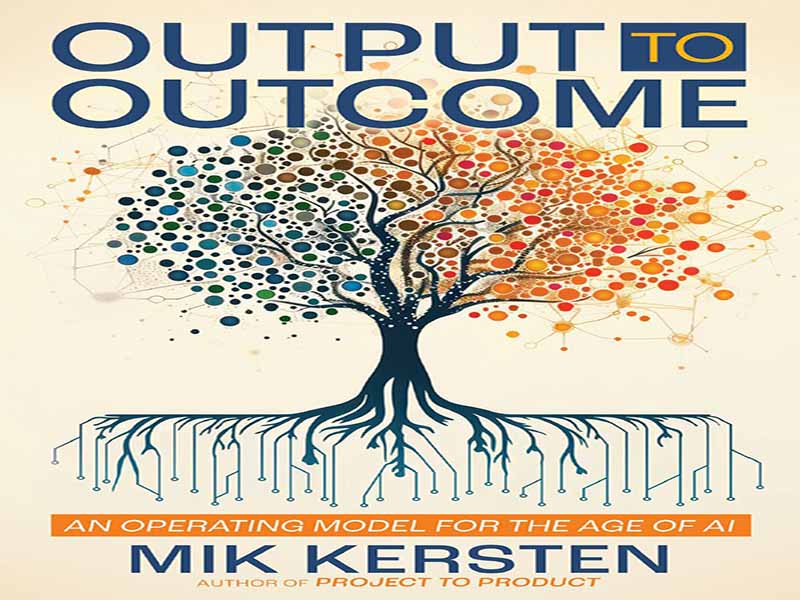
- عنوان کتاب: Output to Outcome -An Operating Model for the Age of AI
- نویسنده: Mik Kersten
- حوزه: نتیجه محور
- سال انتشار: 2026
- تعداد صفحه: 381
- زبان اصلی: انگلیسی
- نوع فایل: pdf
- حجم فایل: 11.7 مگابایت
“این پایان کدنویسی به عنوان یک حرفه است.” آن کلماتی که راد جانسون گفته بود، مدام در ذهنم زنگ می زد. ژانویه 2023 بود، و ما در حال به اشتراک گذاشتن این بودیم که ChatGPT 3.5 اخیراً منتشر شده چقدر در کار با کد خوب است. راد یکی از معروفترین و پرکارترین توسعهدهندگان و کارآفرینان منبع باز است، و اظهارات او نه از آنچه ChatGPT میتوانست در آن زمان انجام دهد، بلکه از برونیابی نرخ پیشرفتی که قرار بود انجام دهد، ناشی میشود. من با اظهارات او موافقت کردم و به بحث در مورد چارچوب زمانی اختلال پرداختیم. ما تا به امروز به بحث در مورد تماس های خود ادامه می دهیم. تقریباً طعنه آمیز، راد اکنون بیش از آنچه که از ابتدای کار خود داشته است، کد می نویسد، که توسط استارتاپ جدیدش تقویت شده است، که به توسعه دهندگان کمک می کند عوامل هوش مصنوعی را برای تکامل سیستم های نرم افزاری بسیار پیچیده اتخاذ کنند. تکامل توسعه نرمافزار یک چالش بزرگ است، زیرا این یکی از اولین و آسانترین حوزههای کار دانش برای خودکارسازی هوش مصنوعی بوده است. شاید همین دیروز به نظر برسد که مشاغل، تیمها و سازمانهای ما بالاخره در مسیر تسلط بر ارائه نرمافزار و تجارب دیجیتال پیشرفت کردند. این سفر اکنون به دلیل تغییر هوش مصنوعی در اقتصاد تولید دیجیتال کاملاً تغییر کرده است. از آغاز عصر دیجیتال، نرمافزار و فناوری یک محدودیت کلیدی برای موفقیت سازمان بودهاند و نسلی از ابزارها و متدولوژیهای بهرهوری توسعهدهندگان به دنبال آن بودهاند.
“This is the end of coding as a profession.” Those words, spoken by Rod Johnson, kept ringing in my head. It was January 2023, and we were sharing our awe of how good the recently released ChatGPT 3.5 was at working with code. Rod is one of the most well-known and prolific open-source developers and entrepreneurs, and his statement came not from what ChatGPT could do at that time, but from extrapolating the rate of improvement that was to come. I agreed with his statement, and we proceeded to debate the timeframe of the disruption. We continue to debate on our calls to this day. Almost ironically, Rod is now writing more code than he has since the start of his career, reinvigorated by his new startup, which helps developers adopt AI agents for evolving highly complex software systems. The evolution of software development is a bellwether, as this has been one of the first and easiest knowledge work domains for AI to automate. It may seem like only yesterday that our careers, teams, and organizations were finally making progress on the path of mastering software delivery and digital experiences. That journey has now been upended entirely by the way AI changes the economics of digital production. Since the dawn of the digital age, software and technology have been a key constraint to organizational success, and a generation of developer productivity tools and methodologies followed. For the first two decades of this century, I thought of myself and my team of software developers as akin to thoroughbred horses running at breakneck speed. We were creating amazing software architectures, products, and tools. I had the great experience of building an innovative, successful, and fun business around these teams of thoroughbred horses. I learned to love the craft of coding and then of leading and nurturing high-performance people and teams. And then I learned that the equivalent of the steam engine had been invented and that we would no longer need horses. This is a time of high uncertainty about the future of careers, organizations, the workforce, and the economy. There are a range of scenarios for how AI will impact our lives and how bumpy that ride will be. What is clear is that the pace of change is moving faster than it did in previous technological revolutions, as this time it is human intelligence itself that is being disrupted. Those organizations that are able to wield the power of this disruption will eclipse those that move too slowly. I believe we are still in the early days of the benefits that technology and software can provide to society and that the broader and more diverse the set of organizations behind those technologies, the better off we will be. I hope this book becomes your guide to harnessing AI for lasting humancentric outcomes that help shape a future where your organization is able to control and leverage AI in ways that benefit your customers, your staff, and society.
این کتاب را میتوانید از لینک زیر بصورت رایگان دانلود کنید:
Download: Output to Outcome


























نظرات کاربران