













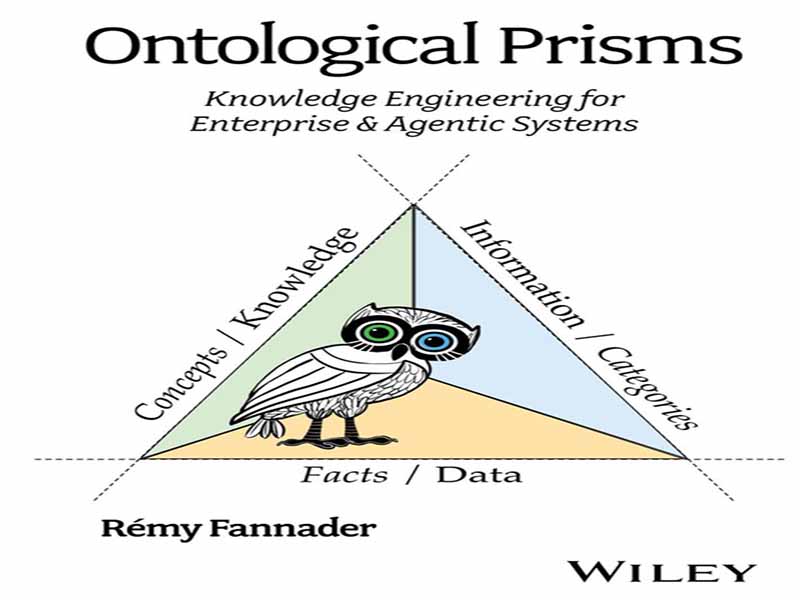
- عنوان کتاب: Ontological Prisms -Knowledge Engineering for Enterprise Agentic Systems
- نویسنده: Remy Fannader
- حوزه: آنتولوژی
- سال انتشار: 2026
- تعداد صفحه: 349
- زبان اصلی: انگلیسی
- نوع فایل: pdf
- حجم فایل: 11.3 مگابایت
هستیشناسیها تعهدات دانش هستند. به عنوان تعهدات، آنها باید به نوعی بازنمایی نمادین مورد توافق تکیه کنند. هستیشناسیها هنگام پرداختن به دانش میتوانند بر حوزههای خاص تمرکز کنند یا موجودیتهای بنیادی را هدف قرار دهند. هر دو رویکرد خاص و بنیادی مبتنی بر این فرض هستند که حقایق ذاتی میتوانند به طور جهانی مورد توافق قرار گیرند. در ابتدا، این اقدام ممکن است هم مشروع و هم واقعبینانه به نظر برسد، تا زمانی که موجودیتهای به اصطلاح بنیادی و چیزهای واقعی باید با هم تطبیق داده شوند. سپس واقعیتها سرکش میشوند و نکته خود را بیان میکنند: حقیقت یک مسئله ایمانی است و صرف نظر از اینکه هستیشناسان و مؤمنان چه فکر کنند، ایمانها ذاتاً منحصر به فرد هستند. بر این اساس، این کتاب یک رویکرد دکارتی عملگرا را اتخاذ میکند که تحت حاکمیت شک است. به جای دنبال کردن رنگینکمانهای هستیشناختی، یک چارچوب هستیشناختی را معرفی میکند که امکان نگاشتهای شناختی از قلمروها را فراهم میکند و یک قطبنمای قابل اعتماد برای پیمایش کهکشانهای حقایق، مفاهیم و دستهها فراهم میکند. به طور انتقادیتر، منشورهای هستیشناختی امکان مهندسی جهانی دانش را فراهم میکنند و میتوانند به عنوان طرحهایی برای شناخت عاملی عمل کنند. منشورهای هستیشناختی توسط دیدگاههای فلسفی، شناختی و عملکردی قاببندی میشوند. از منظر فلسفی، همراه با ندانمگرایی دکارتی که در بالا ذکر شد، منشورهای هستیشناختی چند اصل را از لودویگ ویتگنشتاین وام میگیرند. اولاً، آنها نه چندان درباره هستیشناسیها، بلکه درباره چارچوبی جهانی هستند که میتواند از توسعه هستیشناسیهای ممکن پشتیبانی کند. سپس، با فاصله گرفتن از سنتهای وجودی-پدیدارشناختی و تحلیلی، تمرکز از چیزها و موجودات به واقعیتها منتقل میشود، با تمایز آشکار بین دانش و قابلیتهای صوری و معنایی زبانها. در نهایت، دستهها با واقعیتها و مفاهیم در هم آمیخته میشوند تا به دغدغههای استدلال و مهندسی بپردازند. از منظر شناختی، منشورهای هستیشناختی با مخالفتشان با اصول ذهنهای غیرجسمانی و نظریه تطابق حقیقت تعریف میشوند. دلیلش این است که فرض اینکه ذهنها مفاهیم را مستقل از واقعیت بیولوژیکی خود تولید میکنند، از پیش هرگونه رابطهای بین شناخت پیوندگرا و نمادین را انکار میکند. به همین ترتیب، منشورهای هستیشناختی جایی برای تطابق ذاتی بین نام مفاهیم و ذات آنها نمیگذارند. مفاهیم، چه به عنوان تصاویر ذهنی و چه به عنوان مصنوعات نمادین، محصولات فرهنگی انسان هستند و هیچ دلیلی برای فرض هرگونه پیوستگی ذاتی بین نمادها و مفاهیم وجود ندارد. از این رو، این کتاب در مورد شناخت و دانش، دیدگاه جمعی را اتخاذ کرده است. از منظر کارکردی، هدف توصیف یک رویکرد جهانی به مهندسی دانش است، همانطور که توسط دیویس، شروب و سولوویتس در مقاله اصلی خود تعریف شده است (به کتابشناسی مراجعه کنید): ۱. جایگزینها: مدیریت همتایان نمادین اشیاء، رویدادها و روابط شناسایی شده در متن و مربوط به نگرانیها. ۲. تعهدات هستیشناختی: حفظ مجموعهای از گزارههای سازگار در مورد دستههای چیزهایی که ممکن است در حوزههای مورد بررسی وجود داشته باشند. ۳. نظریه قطعه قطعه استدلال هوشمند: از بازنماییهای عملی از آنچه چیزها میتوانند انجام دهند یا میتوانند با آن انجام شوند، پشتیبانی میکند. ۴. واسطهای برای محاسبات کارآمد: دانش را برای رایانهها قابل فهم میکند و از منحنیهای یادگیری روان پشتیبانی میکند. ۵. واسطهای برای بیان انسانی: ارتباط بین متخصصان حوزه خاص و مدیران دانش عمومی را بهبود میبخشد. این کتاب در سه بخش سازماندهی شده است. بخش اول، مبانی نظری منشورهای هستیشناختی (فصل 1)، معماری سهگانه آنها (فصل 2)، قابلیت همکاری (فصل 3) و ادغام آنها در سازمانها (فصل 4) را ارائه میدهد. بخش دوم، دیدگاهی کاربردی دارد و بر قابلیتهای شناختی اصلی منشورهای هستیشناختی تمرکز میکند: زبان (فصل 5)، استدلال (فصل 6) و تصمیمگیری (فصل 7). بخش سوم، مزایای منشورهای هستیشناختی را در رابطه با مهندسی سیستمها (فصل 8) و دانش (فصل 9) بررسی میکند. فصل 10، یک هسته OWL را معرفی میکند که منشورهای هستیشناختی را با استفاده از پلتفرم آنلاین Protégé پیادهسازی میکند. در نهایت، دو نکته احتیاطی. اول، در راستای اهداف آگنوستیک و جهانی خود، این کتاب تعاریف جهانی را هدف قرار نمیدهد، بلکه تعاریف واضح و بدون ابهامی را انتخاب میکند که میتوانند به طور مؤثر، مداوم و جامع مورد استفاده قرار گیرند. سپس، خوانندگان باید آگاه باشند که مهندسی دانش یک فعالیت مهدکودکی نیست، زیرا دلیل وجودی آن پرداختن به پیچیدگی قلمروهای ناشناخته است.
Ontologies are knowledge commitments. As commitments, they must rely on some agreed-upon symbolic representation. When addressing knowledge, ontologies can focus on specific domains or aim at fundamental entities. Both specific and fundamental approaches are based on the assumption that inherent truths can be universally agreed upon. At first, this undertaking may seem both legitimate and realistic, until allegedly fundamental entities and actual things must be reconciled. Then facts turn rebellious and make their point: truth is a matter of faith, and whatever ontologists and believers may think, faiths are, by nature, singular. On that account, this book adopts a pragmatic Cartesian approach governed by doubt. Instead of pursuing ontological rainbows, it introduces an ontological framework that allows for cognizant mappings of territories and provides a reliable compass to navigate the galaxies of facts, concepts, and categories. More critically, ontological prisms allow for the ecumenical engineering of knowledge and can serve as blueprints for agentic cognition. Ontological prisms are framed by philosophical, cognitive, and functional perspectives. From a philosophical perspective, along with the Cartesian agnosticism mentioned above, ontological prisms borrow a few tenets from Ludwig Wittgenstein. First, they are not so much about ontologies as about an ecumenical framework that could support the development of possible ontologies. Then, distancing itself from existential-phenomenological and analytical traditions, the focus is shifted from things and beings to facts, with an explicit distinction between knowledge and the formal and semantic capabilities of languages. Finally, categories are crossed with facts and concepts in order to address reasoning and engineering concerns. From a cognitive perspective, ontological prisms are defined by their opposition to the tenets of disembodied minds and the correspondence theory of truth. That’s because assuming that minds produce concepts independently of their biological reality would a priori deny any relationship between connectionist and symbolic cognition. Likewise, ontological prisms allow no room for an inherent correspondence between the names of concepts and their essence. Concepts, whether as mental images or symbolic artifacts, are human cultural products, and there is no reason to assume any kind of inherent attachment between symbols and concepts. Hence, the collective perspective is adopted by this book regarding cognition and knowledge. From a functional perspective, the objective is to describe an ecumenical approach to the engineering of knowledge as defined by Davis, Shrobe, and Szolovits in their seminal paper (see bibliography): 1. Surrogates: manage the symbolic counterparts of objects, events and relationships identified in context and pertaining to concerns. 2. Ontological commitments: maintain a set of consistent statements about the categories of things that may exist in the domains under consideration. 3. Fragmentary theory of intelligent reasoning: supports actionable representations of what the things can do or can be done with. 4. Medium for efficient computation: make knowledge understandable by computers and support smooth learning curves. 5. Medium for human expression: improves the communication between specific domain experts and generic knowledge managers. The book is organized into three parts. The first part presents the theoretical foundations of ontological prisms (Chapter 1), their three-pronged architecture (Chapter 2), interoperability (Chapter 3), and their integration within organizations (Chapter 4). The second part takes a functional perspective and focuses on the major cognitive capabilities of ontological prisms: language (Chapter 5), reasoning (Chapter 6), and decision-making (Chapter 7). The third part considers the benefits of ontological prisms in relation to systems (Chapter 8) and knowledge (Chapter 9) engineering. Chapter 10 introduces an OWL kernel that implements ontological prisms using the Protégé online platform. Finally, two cautionary remarks. First, in line with its agnostic and ecumenical objectives, this book will not aim for universal definitions but will instead opt for clear and unambiguous ones that can be used effectively, consistently, and comprehensively. Then, readers must be aware that the engineering of knowledge is not a kindergarten activity, as its raison d’être is to address the complexity of uncharted territories.
این کتاب را میتوانید از لینک زیر بصورت رایگان دانلود کنید:
Download: Ontological Prisms
























نظرات کاربران