












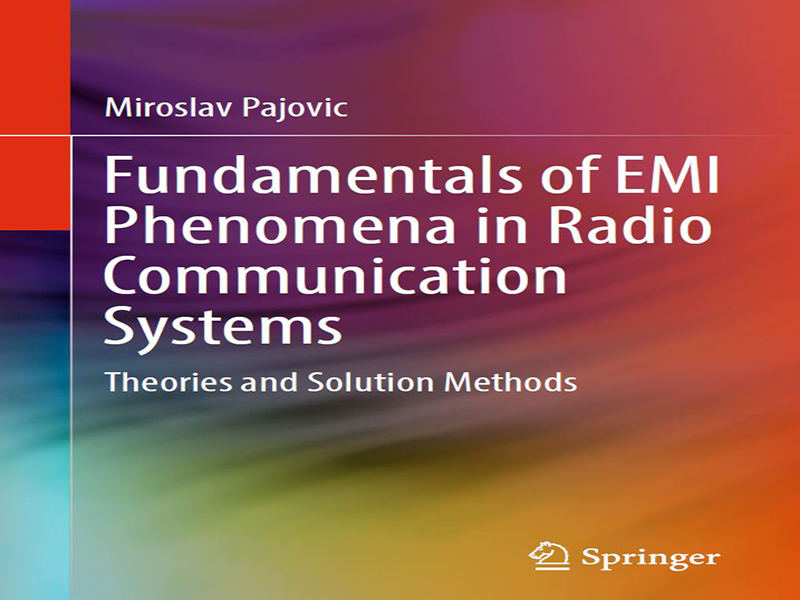
- عنوان کتاب: Fundamentals of EMI Phenomena in Radio Communication Systems Theories and Solution Methods
- نویسنده: Miroslav Pajovic
- حوزه: ارتباطات رادیویی
- سال انتشار: 2026
- تعداد صفحه: 456
- زبان اصلی: انگلیسی
- نوع فایل: pdf
- حجم فایل: 11.9 مگابایت
این کتاب مروری بر مباحث مرتبط با تداخل الکترومغناطیسی (EMI) با اصول و راهحلهای الکترومغناطیسی برای درک بهتر و کنترل مؤثر اثرات نامطلوب تداخل الکترومغناطیسی (EMI) در سیستمهای ارتباطی رادیویی مدرن ارائه میدهد. انتظار میرود که در آینده، EMI به یک مشکل نگرانکننده تبدیل شود. رشد سریع تعداد و پیچیدگی سیستمهای بیسیم رادیویی و فناوری اطلاعات در محیط ما باعث افزایش انتشار EMI شده است که معمولاً منجر به تخریب عملکرد و محدودیتهای عملیاتی سیستمهای ارتباطی رادیویی و فناوری اطلاعات میشود. این امر به ویژه در شبکههای سلولی تلفن همراه 4G-LTE و 5G-NR که به سرعت در حال رشد هستند، از جمله شبکههای WLAN، WIFI، ماشین به ماشین و اینترنت اشیا (IoT) و سایر شبکههای رادیویی بیسیم، بسیار مهم است. این کتاب مهندسی میتواند برای پرسنل فنی که در برنامهریزی، طراحی یا نگهداری تجهیزات و سیستمهای رادیویی مشارکت دارند و تخصص آنها در حوزه مهندسی EMI نیست، مفید باشد. این کتاب همچنین میتواند برای دانشجویان دانشگاه، مهندسان شاغل و سایر علاقهمندان به کشف بیشتر در مورد منشأ و اثرات پدیدههای EMI در سیستمهای ارتباطی رادیویی امروزی مفید باشد. از نظر تاریخی، تداخل الکترومغناطیسی (EMI) یا تداخل فرکانس رادیویی (RFI) یک پدیده قدیمی EMI بوده است که بیش از یک قرن وجود داشته است و با استفاده از امواج الکترومغناطیسی رادیویی به عنوان یک رسانه ارتباطی آغاز شد. بعدها، با اختراع و استفاده گسترده از تجهیزات دیجیتال و رایانهای، مدارهای الکترونیک قدرت، منابع تغذیه سوئیچینگ، خطوط انتقال قدرت و سیگنال گسترده و ماشینآلات و ابزارهای الکتریکی پر سر و صدای مختلف، به اصطلاح تداخل الکترومغناطیسی غیرعمدی (یا تصادفی) ساخته دست بشر ایجاد شد. علاوه بر EMI ساخته دست بشر، تداخلهای غیرعمدی دیگری نیز وجود دارد، مانند الکترواستاتیک طبیعی و EMI ناشی از رعد و برق، تابش خورشیدی و سایر تابشهای کیهانی. در مورد محل وجود و عملکرد EMI، میتوانیم دو سطح از انتشار EMI را در نظر بگیریم: سطح مدار (یا سطح برد مدار چاپی) و EMI سطح سیستم. دامنه و تمرکز اصلی این کتاب بر EMI سطح سیستم است، در حالی که سطح EMI مدار در کتابهای درسی و مقالات حرفهای منتشر شده بیشتر مورد توجه قرار گرفته است. این کتاب در چهار بخش و 13 فصل سازماندهی شده است تا بینش عمیقتری در مورد مکانیسم پدیدههای EMI در سیستمهای بیسیم رادیویی ارائه دهد. پیوستهای الف، ب و ج در انتهای کتاب اضافه شدهاند که اصول و قوانین اساسی الکترومغناطیسی مربوط به درک منشأ و اثرات پدیدههای EMI در سیستمهای رادیویی را بررسی میکنند. پیوست الف، فیزیک قوانین اساسی الکترومغناطیسی (فارادی، آمپر، گاوس، اهم و سایر قوانین) را که توسط معادلات ماکسول اداره میشوند، ارائه میدهد. پیوست ب مروری بر امواج و تشعشعات الکترومغناطیسی در فضای باز ارائه میدهد، در حالی که پیوست ج، فیزیک اساسی امواج هدایتشده توسط خطوط انتقال و موجبرها را شرح میدهد. بخش اول، با عنوان مقدمهای بر پدیدههای EMI، شامل فصلهای «مفهوم کلی و انواع انتشار EMI»، «سیگنالهای دیجیتال و پالسی، متغیرهای تصادفی و فرآیندهای تصادفی» و «اجزای مدار غیرفعال غیرایدهآل» است. فصل «مفهوم کلی و انواع انتشار EMI» مفاهیم کلی و انواع انتشار EMI را ارائه و توصیف میکند، در حالی که فصل «سیگنالهای دیجیتال و پالس، متغیرهای تصادفی و فرآیندهای تصادفی» اصول سیگنالها و طیفهای دیجیتال، متغیرهای تصادفی و فرآیندهای تصادفی را ارائه میدهد که برای مطالعه و پیشبینی پدیدههای EMI در سیستمهای ارتباطات رادیویی ضروری هستند. فصل «اجزای مدار غیرفعال غیر ایدهآل» ماهیت رساناها و اجزای مدار غیر ایدهآل (واقعبینانه) را که مستقیماً با انتشار EMI مرتبط هستند، شرح میدهد. بخش دوم، با عنوان سیستمهای ارتباطات رادیویی در مورد پدیدههای EMI، شامل فصلهای «مقدمهای بر سیستمهای ارتباطات دیجیتال»، «عملکرد سیستمهای دیجیتال رادیویی در حضور EMI»، «مروری بر سیستمهای رادیویی پهن باند با مصونیت EMI بالا»، «مروری بر سیستمهای رادیویی موبایل 4G-LTE و 5G-NR از EMI Prospect» و «عملکرد کابلهای RF و خطوط سیگنال IT در سیستمهای رادیویی با EMI» است. فصل «مقدمهای بر سیستمهای ارتباطی دیجیتال» مقدمهای بر ارتباطات دیجیتال است، در حالی که فصل «عملکرد سیستمهای رادیویی دیجیتال در حضور EMI» عملکرد سیستمهای رادیویی دیجیتال را در حضور محوشدگی و EMI شرح میدهد. فصل «مروری بر سیستمهای رادیویی پهنباند با مصونیت بالا در برابر EMI» مفاهیم سیستمهای پهنباند، چندحاملی و چندکاربره با مصونیت بالا در برابر EMI، مانند OFDM، تکنیکهای طیف گسترده (CDMA، DDSS، FHSS)، سیستمهای MIMO و رادیوی تعریفشده با نرمافزار تطبیقی (ASDR) را مرور میکند. فصل «مروری بر سیستمهای رادیویی موبایل 4G-LTE و 5G-NR از دیدگاه EMI Prospect» مروری بر شبکههای تلفن همراه موبایل 4G-LTE و 5G-NR از دیدگاه EMI ارائه میدهد. در پایان بخش دوم، فصل «عملکرد کابلهای RF و خطوط سیگنال IT در سیستمهای رادیویی با EMI» عملکرد کابلها و خطوط سیگنال RF را به عنوان یک عامل مهم ارائه میدهد.
This book provides an overview of the most EMI-related topics with electromagnetic principles and solutions for better understanding and effectively controlling the adverse effects of electromagnetic interference (EMI) in modern radio communication systems. To be more expected in the future, EMI has become an alarming problem. The rapid growth of the number and complexity of radio wireless and IT systems in our environment has caused increasing EMI emissions, which usually results in performance degradation and operation limitations of radio communication and IT systems. This is especially critical in fast-growing 4G-LTE and 5G-NR mobile cellular networks, including WLAN, WIFI, machine-to-machine and Internet of Things (IoT) networks, among other wireless radio networks. This engineering book can be helpful to technical personnel, who are involved in planning, designing, or maintaining radio equipment and systems and whose expertise is not in the EMI engineering area. The book can also benefit university students, practicing engineers, and others interested in discovering more about the origins and effects of EMI phenomena in today’s radio communication systems. Historically, EMI or radio frequency interference (RFI) has been an old EMI phenomenon that has existed for over a century, beginning with the use of radio electromagnetic waves as a communication medium. Later, with the invention and massive use of digital and computer equipment, power electronic circuits, switching power supplies, extended power and signal transmission lines, and various noisy electrical machinery and tools, so-called unintentional (or accidental) man-made EMIs were created. In addition to the manmade EMI, other unintentional interferences exist, such as natural electrostatic and EMI caused by lightning, solar, and other cosmic radiation. Regarding where EMI exists and acts, we can consider two levels of EMI emissions: the circuit level (or the print circuit board level) and the system-level EMI. The primary scope and focus of this book are on the system-level EMI, whereas the circuit EMI level is considered well in more published professional and textbooks and articles. This book is organized into four parts and 13 chapters to provide more profound insight into the mechanism of EMI phenomena in radio wireless systems. Appendixes A, B, and C have been added at the book end, which reviews fundamental electromagnetic principles and laws relevant to understanding the origins and effects of EMI phenomena in radio systems. Appendix A provides the physics of constitutional electromagnetic laws (Faraday’s, Ampere’s, Gauss’s, Ohm’s, and others), governed by Maxwell’s equations. Appendix B provides an overview of electromagnetic waves and radiators in open space, whereas Appendix C describes the fundamental physics of guided waves by transmission lines and waveguides. Part I, titled the Introduction to EMI Phenomena, contains Chapters “General Concept and Types of EMI Emissions”, “Digital and Pulse Signals, Random Variables, and Stochastic Processes”, and “Nonideal Passive Circuit Components”. Chapter “General Concept and Types of EMI Emissions” presents and describes the general concepts and types of EMI emissions, while Chapter “Digital and Pulse Signals, Random Variables, and Stochastic Processes” presents the fundamentals of digital signals and spectra, random variables, and stochastic processes, which are essential for studying and predicting EMI phenomena in radio communication systems. Chapter “Nonideal Passive Circuit Components” describes the nature of nonperfect (realistic) conductors and circuit components, which are directly linked to EMI emissions. Part II, titled Radio Communication Systems Concerning EMI Phenomena, contains Chapters “Introduction to Digital Communication Systems”, “Performance of Radio Digital Systems in Presence of EMI”, “Overview of Broadband Radio Systems with High EMI Immunity”, “Overview of 4G-LTE and 5G-NR Mobile Radio Systems from EMI Prospect”, and “Performance of RF Cables and IT Signals Lines in Radio Systems with EMI”. Chapter “Introduction to Digital Communication Systems” is an introduction to digital communications, while Chapter “Performance of Radio Digital Systems in Presence of EMI” describes the performance of radio digital systems in the presence of fadings and EMI. Chapter “Overview of Broadband Radio Systems with High EMI Immunity” overviews the concepts of broadband, multicarrier, and multiuser systems with high immunity to EMI, such as OFDM, Spread Spectrum techniques (CDMA, DDSS, FHSS), MIMO systems, and Adaptive Software Defined Radio (ASDR). Chapter “Overview of 4G-LTE and 5G-NR Mobile Radio Systems from EMI Prospect” provides an overview of the 4G-LTE and 5G-NR mobile cellular networks from the EMI perspective. At the end of Part II, Chapter “Performance of RF Cables and IT Signals Lines in Radio Systems with EMI” presents the performance of RF signal cables and lines as significant sources and victims of the EMI in radio communication systems. Part III, titled Conventional Methods for EMI Control in Radio Systems, contains Chapters “EMI Filters: Theory and Design”, “EMI Shielding for Radio Equipment”, and “Grounding for Radio Systems and Facilities”. Chapter “EMI Filters: Theory and Design” considers the concepts and applications of EMI filters, Chapter “EMI Shielding for Radio Equipment” describes EMI shielding for radio equipment, and Chapter “Grounding for Radio Systems and Facilities” presents grounding systems for radio equipment and facilities.
این کتاب را میتوانید از لینک زیر بصورت رایگان دانلود کنید:
Download: Fundamentals of EMI Phenomena in Radio Communication Systems Theories and Solution Methods
























نظرات کاربران