













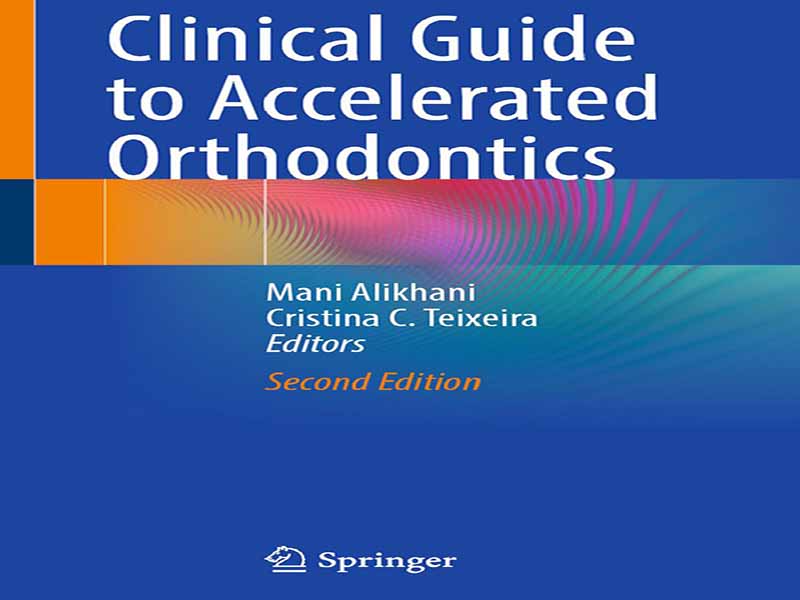
- عنوان کتاب: Clinical Guide to Accelerated Orthodontics
- نویسنده: Mani Alikhani, Cristina C. Teixeira
- حوزه: دندانپزشکی
- سال انتشار: 2026
- تعداد صفحه: 166
- زبان اصلی: انگلیسی
- نوع فایل: pdf
- حجم فایل: 5.63 مگابایت
ارتودنتیستها مدتهاست که به دنبال راههایی برای کاهش زمان درمان هستند. با این حال، در طول چند سال گذشته، افزایش قابل توجهی در تحقیقات با هدف یافتن تکنیکهای جدید برای تسریع سرعت حرکت دندانها مشاهده شده است. به دلیل این موج جدید علاقه، اصطلاح ارتودنسی تسریعشده در مقالات رایج شده است و سوراخهای میکرو-استئو، که با نام MOP نیز شناخته میشوند، رویکردی شناختهشده در این زمینه است. بنابراین، ویرایش دوم این کتاب در مورد ارتودنسی تسریعشده همچنان بر سوراخهای میکرو-استئو به عنوان متنوعترین، ایمنترین و دارای پشتوانه علمی برای افزایش سرعت حرکت دندان در زمان و مکان لازم تمرکز دارد. مانند هر ایده جدیدی، در مورد سوراخهای میکرو-استئو در مقالات و در بین پزشکان اختلاف نظرهای قابل توجهی وجود داشته است. در حالی که بسیاری از پزشکان قبلاً این تکنیک را با موفقیت به کار گرفتهاند، برخی در مورد گنجاندن آن در عمل خود مردد هستند. مقاومت در برابر کاربرد این تکنیک چند عاملی است. یکی از عوامل اصلی، تمایل به رد هرگونه ایده جدید است که مستلزم تغییر روال کار پزشکان و یادگیری تکنیکهای جدید است. این مقاومت در مطالعاتی که افزایش قابل توجهی در میزان حرکت در پاسخ به کاربرد MOPها نشان میدهند، آشکار میشود، در حالی که نویسندگان نتیجه میگیرند که این افزایش از نظر بالینی قابل توجه نیست. با این حال، مقاومت اولیه در استفاده از MOPها ناشی از عدم درک زیستشناسی حرکت دندان است. MOPها را نباید به عنوان یک تکنیک در نظر گرفت، بلکه باید به عنوان تقویت زیستشناسی حرکت دندان در نظر گرفت که نمیتوان آن را انکار کرد. با گسترش درک ما از زیستشناسی حرکت دندان، کیفیت مطالعات و تحقیقات در مورد MOPها نیز بهبود قابل توجهی را نشان داده است. این بهبود در روند صدها مطالعه انجام شده بر روی MOPها در چند سال گذشته مشهود است. در حالی که کارهای اولیه در درجه اول با هدف تأیید یا رد اثرات MOPها انجام شده است، کارهای اخیر بر کاربرد بالینی پاسخ بیولوژیکی تقویت شده تحریک شده توسط MOPها تمرکز دارند. توجه به این نکته ضروری است که افزایش بالینی میزان حرکت دندان در زمانی که بیمار واکنش بیولوژیکی طبیعی دارد، ضروری نیست. با این حال، در شرایطی که در این کتاب به تفصیل مورد بحث قرار خواهد گرفت، زمانی که میزان حرکت به طور قابل توجهی مختل شده است، MOPها میتوانند بسیار مفید باشند. علاوه بر این، افزایش سرعت واکنش بیولوژیکی لزوماً به معنای کوتاهتر شدن مدت درمان نیست. مدت زمان درمان ارتودنسی چند عاملی است و به طور قابل توجهی به انگیزه بیمار، دانش پزشک از مکانیک و زیستشناسی، زمان اختصاص داده شده به درمان بیماران و تعداد دفعات ویزیت بستگی دارد. تمرکز این کتاب درک زیستشناسی پشت MOPها و نحوه استفاده از آنها برای بهینهسازی نتایج ارتودنسی است. بنابراین، بحث در مورد مکانیک و سایر عواملی که ممکن است بر مدت زمان درمان تأثیر بگذارند، موضوع اصلی این کتاب نیست. این ویرایش جدید به دو بخش تقسیم شده است. از آنجایی که درک بیولوژیکی دقیقی برای ارتودنسی تسریعشده مورد نیاز است، بخش اول این کتاب بر بررسی مفهوم جدید زیستشناسی حرکت دندان تمرکز دارد. در این راستا، فصلهای قدیمی بهروزرسانی شدهاند و چند فصل جدید برای مطالعه عوامل مختلفی که میتوانند بر سرعت حرکت دندان تأثیر بگذارند، اضافه شده است. بخش دوم این کتاب به MOPها و نحوه گنجاندن آنها در عمل روزانه ارتودنسی اختصاص دارد. رویکردهای جراحی به عنوان روشهای تسریع ارتودنسی در این کتاب مورد بحث قرار نگرفتهاند. اگرچه حرکات تحریکشده با جراحی میتوانند خودبهخود و سریع رخ دهند، اما ناراحتکننده، پرهزینه و پرخطر هستند و عوارض جانبی زیادی دارند. بنابراین، این حرکات در این کتاب بخشی از درمان تسریعشده در نظر گرفته نمیشوند. بیایید نگاهی دقیقتر به زیستشناسی و نقش MOPها در ارتودنسی تسریعشده و نتایج برجسته استفاده بهینه از این روش در شیوههای روزمره خود بیندازیم.
Orthodontists have long sought ways to reduce treatment time. However, over the past few years, there has been a significant increase in research aimed at finding new techniques to accelerate the rate of tooth movement. Due to this new wave of interest, the term accelerated orthodontics has become common in the literature, and micro-osteo perforations, also known as MOPs, a well-known approach in this field. Therefore, the second edition of this book on Accelerated Orthodontics continues to focus on micro-osteo perforations as the most versatile, safe, and scientifically supported method to enhance the rate of tooth movement when and where necessary. Like any new idea, there has been substantial controversy about Micro-osteo perforations in the literature and among clinicians. While many practitioners have already successfully adopted this technique, some are hesitant to incorporate it into their practice. The resistance toward the application of this technique is multifactorial. One of the main factors is the tendency to reject any new ideas, which require practitioners to change their routine and learn new techniques. This resistance becomes clear in studies that demonstrate a significant increase in the rate of movement in response to application of MOPs, while the authors conclude that this increase is not clinically significant. However, the primary resistance in the use of MOPs stems from a lack of understanding of the biology of tooth movement. MOPs should not be viewed as a technique, but rather as an enhancement of the biology of tooth movement that cannot be denied. As we expanded our understanding of the biology of tooth movement, the quality of the studies and research on MOPs has also demonstrated significant improvement. This improvement is evident in the trend of hundreds of studies conducted on MOPs over the last few years. While early works primarily aimed to approve or deny the effects of MOPs, recent work focuses on the clinical application of the enhanced biological response stimulated by MOPs. It is essential to note that clinically increasing the rate of tooth movement when the patient has a normal biological reaction is not necessary. However, in conditions that will be discussed in detail in this book, when the rate of movement is significantly impaired, MOPs can be extremely helpful. In addition, increasing the rate of a biological reaction does not necessarily mean a shorter treatment duration. The duration of orthodontic treatment is multifactorial and significantly depends on patient motivation, the practitioner’s knowledge of mechanics and biology, the time devoted to treating their patients and the frequency of the visits. The focus of this book is to understand the biology behind MOPs and how they can be utilized to optimize orthodontic results. Therefore, the discussion on mechanics and other factors that may affect the duration of treatment is not the focus of this book. This new edition has been divided into two parts. Since a sound biological understanding is required for accelerated orthodontics, the first part of this book focuses on reviewing the new concept in biology of tooth movement. In this regard, old chapters have been updated, and a few new chapters have been added to study different factors that can affect the rate of tooth movement. The second part of this book is devoted to MOPs and how to incorporate them into the daily orthodontic practice. Surgical approaches as methods of accelerating orthodontics have not been discussed in this book. While surgically stimulated movements can occur spontaneously and fast, they are uncomfortable, costly, and risky with many side effects. Therefore, these movements are not considered part of accelerated treatment in this book. Let’s take a closer look into the biology and role of MOPs in accelerated orthodontics and the outstanding outcomes of the optimized use of this method in our daily practices.
این کتاب را میتوانید از لینک زیر بصورت رایگان دانلود کنید:























نظرات کاربران