













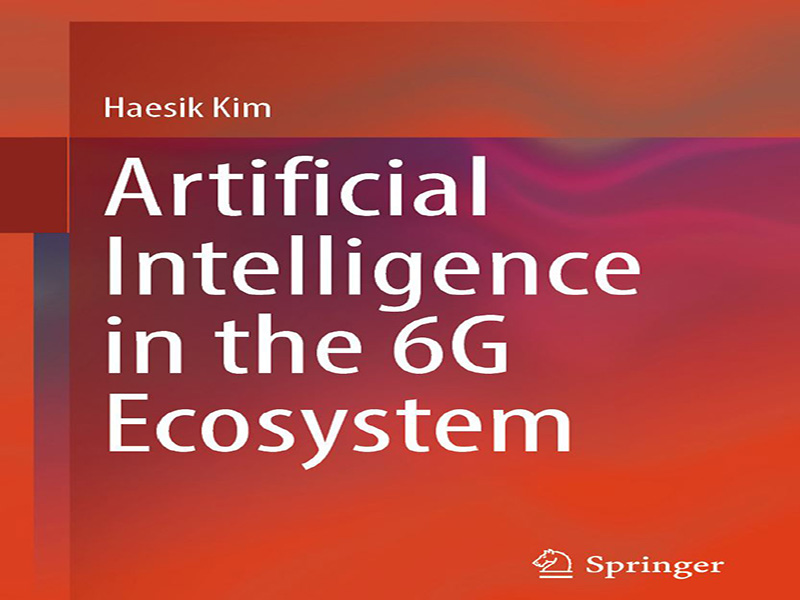
- عنوان کتاب: Artificial Intelligence in the 6G Ecosystem
- نویسنده: Haesik Kim
- حوزه: کاربرد هوش مصنوعی در ارتباطات
- سال انتشار: 2026
- تعداد صفحه: 476
- زبان اصلی: انگلیسی
- نوع فایل: pdf
- حجم فایل: 15.9 مگابایت
شبکههای سلولی از 1G به 6G تکامل یافتهاند. آنها از ارتباطات صوتی شروع کردند و سطح اتصال را به ارتباطات داده و ارتباطات ماشین به ماشین گسترش دادند. در سیستمهای 6G، سطح اتصال بسیار بالاتری برای پشتیبانی از برنامههای کاربردی جدید و موارد استفاده برای صنایع عمودی مورد نیاز است. بنابراین، سیستمهای 6G شبکههای سلولی را هوشمندانهتر متحول میکنند و کاربردهای پهنای باند موبایل پیشرفته (eMBB)، ارتباطات فوق العاده قابل اعتماد و با تأخیر کم (URLLC) و ارتباطات گسترده از نوع ماشین (mMTC) را در خود جای میدهند. سیستمهای 6G بر همکاری صنعتی بین صنعت مخابرات و سایر صنایع از جمله خودرو، مراقبتهای بهداشتی، اتوماسیون کارخانه، غذا، امنیت عمومی و غیره تأکید دارند. آنها یک اکوسیستم جدید ایجاد میکنند که از نهادهای تجاری به هم پیوسته و همکار تشکیل شده است. نهادهای تجاری در یک اکوسیستم جدید از یکدیگر پشتیبانی میکنند و هوشمندانه تکامل مییابند. 6G و هوش مصنوعی (AI) عوامل کلیدی در تبدیل به یک اکوسیستم فناوری جدید خواهند بود. آنها مدلهای تجاری فعلی را تغییر شکل میدهند و یک اکوسیستم دیجیتال جدید میسازند. هوش مصنوعی و 6G بسیار نزدیک با هم تعامل خواهند داشت. هوش مصنوعی ما را الهام میبخشد تا یک معماری جدید ارتباطات بیسیم و شبکه طراحی کنیم و عملکرد و نگهداری آن را مدیریت کنیم. هوش مصنوعی ابزاری کلیدی برای طراحی سیستمهای هوشمندتر و ایمنتر نسل ششم (6G) است. هوش مصنوعی مشکلات ارتباطی و شبکهای را کاهش داده و پایداری جامعی را برای سیستم 6G به ارمغان میآورد. علاوه بر این، سیستمهای 6G با ارائه مجموعه دادههای پایدار، ایمن و عظیم برای آموزش مدلهای هوش مصنوعی، زیرساختی کلیدی برای بهرهبرداری از سیستمهای هوش مصنوعی خواهند بود. مدلهای هوش مصنوعی در لبه و هسته شبکههای 6G به طور کارآمد محاسبه میشوند. در دوران 6G، بسیاری از مدلهای تجاری تعبیهشده با هوش مصنوعی در طیف وسیعی از زمینهها از جمله مراقبتهای بهداشتی، خودرو، رباتیک، غذا، بانکداری و غیره یافت خواهند شد. این کتاب به معرفی هوش مصنوعی و تکنیکهای ارتباطات و شبکه بیسیم برای 6G، طراحی و بهینهسازی ارتباطات و شبکههای 6G با استفاده از تکنیکهای هوش مصنوعی و بحث در مورد چگونگی تعامل هوش مصنوعی با 6G و بهبود یک اکوسیستم دیجیتال میپردازد. با این رویکرد، مخاطبان دانش لازم در مورد نحوه طراحی و بهینهسازی سیستم 6G و بهرهبرداری از مدلهای هوش مصنوعی در شبکههای 6G را کسب میکنند و همچنین محدودیتهای مدلهای هوش مصنوعی و سیستمهای 6G را درک میکنند. این کتاب به صورت گام به گام، تکنیکهای هوش مصنوعی مانند یادگیری بدون نظارت، یادگیری نظارت شده، یادگیری تقویتی و یادگیری عمیق و همچنین تکنیکهای سیستمهای بیسیم از جمله نظریه اطلاعات، سیستمهای چند حاملی، نظریه کدگذاری، بهینهسازی محدب و الگوریتمهای طراحی شبکه را پوشش میدهد. این کتاب توضیح میدهد که چگونه هوش مصنوعی عملکرد سیستم 6G را بهبود میبخشد و چگونه مدلهای هوش مصنوعی در سیستمهای 6G کار میکنند. سازماندهی کتاب به شرح زیر است: در بخش اول، هوش مصنوعی و تکنیکهای ارتباطات و شبکه بیسیم معرفی میشوند. این کتاب زمینه ریاضی در مورد هوش مصنوعی و ارتباطات و شبکههای بیسیم را در اختیار مخاطبان قرار میدهد. در بخش دوم، سیستمهای 6G مجهز به هوش مصنوعی طراحی و بهینهسازی میشوند. ما یک رویکرد جدید برای طراحی ارتباطات و شبکههای بیسیم و چگونگی بهبود عملکرد سیستمهای بیسیم توسط تکنیکهای هوش مصنوعی را بررسی میکنیم. در بخش سوم، چارچوب و عملکرد هوش مصنوعی در سیستمهای 6G معرفی میشود. علاوه بر این، مباحث مربوط به 6G تعبیه شده با هوش مصنوعی مورد بحث قرار میگیرد. خوشحالم که از حمایت مرکز تحقیقات فنی VTT فنلاند و اشپرینگر و همچنین بحث ارزشمند همکاران و متخصصانم در پروژههای اتحادیه اروپا 5G-HEART و AMAZING-6G قدردانی میکنم. از حمایت خانواده و دوستانم سپاسگزارم.
The cellular networks have been evolved from 1G to 6G. They started from voice communications and extended the connectivity level to data communications and machine-to-machine communications. In 6G systems, much higher level of connectivity is required to support new applications and use cases for verticals. Thus, 6G systems revolutionize the cellular networks more intelligently and accommodate enhanced Mobile Broadband (eMBB), Ultra Reliable and Low Latency Communications (URLLC) and massive Machine-Type Communications (mMTC) applications. 6G systems emphasize industrial collaboration between telecommunication industry and other industries including automotive, health care, factory automation, food, public safety, and so on. They create a new ecosystem that is composed of interconnected and collaborated business entities. The business entities in a new ecosystem support each other and evolve intelligently. 6G and Artificial Intelligence (AI) will be key factors in transforming to a new technological ecosystem. They will reshape the current business models and build a new digital ecosystem. AI and 6G will be interacted very closely. AI inspires us to design a new wireless communication and network architecture and manage its operation and maintenance. AI is a key tool for designing 6G systems smarter and safer. AI will alleviate communication and network problems and bring comprehensive sustainability to 6G system. In addition, 6G systems will be a key infrastructure to operate AI systems by providing stable, secure, and huge datasets to train AI models. AI models will be efficiently computed in the edge and core of 6G networks. In 6G era, many AI embedded business models will be found in a wide range of areas including health care, vehicle, robotics, food, banking and so on. This book introduces AI and wireless communication and network techniques for 6G, design and optimize 6G communications and networks using AI techniques and discuss how AI interacts with 6G and they improve a digital ecosystem. By this approach, audiences obtain knowledge about how to design and optimize 6G system and operate AI models in 6G networks as well as realize the limitation of AI models and 6G systems. This book covers, in a step-by-step manner, AI techniques such as unsupervised learning, supervised learning, reinforcement learning and deep learning and also wireless system techniques including information theory, multi-carrier system, coding theory, convex optimization, and network design algorithms. It explains how AI improves 6G system performance and how AI models are operated in 6G systems. The organization of the book is as follows: In Part I, AI and wireless communication and network techniques are introduced. It will provide audiences with a mathematical background about AI and wireless communications and networks. In Part II, AI enabled 6G systems are designed and optimized. We investigate a new approach to design wireless communications and networks and how AI techniques improve the performance of wireless systems. In Part III, AI framework and operation are introduced in 6G systems. In addition, AI embedded 6G verticals are discussed. I am pleased to acknowledge the support of VTT Technical Research Centre of Finland and Springer and also the valuable discussion of my colleagues and experts in EU project 5G-HEART and AMAZING-6G. I am grateful for the support of my family and friends.
این کتاب را میتوانید از لینک زیر بصورت رایگان دانلود کنید:
























نظرات کاربران