











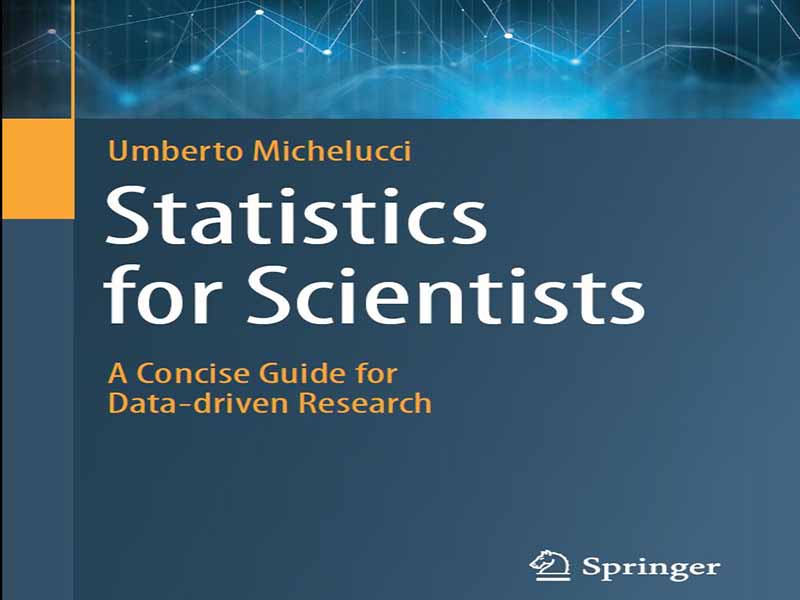
- عنوان کتاب: Statistics for Scientists A Concise Guide for Data-Driven Research
- نویسنده: Umberto Michelucci
- حوزه: آمار
- سال انتشار: 2025
- تعداد صفحه: 177
- زبان اصلی: انگلیسی
- نوع فایل: pdf
- حجم فایل: 4.53 مگابایت
این کتاب کوتاه برگرفته از سخنرانیهایی است که در دانشگاههای مختلف ارائه دادهام و به من در شناسایی مفاهیم آماری که اکثر دانشمندان با آنها مشکل دارند، کمک کردهاند. اکثر آنها درک شهودی از آنچه که، به عنوان مثال، میانگین و میانه هستند، دارند، اما تعداد کمی میتوانند بگویند چه زمانی از کدام استفاده کنند، یا میتوانند توضیح دهند که چگونه ضریب R2 را تفسیر کنند. این کتاب خلاصهای از این مفاهیم است که به صورت کوتاه و مختصر شرح داده شده و با نکات و توضیحات دقیق غنی شده است. درک این نکته مهم است که هدف این کتاب ارائه یک دوره کامل در آمار نیست. کتابهای زیادی در حال حاضر این کار را انجام میدهند. هدف من این است که به محققان و متخصصان متنی کوتاه و آسان برای خواندن ارائه دهم تا به آنها در درک مهمترین مفاهیم آمار و به ویژه نحوه استفاده صحیح از آنها کمک کند. خوانندگان تشویق میشوند که به مطالعه آمار، شاخهای فوقالعاده جالب از ریاضیات که به ما در درک دنیای اطرافمان کمک میکند، ادامه دهند. این کتاب حاوی مطالب کافی برای یک دوره مقدماتی کوتاه برای دانشجویان در سطح کارشناسی است. برخی از بخشهای این کتاب را که با ستاره مشخص شدهاند، در ابتدای عنوان خواهید یافت. این بدان معناست که این بخش از نظر ریاضی چالش برانگیزتر است و کسانی که دانش یا علاقه کمتری به ریاضی دارند، میتوانند با خیال راحت از آن صرف نظر کنند. این کتاب به گونهای ساختار یافته است که یک مرور کلی و قابل فهم از آمار و تحلیل دادهها برای تحقیقات علمی ارائه دهد. این کتاب با مفاهیم اولیه، از جمله توضیح متغیرهای تصادفی، فضاهای نتیجه و تفاوت بین آمار توصیفی و استنباطی آغاز میشود. با انواع دادهها، معیارهای گرایش مرکزی، پراکندگی و موقعیتها ادامه مییابد. بحث با بحث در مورد دادههای پرت و روشهای مختلف برای تعریف آنها ادامه مییابد. سپس کتاب مباحث پیچیدهتری مانند توزیعها، آزمون فرضیه و تحلیل رگرسیون را معرفی میکند. هر فصل بر اساس فصل قبلی بنا شده و تکنیکهای آماری پیچیدهتری را به صورت گام به گام معرفی میکند و آن را برای خوانندگانی از مبتدی تا کسانی که نیاز به یادآوری سریع دارند، مناسب میسازد. انتخاب مباحث، مانند اغلب اوقات، تا حدودی ذهنی است. اما من مفاهیمی را انتخاب کردم که همه علاقهمندان به استفاده از آمار باید از آنها آگاه باشند. برخی از مباحث (مانند آزمون فرضیه) به طور مفصل مورد بحث قرار نگرفتهاند، زیرا بررسی کامل مباحث نه تنها به فضای بیشتر، بلکه به دانشآموزی با پیشینه بیشتر در آمار و ریاضیات (مثلاً در حساب دیفرانسیل و انتگرال) نیز نیاز دارد. هدف این فصلها این است که به دانشجو درک کافی از ایده اصلی داده شود و او را ترغیب کنند تا مفاهیم را عمیقتر مطالعه کند. در کتاب چهار نوع کادر خواهید یافت: تعاریف، نکات، هشدارها و مثالها. معنی باید واضح باشد. در کادرهای تعاریف، تعاریف مفاهیم را خواهید یافت، بنابراین پیدا کردن آنها آسانتر است. در قسمت نکات، همانطور که از نامش پیداست، نکات و پیشنهادهایی را خواهید یافت که امیدوارم مفاهیم یا کاربردهای خاص را واضحتر کنند. در قسمت هشدارها سعی میکنم موارد دشوار در کاربرد یا تفسیر روشها یا مفاهیم را برجسته کنم. و در نهایت، در مثالها سعی میکنم مثالهایی برای روشنتر کردن مفاهیم ارائه دهم. دو کتاب به طور قابل توجهی بر سفر من در یادگیری آمار تأثیر گذاشتهاند. یکی کتاب احتمال و استنتاج آماری نوشته هاگ، تانیس و زیمرمن است که اکنون در ویرایش دهم خود قرار دارد [1]. به نظر من، این کتاب برای (تقریباً) مبتدیان عالی است. یک کتاب پیشرفتهتر، اما زیبا در دقت و انتخاب موضوعات، کتاب استنتاج آماری نوشته کاسلا و برگر است [2]. شاهکاری که هر دانشمندی باید در قفسه کتاب خود داشته باشد. اگر پس از خواندن این مقدمه کوتاه به دنبال کاوش عمیقتر در آمار هستید، این دو کتاب انتخابهای خوبی برای شما هستند. اگر مبتدی هستید، پس از این کتاب، پیشنهاد میکنم کتاب هاگ و همکاران را ادامه دهید.
This short book has originated from lectures I gave at various universities that have helped me identify the concepts in statistics that most scientists struggle with. Most of them have an intuitive understanding of what, for example, mean and median are, but few can tell when to use which, for example, or can explain how to interpret the coefficient R2.. This book is a summary of those concepts, described in a short and concise way, enriched with tips and rigorous explanations. It is important to understand that the goal of this book is not to provide a complete course in statistics. There are many books that do this already. My goal is to give researchers and practitioners a short text that is easy to read to help them understand the most important concepts in statistics and especially how to use them properly. Readers are encouraged to continue the study of statistics, an incredibly interesting branch of mathematics that helps us understand the world around us. This book contains enough material for a short introductory course for students at an undergraduate level. You will find some sections of this book marked with a star . at the beginning of the title. That means that the section is more mathematically challenging and can be safely skipped by those with less mathematical know-how or interest. This book is structured to provide an accessible overview of statistics and data analysis for scientific research. It begins with basic concepts, including an explanation of random variables, outcome spaces, and the difference between descriptive and inferential statistics. It continues with data types, measures of central tendency, of dispersion, and of positions. The discussion continues with a discussion of outliers and various methods to define them. Then the book introduces more complex topics like distributions, hypothesis testing, and regression analysis. Each chapter builds on the previous one, introducing more complex statistical techniques in a step-by-step manner, making it suitable for readers ranging from beginners to those needing a quick refresher. The choice of topics, as often, is somewhat subjective. But I selected the concepts that all those interested in using statistics should know about. Some topics (such as hypothesis testing) are not discussed at length, since a complete treatment of the topics would require not only more space but also the student having some more background in statistics and mathematics (e.g., in calculus). The goal of these chapters is to give the student enough understanding of the main i dea and inspire them to study the concepts deeper. In the book you will find four types of boxes: definitions, tips, warnings, and examples. The meaning should be clear. In definitions boxes, you will find definitions of concepts, so it is easier to find them. In tips you will find, as the name suggests, tips and suggestions that I hope will make specific concepts or applications clearer. In warnings I try to highlight tricky cases in the application or interpretation of methods or concepts. And finally, in examples I try to give some examples to make concepts clearer. Two books have significantly influenced my journey in learning statistics. One is the book Probability and Statistical Inference by Hogg, Tanis, and Zimmerman now in its 10th edition [1]. In my opinion, it is the perfect book for (almost) beginners. A more advanced book, but beautiful in its rigor and choice of topics, is the one by Casella and Berger Statistical Inference [2]. A masterpiece that every scientist should have on his or her bookshelf. If you are looking to delve deeper into statistics after reading this short introduction, you cannot go wrong with those two books. If you are a beginner, after this book, I suggest you continue with the book by Hogg et al.
این کتاب را میتوانید از لینک زیر بصورت رایگان دانلود کنید:
Download: Statistics for Scientists A Concise Guide for Data-Driven Research
























نظرات کاربران