













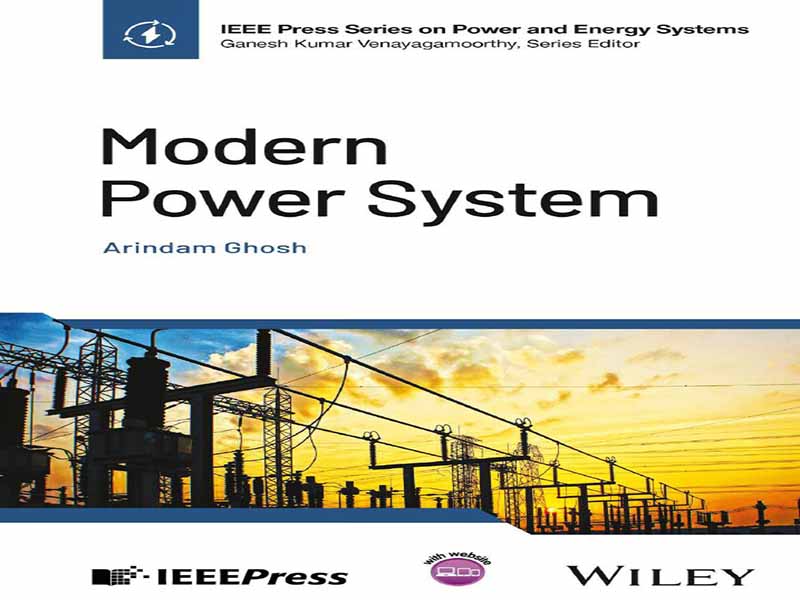
- عنوان کتاب: Modern Power System
- نویسنده: Arindam Ghosh
- حوزه: پاور الکتریکی
- سال انتشار: 2026
- تعداد صفحه: 595
- زبان اصلی: انگلیسی
- نوع فایل: pdf
- حجم فایل: 8.61 مگابایت
صنعت برق سنگ بنای زیرساختهای جهانی است که برای جامعه مدرن و توسعه اقتصادی حیاتی است. طبق گزارش آژانس بینالمللی انرژی در مورد اشتغال انرژی جهان در سال 2023، بخش برق بیش از 68 میلیون نفر را در سراسر جهان به کار گرفته است. از این تعداد، بیش از 36 میلیون نفر در بخش انرژی پاک مشغول به کار بودهاند، در حالی که بیش از 32 میلیون نفر در صنعت برق مبتنی بر سوخت فسیلی مشغول به کار بودهاند. طبق گزارش دفتر آمار کار ایالات متحده در سال 2023، 17870 مهندس برق در بخش برق مشغول به کار بودهاند. در میان تمام انجمنهای فنی موسسه مهندسان برق و الکترونیک (IEEE)، انجمن برق و انرژی (PES) با حدود 42000 عضو در سراسر جهان، دومین انجمن بزرگ است. با توجه به تأثیر گسترده آن، صنعت برق برای بهرهبرداری ایمن خود به رویکردی چند رشتهای نیاز دارد و همچنان در حال تکامل است، سفری که من با اشتیاق آن را دنبال کردهام. مطالعات اولیه من در مورد متون بنیادی مانند کتاب W. D. Stevenson [1] عمیقاً بر ساختار و تمرکز این کتاب تأثیر گذاشته و اصول سنتی را با پیشرفتهای مدرن ترکیب کرده است. بیشتر مباحث مطرح شده در کتاب استیونسون هنوز برای کسب دانش در این حوزه ارزشمند هستند. با این حال، بخش برق از زمان انتشار ویرایش چهارم کتاب در سال ۱۹۸۲، شاهد تغییرات زیادی بوده است. امروزه، فناوری الکترونیک قدرت نقش حیاتی در سیستمهای انتقال و توزیع برق ایفا میکند. سیستمهای انتقال جریان مستقیم ولتاژ بالا (HVDC) مبتنی بر تریستور در دهه ۱۹۷۰ شروع به ظهور کردند. متعاقباً، سیستمهای HVDC مبتنی بر مبدل منبع ولتاژ (VSC) در آغاز این قرن در مقیاس وسیعی به کار گرفته شدند. در حال حاضر، سیستمهای VSC-HVDC برای مزارع بادی فراساحلی استفاده میشوند. علاوه بر این، سیستمهای HVDC نقطه به نقطه جای خود را به سیستمهای HVDC چند ترمینالی برای سیستمهای جمعآوری انرژی بادی فراساحلی دادهاند. همچنین، جبرانکنندههای استاتیک وار (SVC) مبتنی بر تریستور نیز در دهه ۱۹۷۰ در مقیاس وسیع برای افزایش پایداری ولتاژ در خطوط انتقال طولانی و همچنین برای میرایی نوسانات برق ظاهر شدند. صدها SVC در سراسر جهان نصب شدند. جبرانسازی سری ثابت خطوط انتقال برای افزایش جریان برق در ابتدا به دلیل حوادثی در نیروگاه موهاوی، که در اوایل دهه 1970 مشکلات رزونانس باعث آسیب به توربین شد، با مشکل مواجه شد. این مشکلات به دلیل رزونانس بین خازنهای سری و راکتورهای خط در فرکانسهایی پایینتر از فرکانس سنکرون ایجاد میشدند. با این حال، تردید اولیه با استفاده از جبرانسازهای سری کنترلشده با تریستور (TCSCs) برطرف شد، که میتوانند به طور مؤثر راکتانس سری را تغییر دهند تا از رسیدن نوسانات زیرسنکرون به شفتهای روتور جلوگیری شود. علاوه بر این، سایر دستگاههای مبتنی بر تریستور مانند تنظیمکننده ولتاژ، تنظیمکننده زاویه فاز و غیره رایج شدهاند. با پیشرفت در فناوری الکترونیک قدرت، دستگاههای انتقال AC انعطافپذیر مبتنی بر مبدل منبع ولتاژ (FACTS) کاربردهای خود را هم در تنظیم ولتاژ و هم در کنترل جریان برق در سیستمهای انتقال طولانی پیدا کردهاند. جبرانسازی موازی با استفاده از جبرانسازهای استاتیک (STATCOMs) انجام شد که جایگزین SVCها شدند. از سوی دیگر، جبرانسازهای سری استاتیک سنکرون به صورت سری با خطوط قرار گرفتند تا جایگزین TCSCها شوند. جبرانسازی موازی و سری را میتوان همزمان با استفاده از یک جبرانساز جریان برق یکپارچه انجام داد. با توجه به نگرانیهای فزاینده در مورد تغییرات اقلیمی و افزایش دمای جهانی ناشی از آن، تعداد فزایندهای از ژنراتورهای انرژی تجدیدپذیر در حال ادغام در سیستمهای انتقال و توزیع برق هستند. این امر باعث ایجاد اختلال در عملیات سنتی سیستمهای برق شده است. اکثر ژنراتورهای انرژی تجدیدپذیر از طریق مبدلهای برق به سیستمهای برق متصل میشوند که نمیتوانند اینرسی لازم برای حفظ حاشیههای پایداری مورد نیاز در سیستمهای انتقال برق حجیم را فراهم کنند. این سیستمها به کنترلهای مبدل و دستگاههای ذخیرهسازی هوشمندتر نیاز دارند. به عنوان مثال، در سیستمهای توزیع، فتوولتائیکهای پشت بامی چالشهایی مانند عدم تعادل ولتاژ، افزایش ولتاژ و جریان معکوس برق را ایجاد میکنند. علاوه بر این، این نگرانی وجود دارد که ژنراتورهای تجدیدپذیر متناوب هستند و بنابراین نمیتوانند بار پایه مورد نیاز را تأمین کنند. برای مدرنسازی سیستم برق، مفهوم شبکه هوشمند معرفی شده است که از طریق آن سیستم برق با فناوری اطلاعات و ارتباطات (ICT) ادغام میشود تا جریان برق دو طرفه روان را تسهیل کند و تعادل تقریباً آنی بین تولید و مصرف را فراهم کند. سیستمهای انتقال برق میتوانند دارای سیستمهای مدیریت انرژی مدرن باشند که واحدهای اندازهگیری فازور را ادغام میکنند، که میتوانند در مراکز کنترل بار برای تخمین دقیقتر حالت و ارسال برق استفاده شوند. سیستمهای توزیع به کنتورهای هوشمند مجهز خواهند شد که از طریق آنها میتوان تقاضای بار را مدیریت کرد. بخشهایی از سیستمهای توزیع میتوانند نیروگاههای مجازی تشکیل دهند یا میتوانند چندین ریزشبکه داشته باشند. پستهای برق را میتوان با استفاده از برنامههای کامپیوتری سفارشی که میتوانند بین رلههای حفاظتی مختلف ارتباط برقرار کنند، مدرن کرد.
The electric power industry is a cornerstone of global infrastructure, vital for modern society and economic development. According to the International Energy Agency report on world energy employment in 2023, the power sector employed over 68 million people worldwide. Of these, over 36 million people were employed in the clean energy sector, while over 32 million people were employed in the fossil fuel-based power industry. According to the US Bureau of Labor Statistics report of 2023, 17,870 electrical engineers were employed in the power sector. Amongst all the technical societies of the Institute of Electrical and Electronic Engineers (IEEE), the Power and Energy Society (PES) is the second largest, having around 42,000 members worldwide. Given its vast impact, the power industry requires a multidisciplinary approach for its secured operation and continues to evolve, a journey that I have followed with fascination. My early studies of foundational texts like W. D. Stevenson’s book [1] have deeply influenced the structure and focus of this book, blending traditional principles with modern advancements. Most of the topics covered in Stevenson’s book are still valuable to gain knowledge in the area. However, the power sector has seen a sea of changes since the time the fourth edition of the book appeared in 1982. These days, power electronic technology plays a crucial role in both power transmission and distribution systems. Thyristor-based high voltage DC (HVDC) transmission systems started appearing in the 1970s. Subsequently, voltage source converter (VSC)-basedHVDC systems were adopted on a large scale at the turn of this century. Currently, VSC-HVDC systems are used for offshore windfarms. Moreover, point-to-point HVDC systems have given way to multiterminal HVDC systems for offshore wind collection systems. Also, thyristor-based static var compensators (SVCs) also started appearing in large scales during the 1970s to enhance voltage stability in long transmission lines, as well as, for power oscillation damping. There were hundreds of SVCs installed throughout the world. Fixed series compensation of transmission lines to enhance power flow was initially hindered by incidents at Mojave power station, where resonance issues caused turbine damage in the early 1970s. These were caused due to the resonance between the series capacitors and line reactors at frequencies that are below the synchronous frequency. However, the initial hesitation was overcome using thyristor-controlled series compensators (TCSCs), which can effectively change the series reactance to avoid the subsynchronous oscillations reaching the rotor shafts. Moreover, other thyristor-based devices have become common like voltage regulator, phase angle regulator, etc. With the advancement in power electronic technology, voltage source converter-based flexible AC transmission (FACTS) devices have found their applications in both voltage regulation and power flow control in long transmission systems. Shunt compensation was achieved using static compensators (STATCOMs), which started replacing the SVCs. On the other hand, static synchronous series compensators were placed in series with the lines to replace TCSCs. Both shunt and series compensations can be achieved simultaneously using a unified power flow compensator. Due to the rising concerns of climate change and the resultant global temperature rise, more and more renewable energy generators are getting integrated into both power transmission and distribution systems. This has caused disruptions in the traditional operations of power systems. Most of the renewable energy generators are connected to power systems through power converters, which cannot provide inertia to maintain stability margins required in bulk power transmission systems. These systems require smarter converter controls and storage devices. In distribution systems, for instance, rooftop photovoltaics introduce challenges like voltage imbalances, voltage rises, and reverse power flow. Furthermore, there is a concern that renewable generators are intermittent and thus they cannot supply the required baseload. To modernize the power system, the concept of the smart grid has been introduced, through which the power system is integrated with information and communication technology (ICT) to facilitate a smooth two-way power flow and to provide near instantaneous balance between generation and consumption. Power transmission systems can have modern energy management systems integrating phasor measurement units, which can be used in load control centers for more accurate state estimation and power dispatch. Distribution systems will be equipped with smart meters, through which the load demand can be managed. Parts of distribution systems can form virtual power plants or can have several microgrids. Substations can be modernized using tailored computer programs that can communicate between different protective relays without the complicated layout of cables. Since the smart grid relies heavily on ICT, measures must be taken to ensure that the communication and computation devices are cybersecure.
این کتاب را میتوانید از لینک زیر بصورت رایگان دانلود کنید:
Download: Modern Power System





















نظرات کاربران