













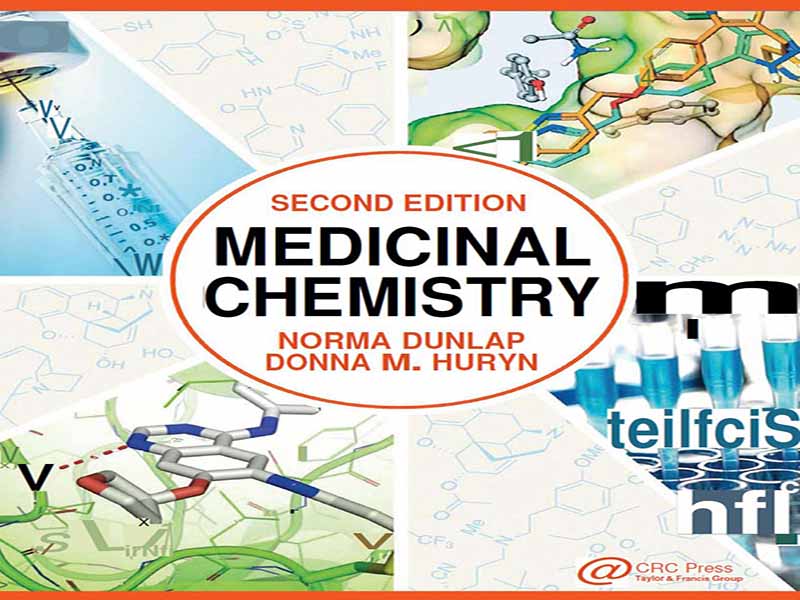
- عنوان کتاب: Medicinal Chemistry
- نویسنده: Norma Dunlap Donna M. Huryn
- حوزه: دارو سازی
- سال انتشار: 2026
- تعداد صفحه: 479
- زبان اصلی: انگلیسی
- نوع فایل: pdf
- حجم فایل: 22.1 مگابایت
این کتاب درسی، مروری بر موضوع شیمی دارویی در چارچوب طراحی و کشف دارو است. هر دوی ما به عنوان شیمیدان آلی مصنوعی آموزش دیدهایم و «اولین» شغل خود را در بخشهای شیمی دارویی در شرکتهای داروسازی بزرگ داشتیم. پس از ورود به دانشگاه، هر دو تدریس یک کلاس یک ترمی در شیمی دارویی را بر عهده گرفتیم. هر کسی که این نوع دوره را تدریس میکند، به سرعت متوجه دشواری گردآوری جنبههای مختلف تشکیلدهنده این موضوع، مانند شیمی آلی، فارماکولوژی و بیوشیمی، و همچنین معرفی حوزههای درمانی در شیمی دارویی تنها در یک ترم میشود. پس از سالها تدریس این دوره با استفاده از مقالات مروری مختلف به عنوان متن و همچنین مطالبی که خودمان نوشتهایم، تصمیم گرفتیم یک کتاب درسی بنویسیم. قصد داشتیم متنی بنویسیم که شامل پیشینه تاریخی کشف دارو باشد، اما بر شیوههای مدرن در طراحی، کشف و توسعه تأکید کند. ما بر اهداف دارویی و چگونگی تأثیر دانش فعلی از این اهداف بر شیمی دارویی و کشف دارو تمرکز میکنیم. در حالی که پوشش همه حوزههای درمانی در یک متن یک ترمی امکانپذیر نیست، حوزهها و دستههای منتخبی از داروها نیز گنجانده شدهاند. در مجموع، هدف ما این است که این متن، نیاز به یک کتاب درسی مدرن و یک ترمی را برآورده کند که جنبههای مختلف شیمی دارویی را به شکلی که در حال حاضر مورد استفاده قرار میگیرد، به هم پیوند دهد. مخاطبان هدف، عمدتاً دانشجویان کارشناسی ارشد و دانشجویان کارشناسی ارشد تازهکار در رشتههای شیمی آلی و شیمی دارویی هستند. سایر دانشجویانی که ممکن است این متن را مفید بیابند، شامل دانشجویان داروسازی، دانشجویان بیوشیمی و هر کسی هستند که قصد دارد در زمینه کشف دارو شغلی را دنبال کند. علاوه بر رشتههای علوم، دانشجویانی از رشتههای متنوعی مانند امور مالی، مهندسی و اخلاق زیستپزشکی در دورههای ما شرکت کردهاند که همگی علاقه مشترکی به یادگیری در مورد کشف دارو دارند. این کتاب همچنین باید برای دانشمندان حرفهای، مانند شیمیدانان، زیستشناسان و متخصصان ثبت اختراع، که تازه وارد حوزه کشف دارو شدهاند و ممکن است تجربه مستقیمی با شیمی دارویی نداشته باشند، مفید باشد. انتظار میرود کسانی که از این کتاب درسی استفاده میکنند، دانش پایهای از شیمی آلی و همچنین زیستشناسی پایه داشته باشند. برای ارائه این موضوع گسترده به روشی منطقی و پوشش مباحث ضروری در قالب یک ترم، رویکرد ما تقسیم متن به سه بخش است. در بخش اول، «کشف و توسعه دارو»، پنج فصل اول پیشینه تاریخی کشف دارو و همچنین فرآیند کشف و توسعه داروی مدرن را با تأکید بر استراتژیهای شیمی دارویی مورد استفاده در مراحل مختلف پوشش میدهد. این فصلها پیشینه اساسی کشف هدف و هدفگیری، اصلاحات ناشی از دانش ساختار هدف و فارماکوفور، استراتژیهای رایج شیمی دارویی و اهمیت محوری فارماکوکینتیک را ارائه میدهند. آنها زمینهای را فراهم میکنند که فصلهای بعدی بر اساس آن ساخته میشوند. در بخش دوم، «طبقهبندیهای اهداف دارویی»، فصلهای ۶ تا ۹ بر اهداف اصلی دارو، یعنی ساختار و عملکرد آنها، و نحوه رویکرد شیمیدانان دارویی به هر یک تمرکز دارند. نمونههایی از داروهای خاص توسعهیافته برای هر نوع هدف گنجانده شده است. اهداف شامل گیرندهها و کانالهای یونی، آنزیمها، برهمکنشهای پروتئین-پروتئین و لیپید و اسیدهای نوکلئیک هستند. هر یک از این موارد به طبقات خاصتری از اهداف مهم دارو تقسیم میشوند. این فصلها را میتوان به هر ترتیبی پوشش داد، اما مباحث مرجع در فصلهای ۱ تا ۵ هستند. در بخش سوم، «حوزههای درمانی منتخب»، فصلهای پایانی، فصلهای ۱۰ تا ۱۳، به حوزههای درمانی مهم منتخب اختصاص داده شدهاند. در حالی که فصلهای بسیار بیشتری وجود دارد که میتوانستند در حوزههای مورد علاقه بیشتری نوشته شوند، این مباحث به عنوان نمونههایی انتخاب شدهاند که اجزای معرفی شده در فصلهای قبلی را به هم پیوند میدهند و هم عوامل مهم تاریخی و هم فرصتهای آینده را نشان میدهند. مباحث موجود شامل داروهای ضد سرطان، ضد باکتری و ضد ویروسی و داروهایی هستند که بر سیستم عصبی مرکزی تأثیر میگذارند. زیرمجموعهای از فصل ۱۳ به داروهای مورد سوءمصرف اختصاص داده شده است که با توجه به علاقه دانشجویان به این موضوع تهیه شده است. هر یک از این فصلهای آخر در حوزههای درمانی خاص را میتوان اختیاری در نظر گرفت یا به طور مستقل استفاده کرد، اما آنها همچنین به مطالب مطرح شده در فصلهای ۱ تا ۹ متکی هستند. در نگارش این کتاب، سعی کردهایم بر شیوههای مدرن تأکید کنیم و در عین حال برخی از پیشینههای تاریخی را به عنوان راهی برای نشان دادن پیشرفت در این زمینه و کمک به توضیح مفاهیم پیچیده حفظ کنیم. در سراسر کتاب از تصاویر تمام رنگی برای شناسایی ویژگیهای ساختاری کلیدی و برجسته کردن نکات خاص مهم استفاده شده است. اصطلاحات کلیدی با حروف پررنگ برجسته شدهاند و در یک واژهنامه گستردهتر توضیح داده شدهاند. هر فصل با مسائلی به پایان میرسد که به سوالات مروری و سوالات کاربردی تقسیم میشوند. سوالات مروری بر اساس درک مطالب ارائه شده در فصل هستند، در حالی که مسائل کاربردی نیاز به مهارتهای تفکر انتقادی برای به کارگیری مفاهیم قبلاً پوشش داده شده در مسائل جدید دارند…
This textbook is an overview of the subject of medicinal chemistry within the context of drug design and discovery. Both of us were trained as synthetic organic chemists and had our “first” careers in medicinal chemistry departments at major pharmaceutical companies. Upon moving into academia, we both took on teaching a one-semester class in medicinal chemistry. Anyone who teaches this type of course quickly realizes the difficulty in bringing together the many aspects that comprise this subject, such as organic chemistry, pharmacology, and biochemistry, as well as introducing therapeutic areas in medicinal chemistry in just one semester. After teaching this course for many years using various review articles as text, as well as material written ourselves, we decided to write a textbook. We intended to write a text that includes the historical background of drug discovery but emphasizes modern practices in design, discovery, and development. We focus on drug targets and how current knowledge of these targets drives medicinal chemistry and drug discovery. While it is not possible to cover all therapeutic areas in a one-semester text, selected areas and classes of drugs are also included. Overall, we intend for this text to meet the need for a modern, one-semester textbook that ties together the many different aspects of medicinal chemistry as it is currently practiced. The target audience is primarily upper-level undergraduate students and beginning graduate students in organic chemistry and medicinal chemistry. Other students who might find the text useful include pharmacy students, biochemistry students, and anyone planning to pursue a career in the drug discovery field. In addition to science majors, we have had students from fields as diverse as finance, engineering, and biomedical ethics take our courses, all with a common interest in learning about drug discovery. The book should also be useful for professional scientists, such as chemists, biologists, and patent professionals, who are just entering the drug discovery field and may not have had direct experience with medicinal chemistry. It is expected that those using this textbook have a basic knowledge of organic chemistry as well as basic biology. To present this broad subject in a way that is logical and covers essential topics in a one-semester format, our approach is to divide the text into three sections. In Part I, “Drug Discovery and Development,” the first five chapters cover historical background in drug discovery, as well as the modern drug discovery and development process, with an emphasis on medicinal chemistry strategies used in various phases. These chapters give the essential background of hit and lead discovery, modifications driven by knowledge of both target and pharmacophore structure, common medicinal chemistry strategies, and the central importance of pharmacokinetics. They provide the background that subsequent chapters build upon. In Part II, “Classes of Drug Targets,” Chapters 6–9 focus on the major drug targets, namely, their structure and function, and how medicinal chemists approach each. Examples of specific drugs developed for each type of target are included. Targets include receptors and ion channels, enzymes, protein–protein and lipid interactions, and nucleic acids. Each of those is broken down into more specific classes of important drug targets. These chapters can be covered in any order, but reference topics in Chapters 1–5. In Part III, “Selected Therapeutic Areas,” the final chapters, Chapters 10–13, are devoted to selected important therapeutic areas. While there are many more chapters that could have been written on additional areas of interest, these topics were selected as examples that tie together components introduced in the earlier chapters and represent both historically important agents and future opportunities. The topics included are anti-cancer, antibacterial, and antiviral drugs and drugs acting on the central nervous system. A subset of Chapter 13 is devoted to drugs of abuse, informed by student interest on this topic. Any of these last chapters on specific therapeutic areas can be considered optional or used independently, but they also rely on the material covered in Chapters 1–9. In writing this book, we have tried to emphasize modern practices while also retaining some historical background as a way to show progress in the field and to help explain complex concepts. Full color figures are used throughout to identify key structural features and highlight specific points of significance. Key terms are highlighted in boldface type and are further explained in an expanded glossary. Each chapter ends with problems, divided into review questions and application questions. Review questions are based on understanding material presented in the chapter, whereas application problems require critical thinking skills to apply previously covered concepts to new problems. Some application problems ask the student to research a topic, intending to provide relevant experience to students. Answers to review questions are printed in the back of the book. Each chapter also includes two case studies on individual drugs that highlight relevant subjects in those chapters. While some are historical examples, most case studies focus on compounds and recently developed drugs. In this second edition, each chapter has been updated to include advances in the field. Changes include the introduction of new topics, such as AI/machine learning techniques in drug discovery, biased GPCR drug design, an explanation of sustainable practices in drug discovery, and the new modalities (e.g., PROTACS and molecular glues) that are advancing our ability to develop novel therapeutics. In addition, innovative new drugs/drug candidates, including those targeting previously undruggable targets, such as RAS, and new diseases, such as COVID-19, have been added to specific therapeutic area chapters. These changes reflect the exciting rapid advancements in medicinal chemistry.
این کتاب را میتوانید از لینک زیر بصورت رایگان دانلود کنید:
Download: Medicinal Chemistry




















نظرات کاربران