














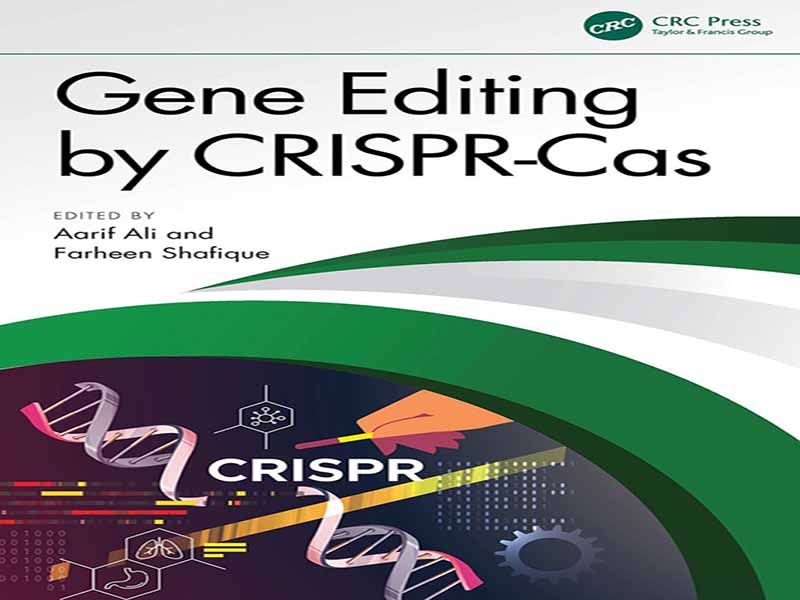
- عنوان کتاب: Gene Editing by CRISPR-Cas
- نویسنده: Aarif Ali Farheen Shafique
- حوزه: ژنتیک
- سال انتشار: 2025
- تعداد صفحه: 556
- زبان اصلی: انگلیسی
- نوع فایل: pdf
- حجم فایل: 6.74 مگابایت
تکمیل توالییابی ژنوم انسان، نقطه عطفی مهم در حوزه تحقیقات ژنتیکی متمرکز بر بیماریها است. با این وجود، شکاف قابل توجهی در درک ما از نقش ژنها و انواع آنها وجود دارد، در درجه اول به این دلیل که در حال حاضر فاقد دانش لازم برای اصلاح دقیق توالی ژن هستیم، که برای ارزیابی تجربی عملکردهای مولکولی آنها حیاتی است. اصطلاح ویرایش ژنوم به معنای تغییر هدفمند DNA ژنومی در طیف وسیعی از انواع سلولها و موجودات زنده است. این تکنیک شامل جایگزینی، درج و حذف DNA است که میتواند منجر به خاموش کردن ژنهای هدف، کسب صفات ژنتیکی جدید و اصلاح جهشهای ژنی مضر شود (Charpentier and Marraffini, 2014). در سالهای اخیر، پیشرفت چشمگیری در علوم زیستی مشاهده شده است که ویرایش ژنوم را به عنوان روش اصلی برای بررسی عملکرد ژن، روشن کردن پاتوژنز اختلالات ژنتیکی، شناسایی اهداف نوآورانه برای ژن درمانی و پیشرفت انواع محصولات کشاورزی تثبیت کرده است (Cox et al., 2015). قیچیهای مولکولی که برای اصلاحات ژنومی خاص مهندسی شدهاند، پتانسیل قابل توجهی برای انجام تجزیه و تحلیل عملکردی دارند. این پیشرفتها میتوانند درک ما را در مورد اساس مولکولی بیماریها به طور قابل توجهی افزایش دهند و منجر به توسعه رویکردهای درمانی جدید شوند. پلتفرمهای متنوعی برای این قیچیهای مولکولی ایجاد شدهاند، از جمله نوکلئازهای انگشت روی (ZFNs)، نوکلئازهای مؤثر شبه فعالکننده رونویسی (TALENs) و توالیهای کوتاه پالیندرومیک فاصلهدار منظم خوشهای (CRISPR) که اخیراً معرفی شدهاند، به همراه پروتئین 9 مرتبط با CRISPR (Cas9). پیش از این، دانشمندان سیستم پروتئینی CRISPR-Cas را به عنوان یک سیستم دفاعی میکروبی نوآورانه در برابر باکتریها و آرکیها کشف کرده بودند (Bolotin و همکاران، 2005). در باکتریها، این سیستم از باکتریوفاژها (ویروسهای باکتریایی) و عناصر ژنتیکی متحرک (ترانسپوزونها) محافظت میکند. از این رو، به عنوان یک سیستم ایمنی تطبیقی در پروکاریوتهای مختلف عمل میکند (Mojica و همکاران، 2009؛ Jinek و همکاران، 2012). علاوه بر این، در باکتریها مشخص شد که پس از عفونت فاژ، یک توالی فاصلهگذار در ژنوم وجود دارد و تغییر در این توالیها بر رشد فاژ در سلول هدف تأثیر میگذارد (Barrangou و همکاران، ۲۰۰۷). سیستم پروتئین CRISPR-Cas یک سیستم ویرایش یا تخریب انتخابی دئوکسی ریبونوکلئیک اسید (DNA) با واسطه ریبونوکلئیک اسید (RNA) است؛ یعنی یک دئوکسی ریبونوکلئاز (DNase) با واسطه RNA است. سیستم CRISPR از دو بخش اصلی تشکیل شده است: CRISPR و Cas. CRISPR یک RNA راهنمای کوتاه (gRNA) است که تقریباً ۲۰ تا ۳۰ نوکلئوتید دارد و مکمل DNA هدف است، در حالی که Cas یک پروتئین endo-DNase است. gRNA که با نام CRISPR-RNA (crRNA) نیز شناخته میشود، پروتئین Cas را برای تخریب یا ویرایش اسید نوکلئیک (DNA) هدف هدایت میکند. در سیستمهای CRISPR-Cas، دو بخش اصلی وجود دارد، crRNA و Cas که به صورت وابسته به هم و به شیوهای هدفمند کار میکنند. در این سیستم، پروتئین Cas مانند یک قیچی مولکولی عمل میکند و DNA هدف را در مکانهای خاصی که دقیقاً با توالی crRNA مطابقت دارند، برش میدهد/میشکند. از این رو، در سیستمهای CRISPR-Cas، توالی DNA هدف، کانون توجه crRNA است؛ بنابراین، با استفاده از تکنیکهای بیوانفورماتیک برای کاهش غیر اختصاصی بودن طراحی میشود. پس از اینکه شکست دو رشته DNA توسط Cas ایجاد شد، میتوان با کمک فرآیندهای ترمیم سلولی با استفاده از مسیرهای ترمیم همولوژی-هدایتشده (HDR) یا اتصال انتهای غیرهمولوگ (NHEJ)، تغییرات متعددی را در محل ایجاد کرد (Fu و همکاران، 2021). در ابتدا، عملکردهای ویرایش ژنوم سیستمهای CRISPR-Cas به دلیل سیستمهای دفاعی گسترده در باکتریها و آرکیها ناشناخته بود (Bolotin و همکاران، 2005؛ Mojica و همکاران، 2009؛ Jinek و همکاران، 2012). از این رو، دانشمندان تحقیقات اولیه بر دلیل سیستم دفاعی باکتریایی متمرکز بودند. با این حال، پس از کشف سیستم CRISPR-Cas، فرآیند ویرایش ژنوم شاهد انقلابی در حوزه علوم مولکولی بوده است و اکنون به یک تکنیک پیشرو تبدیل شده است که توجه قابل توجهی را به خود جلب کرده است (Rao et al., 2022). سیستم CRISPR-Cas به دلیل سریع، ارزان بودن و دقت و تطبیقپذیری فوقالعاده، عصر انقلابی در ویرایش ژنوم (DNA) را آغاز کرده است. این یک پیشرفت بزرگ در حوزه علوم مولکولی است زیرا از نظر هزینه-بهرهوری عملکرد بهتری دارد و استفاده از آن نسبت به روشهای قبلی ویرایش ژنوم، مانند ZFNها و TALENها، نسبتاً آسانتر است. علاوه بر این، نشان میدهد که این سیستم به دلیل اثربخشی بالا و اثرات کمتر خارج از هدف، نتایج ویرایش را بهبود میبخشد. بنابراین، به دلیل این مزایا، CRISPR-Cas به طور گسترده مورد استفاده قرار گرفته و در مقایسه با ZFNها و TALENهای قبلی، تأثیر قابل توجهی دارد (Gaj et al., 2013). بنابراین، تغییراتی که توسط سیستم CRISPR-Cas در محل هدف ایجاد میشوند، به دلیل قابلیتهای ویرایش ژنوم دقیق و قابل برنامهریزی، برای تحقیقات پایه، پزشکی و بهبود محصولات کشاورزی فوقالعاده مفید هستند (Li et al., 2023)…
The completion of the human genome sequencing represents a significant milestone in the realm of genetic research focused on diseases. Nevertheless, there exists a notable gap in our understanding of the roles of genes and their variants, primarily as we currently lack the know-hows necessary for precise gene sequence modifications, which are vital for experimentally assessing their molecular functions. The term genome editing denotes the targeted alteration of genomic DNA across a range of cell types and organisms. This technique includes the substitution, insertion, and deletion of DNA, which can result in the silencing of target genes, acquisition of new genetic traits, and the correction of deleterious gene mutations (Charpentier and Marraffini, 2014). In recent years, a remarkable progress in life sciences has been witnessed, establishing genome editing as the primary method for exploring gene function, shedding light on the pathogenesis of genetic disorders, identifying innovative targets for gene therapy, and advancing agricultural crop varieties (Cox et al., 2015). Molecular scissors that have been engineered for specific genomic modifications hold substantial potential for conducting functional analysis. These advancements could significantly enhance our understanding about the molecular basis of diseases and lead to the development of novel therapeutic approaches. A variety of platforms for these molecular scissors have been created, including zinc finger nucleases (ZFNs), transcription activator–like effector nucleases (TALENs), and the recently introduced clustered regularly interspaced short palindromic repeats (CRISPR), along with CRISPR-associated protein 9 (Cas9). Earlier, scientists had discovered the CRISPR-Cas protein system as an innovative microbial defense system against bacteria and archaea (Bolotin et al., 2005). In bacteria, it protects from bacteriophages (bacterial viruses) and mobile genetic elements (transposons); hence, it works as an adaptive immune system in various prokaryotes (Mojica et al., 2009; Jinek et al., 2012). Additionally, in bacteria it was found that after phage infection, a spacer sequence was present in the genome, and alteration in these sequences affects phage growth within the target cell (Barrangou et al., 2007). The CRISPR-Cas protein system is a ribonucleic acid (RNA)–mediated selective deoxyribonucleic acid (DNA) editing or degradation system; that is, it is an RNA-mediated deoxyribonuclease (DNase). The CRISPR system consists of two foremost parts: CRISPR and Cas. The CRISPR is a shortsized guide RNA (gRNA), approximately 20–30 nucleotides, and is complementary to the target DNA, whereas Cas is an endo-DNase protein. The gRNA, also known as CRISPR-RNA (crRNA), guides the Cas protein to degrade or edit the target nucleic acid (DNA). In CRISPR-Cas systems, there are two main parts, the crRNA and the Cas, working interdependently in a target-specific manner. In this system, the Cas protein works like a molecular scissor, cutting/breaking the target DNA at specific locations that exactly matches the sequence of the crRNA. Hence, in CRISPR-Cas systems, the target DNA sequence is the focus of the crRNA; therefore, it is designed by utilizing bioinformatic techniques to decrease the nonspecificity. After the double-strand DNA break is triggered by Cas, multiple changes can be introduced at the site with the help of cellular repair processes using either homology-directed repair (HDR) or non-homologous end joining (NHEJ) pathways (Fu et al., 2021). In the beginning, the genome editing functions of CRISPR-Cas systems were unknown because of the vast defense systems in bacteria and archaea (Bolotin et al., 2005; Mojica et al., 2009; Jinek et al., 2012). Hence, earlier research scientists were focused on the reason behind the bacterial defense system. However, after the discovery of the CRISPR-Cas system, the genome editing process has witnessed a revolution in the molecular science field, and it is now becoming a leading technique garnering significant interest (Rao et al., 2022). A revolutionary age in genome (DNA) editing has been ushered in by the CRISPR-Cas system because it is fast, cheap, and has extraordinary precision and versatility. It is a major breakthrough in the field of molecular science because it performs better in terms of cost-efficiency and is relatively easier to use than previous genome editing methods, like ZFNs and TALENs. Further, it also demonstrates that this system improves editing outcomes due to its high efficacy and less off-target effects. Thus, due to these benefits, CRISPR-Cas has been widely used and has a more significant impact when compared to previous ZFNs and TALENs (Gaj et al., 2013). Thus, the changes that are introduced at the target site by the CRISPR-Cas system are incredibly useful for basic research, medicine, and crop improvement because of its precise and programmable genome editing capabilities (Li et al., 2023). Hence, it is used in diverse fields, including drug development science, human gene therapy, medical research, plant science, and in agricultural development (Liu et al., 2021)…
این کتاب را میتوانید از لینک زیر بصورت رایگان دانلود کنید:
Download: Gene Editing by CRISPR-Cas






















نظرات کاربران