














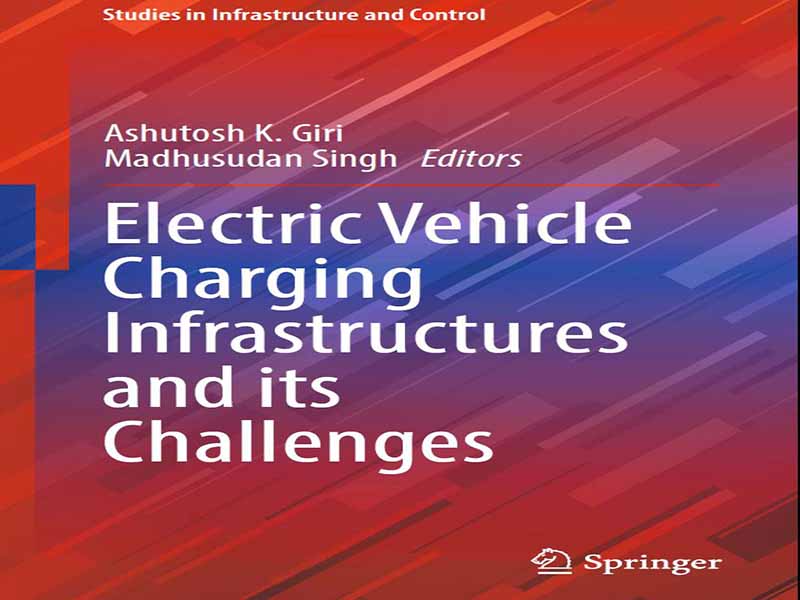
- عنوان کتاب: Electric Vehicle Charging Infrastructures and its Challenges
- نویسنده: Ashutosh K. Giri , Madhusudan Singh
- حوزه: وسایل نفلیه الکتریکی
- سال انتشار: 2025
- تعداد صفحه: 307
- زبان اصلی: انگلیسی
- نوع فایل: pdf
- حجم فایل: 5.19 مگابایت
برای کاهش انتشار گازهای گلخانهای در محیط زیست، خودروهای الکتریکی (EV) بهترین جایگزین برای خودروهای تجاری و شخصی مبتنی بر موتور احتراق داخلی (ICE) هستند. با این حال، تولید صرفاً خودروهای الکتریکی کافی نیست، زیرا زیرساختهای شارژ خودروهای الکتریکی (EVCI) نیز برای رشد بازار این خودروها به همان اندازه مهم است. از آنجایی که این خودروها با برق کار میکنند، چالشهای خاصی در نصب این زیرساختهای شارژ وجود دارد. مشکل اصلی اول، قابلیت اطمینان و ادغام منابع انرژی تجدیدپذیر به شبکه برای کاهش اضافه بار است. همچنین، پیشبینی بار و تنوع بار یکی دیگر از مسائل مهم برای جلوگیری از صف طولانی خودروها در ایستگاههای شارژ است. مسئله اصلی دیگر تمرکز بر کاهش زمان شارژ خودروهای تجاری و شخصی است. بنابراین، هدف اصلی کتاب پیشنهادی ارائه اصطلاحات اساسی زیرساختهای شارژ مانند انواع، سطوح و کاربردهای مناسب مبدلهای توان است. برای غلبه بر چالشهای فوق، فناوریهای مختلف ذخیرهسازی انرژی مانند استراتژیهای شارژ باتریهای لیتیوم یونی و سیستم مدیریت باتری (BMS) و تعویض باتری مورد بحث قرار گرفته است. از آنجایی که دولتهای مختلف مالیات بر خودروهای برقی را کاهش دادهاند و برای نصب زیرساختهای شارژ یارانه ارائه میدهند، این کار آسان است. از این رو، در این کتاب دستورالعملهای خاصی از سوی وزارت نیرو و وزارت مسکن (دولت هند) مورد بحث قرار گرفته است که میتواند به افراد در راهاندازی زیرساخت شارژ در سمت خود کمک کند. همچنین، ایدهها و مفاهیم جدید توسعهیافته توسط محققان/دانشگاهیان و مهندسان شاغل در حوزه زیرساختهای شارژ خودروهای برقی گنجانده شده است. استفاده گسترده از زیرساختهای الکترونیک قدرت برای بهبود قابلیت اطمینان و کارایی سیستم در سیستم شارژ خودروهای برقی متصل به شبکه و خارج از شبکه استفاده میشود. زیرساختهای تولید برق توزیعشده مبتنی بر باد، خورشید، آب و بسیاری از منابع انرژی تجدیدپذیر دیگر نیز برای ایجاد امکانات شارژ بهتر گنجانده شدهاند. استراتژی کنترل توان اکتیو و راکتیو به همراه تخمین و کنترل سایر پارامترها نیز برای محبوبیت این کتاب در بین خوانندگان گنجانده شده است. استفاده از الگوریتمهای کنترلی مختلف از جمله تکنیکها، تکنیکهای هوشمند برای تخمین و کنترل پارامترهای شارژ از ویژگیهای اضافه شده به کتاب پیشنهادی است. علاوه بر آن، برخی از الگوریتمهای کنترل کلاسیک و الگوریتمهای کنترل تطبیقی برای بهبود کیفیت توان، تأثیر زیادی در بین همه ذینفعان بخش زیرساخت خودروهای برقی ایجاد کردهاند. ویژگیهای اصلی این کتاب به شرح زیر است: ۱. فرصتها و چالشهای توسعه زیرساخت خودروهای برقی، انتخاب و کنترل توپولوژیهای مختلف مبدل توان مورد استفاده در آن. ۲. ادغام منابع انرژی تجدیدپذیر مانند انرژی خورشیدی، بادی و تولید برق آبی کوچک و میکرو در زیرساختهای شارژ خودروهای برقی. ۳. این کتاب شامل الگوریتمهای کنترل سنتی و پیشرفته برای کنترل توان و سایر تخمین پارامترهای شارژ خودروهای برقی است. تکنیکهای کنترل تطبیقی و بهینهسازی در کاربرد شارژ خودروهای برقی، ارزش افزودهای در آن هستند. خوانندگان قادر خواهند بود مفهوم ارائه شده در این کتاب را درک کنند و میتوانند در تحقیقات خود برای تقویت این حوزه بیشتر از آن استفاده کنند. نتایج شبیهسازی بر اساس توپولوژیهای مختلف زیرساخت شارژ خودروهای برقی، توجه خوبی را در بین خوانندگان ایجاد خواهد کرد. مدلسازی ریاضی الگوریتم کنترل و اعتبارسنجی تجربی آن نیز تأثیر خوبی بر ذهن خوانندگان خواهد گذاشت. معلمان، دانشجویان و مهندسان شاغل میتوانند از این کتاب برای کار خود بینش کسب کنند. این کتاب پوشش گستردهای از پیشرفتهای اخیر در حوزه زیرساختهای شارژ خودروهای برقی و ادغام شبکه آن، مبدلهای برق، استفاده از الکترونیک قدرت و کنترل آن ارائه میدهد.
For reducing the greenhouse emissions in the environment, electric vehicles (EV) are the best alternative of the internal combustion engine (ICE)-based commercial and private vehicles. However, production of merely EVs are not just sufficient as electrical vehicle charging infrastructures (EVCI) is equally important for market growth of these vehicles. Since these vehicles are electrically powered, there are certain challenges in installing these charging infrastructures. Formermajor problem is reliability and integration of renewable energy sources to grid for reducing the overloading. Also, the load forecasting and load diversity is another major issue to avoid the long queue of vehicles at charging stations. The other major issue is to focus on reducing the charging time of commercial and private vehicles. Therefore, the main aim of the proposed book is to present about the basic terminologies of charging infrastructures such as types, levels and suitable power converters applications.To overcome the aforesaid challenges, various energy storage technologies such as lithium ion batteries charging strategies and battery management system (BMS) and battery swapping have been discussed. Since, various govern- ments have reduced the tax on EVs and are providing subsidy for installing charging infrastructures, this is an easy task. Hence, in this book certain guidelines by the Ministry of Power and Ministry of Housing (Government of India) is discussed which can help an individual to set up a charging infrastructure at their end. Also, the novel idea and concepts developed by the researchers/academia and practising engi- neersworking in the domain of the EV charging infrastructures are incorporated. The extensive use of power electronics infrastructures are used for improving the system reliability and efficiency in on grid and off grid EV charging system. The infrastruc- tures of distributed power generation based on wind, solar, hydro and many other renewable energy sources have also incorporated to create better charging facility. The active and reactive power control strategy along with other parameters estima- tion and control are also included to make this book popular among the readers. The use of various control algorithms varying from techniques, intelligence tech- niques for estimation and control of charging parameters are added features of the proposed book. In addition to it, some classical control algorithms and adaptive type control algorithms for improved power quality have created big impact among all stakeholders of EV infrastructure segment. The main features of this book are given as follows: 1. The opportunities and challenges in EV infrastructure development, selection and control of various power converter topologies used in it. 2. Integration of renewable power sources such as solar, wind and small and micro hydropower generation into EV charging infrastructures. 3. This book contains the traditional as well as advanced control algorithms for power control and other EV charging parameter estimation. The adaptive control and optimization techniques in EV charging application are value addition in it. The readers will be able to understand the concept presented in this book and can utilize further in their research to boost this domain. Simulation results based on various infrastructure topology of EV charging will create the good interest among readers. Mathematical modelling of control algorithm and its experimental validation will also create good impact on readers’ minds. The teachers, students and practising engineers can take some insight for their work from this book. This book provides extensive coverage of recent developments in the area of EV charging infrastructures and its grid integration, power converters, use of power electronics and its control.
این کتاب را میتوانید از لینک زیر بصورت رایگان دانلود کنید:
Download: Electric Vehicle Charging Infrastructures and its Challenges





















نظرات کاربران