














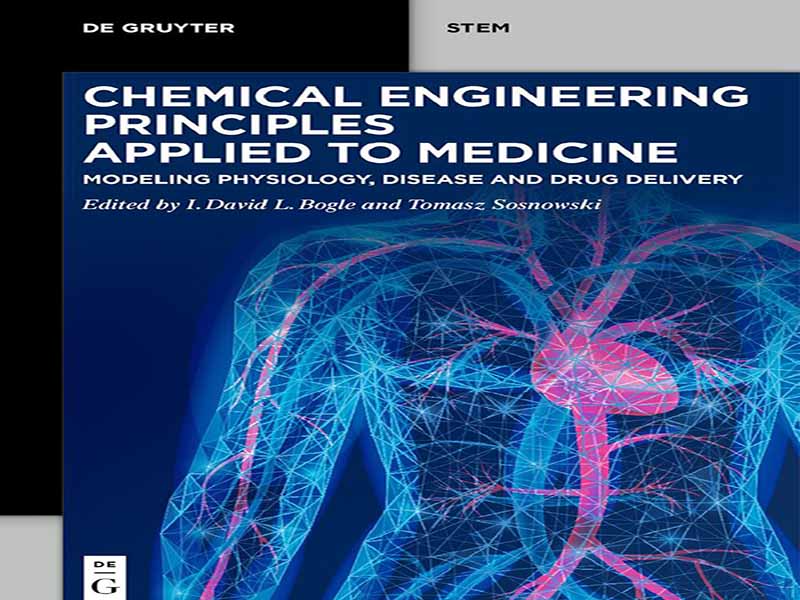
- عنوان کتاب: Chemical Engineering Principles Applied to Medicine
- نویسنده: David Bogle, Tomasz Sosnowski
- حوزه: دارو سازی
- سال انتشار: 2025
- تعداد صفحه: 505
- زبان اصلی: انگلیسی
- نوع فایل: pdf
- حجم فایل: 17.2 مگابایت
مهندسی شیمی و مهندسان شیمی فرآیندهای پیچیدهای را که شامل تغییرات شیمیایی و فیزیکی هستند، تجزیه و تحلیل، طراحی، اجرا و مدیریت میکنند: سیستمهای تولیدی، سیستمهای محیطی، سیستمهای آبی و بسیاری دیگر. فرضیه این کتاب این است که مهارتهای مهندسی شیمی میتواند در سیستم دیگری که شامل تغییرات شیمیایی و فیزیکی است نیز اعمال شود: فیزیولوژی و پزشکی انسان. پزشکی به دلیل پیشرفت عظیم در درک ژنتیک، متابولیسم، آناتومی و فیزیولوژی و تأثیر رژیم غذایی و طیف گستردهای از داروهای پیچیده که اغلب به صورت ترکیبی استفاده میشوند، به طور فزایندهای پیچیده شده است. حرفه پزشکی با تمام تخصصهای خود به طور فزایندهای تکهتکه شده است. ما معتقدیم که زمان آن رسیده است که رویکرد سیستمهای مهندسی را برای کمک به تجزیه و تحلیل و طراحی سیستمهای پزشکی توسعه دهیم تا به حرفه پزشکی در پشتیبانی از تصمیمگیری کمک کنیم، همانطور که سیستمهای محاسباتی اکنون در تولید مواد شیمیایی پیچیده استفاده میشوند. به این ترتیب، بدن را میتوان دوباره به عنوان سیستمی از سیستمها با ابزارهای محاسباتی مبتنی بر درک ما از فیزیولوژی (و احتمالاً در صورت لزوم با کمک هوش مصنوعی) در نظر گرفت تا به کشف سیستمهای پیچیده و استفاده از اثرات ترکیبی و هم افزایی چندین عمل به روشی که برای یک متخصص بالینی به صورت فردی غیرممکن است، کمک کند. البته بدن انسان سیستمی بسیار پیچیدهتر از سیستمهای تولیدی است، اما اکنون مجموعهای جامعتر از مدلهای ریاضی برای توصیف بسیاری از جنبههای فیزیولوژی وجود دارد که امکان بهکارگیری روشهای مهندسی کمی را در فیزیولوژی و پزشکی انسان فراهم میکند. این حوزه هنوز در مراحل اولیه توسعه است، اما امیدواریم این کتاب به ایجاد انگیزهای برای مهندسان شیمی بیشتر برای کار بر روی چنین مسائلی کمک کند. پیدایش این کتاب با تشکیل بخش جدیدی از فدراسیون اروپایی مهندسان شیمی به نام «مهندسی شیمی به عنوان کاربردی در پزشکی» همراه بوده است. از طریق این گروه، هدف ما ایجاد جامعهای قویتر از محققان و در نهایت متخصصانی است که در زمینه بهکارگیری رویکردها، ابزارها و روشهای مهندسی شیمی در جنبههای فیزیولوژی و پزشکی (بهویژه در اروپا و همچنین فراتر از آن) فعالیت میکنند. مهندسان و پزشکان هر دو حلکننده مشکلات هستند. این قیاس حتی در زبان متمایز ما نیز صادق است: «تحلیل» مشکل اغلب به عنوان تشخیص، «شبیهسازی» میتواند برای پیشبینی، «طراحی» برای تعیین بهترین اقدامات درمانی و «کنترل» برای مدیریت علائم استفاده شود. بخش جدید EFCE اولین جلسه خود را در پاریس در سال 2022 و دومین جلسه را در سالرنو در سال 2024 برگزار کرد و در کنفرانسهای ECCE، مجموعه گفتگوهای EFCE Spotlight و شماره ویژه مجله علوم مهندسی شیمی مشارکت داشته است. ما مشتاقانه منتظر فعالیت رو به رشد و جلسات و انتشارات آینده هستیم. این کتاب چهار بخش دارد. بخش اول (بوگل و مارتین) مقالهای آیندهنگر است که ایده پزشکی سیستمها و نقش مهندسی شیمی و مهندسان شیمی را در دنیای جدید پزشکی سیستمی کمی توسعه میدهد. بخش دوم، مدلسازی و فیزیولوژی، به توسعه مدلها در بخشهای خاصی از فیزیولوژی میپردازد: کبد (لیائو و همکاران)، ریهها (سوسنوفسکی و کوچاج)، پوست (سباستا-سائز و همکاران) و کلیهها (ضرغامیدهقانی و همکاران). بخش سوم، بیماری و درمان، شامل مطالبی در مورد بیماریهای خاص مانند پرکاری تیروئید (مانکا)، بیماریهایی مانند دیابت که به اندازهگیری گلوکز متکی هستند (گواتی و همکاران)، مدلهای انتقال داروهای سرطانشناسی در بافتهای سرطانی (گونزالس-گارسینو و همکاران)، همودیالیز برای بیماریهای کبدی (کانسیلا و همکاران)، تصلب شرایین (یدرزیژاک و همکاران) و بیماری فون ویلبراند (گالوانین و همکاران) است. بخش چهارم، فارماکوکینتیک و دارورسانی، با مقدمهای بر کتاب «فارماکولوژی سیستمهای کمی برای مهندسان شیمی» از دو متخصص صنعتی (آبیاتی و پیچاردو) و مطالبی در مورد دارورسانی برای سرطان مغز (دلوسکا و همکاران)، ژندرمانی برای هموفیلی B (جمیلی و همکاران) و دارورسانی اسیدهای نوکلئیک (بالدینو) آغاز میشود. البته بین بخشها همپوشانی وجود دارد زیرا همه آنها بر جنبههای فیزیولوژی، بیماری و دارورسانی تمرکز دارند، اما این سازماندهی به مشخص کردن تمرکز اصلی هر بخش کمک میکند و به خواننده در جهتیابی کمک میکند. مطمئناً قرار نیست جامع باشد، اما منعکس کننده فعالیتهایی است که در آغاز چیزی که امیدواریم یک جامعه به سرعت در حال رشد باشد، در حال انجام است. امیدواریم این مشارکتها شما را با جنبههایی از فیزیولوژی و پزشکی از دیدگاه جامعه مهندسی شیمی آشنا کند و شما را به مشارکت بیشتر در این زمینه هیجانانگیز و به سرعت در حال توسعه ترغیب کند. دیوید بوگل (دانشگاه کالج لندن) و توماس سوزنوفسکی (دانشگاه فناوری ورشو)
Chemical Engineering and Chemical Engineers analyze, design, operate and manage complex processes that involve chemical and physical change: manufacturing systems, environmental systems, water systems and many others. The premise of this book is that the Chemical Engineering skillset can also apply to another system that involves chemical and physical change: human physiology and medicine. Medicine has become increasingly complex because of the huge development in understanding of genetics, metabolism, anatomy and physiology and the influence of diet and an increasingly wide array of sophisticated medicines often used in combination. The medical profession has become increasingly fragmented with all its specialisms. We believe that the time is ripe to develop the engineering systems approach to assist in analysis and design of medical systems to assist the medical profession with decision support in the same way that computational systems are now used in complex chemical manufacturing. In this way the body can again be seen as a system of systems with computational tools based on our understanding of physiology (and possibly aided by Artificial Intelligence where appropriate) to help to explore the complex systems and the use of combinatorial and synergistic effects of multiple actions in a way that is impossible for an individual clinical specialist. Of course the human body is a much more complex system than manufacturing systems but there is now a more comprehensive set of mathematical models to describe many aspects of physiology making it possible to bring to bear quantitative engineering methodologies to human physiology and medicine. The area is still early in development but we hope this book will help provide a stimulus for more Chemical Engineers to work on such problems. The book genesis has come alongside the formation of a new Section of the European Federation of Chemical Engineers called ‘Chemical Engineering as Applied to Medicine’. Through this group we aim to create a stronger community of researchers, and eventually practitioners, working in applying Chemical Engineering approaches, tools and methodologies to aspects of physiology and medicine (particularly in Europe but also beyond). Engineers and clinicians are both problem solvers. The analogy even works in our distinctive language: ‘analysis’ of the problem is often referred to as diagnosis, ‘simulation’ could be used for prognosis, ‘design’ for determining the best therapeutic actions, and ‘control’ for managing symptoms. The new EFCE Section had its inaugural meeting in Paris in 2022, the second meeting in Salerno in 2024 and has contributed to the ECCE conferences, the EFCE Spotlight talk series and a Special issue of Chemical Engineering Science. We look forward to a growing activity and future meetings and publications. The book has four parts. The first (Bogle and Martin) is a perspective article developing the idea of Systems Medicine and the role of Chemical Engineering and Chemical Engineers in this new world of quantitative systems medicine. The second part, Modeling and Physiology, looks at developing models in specific parts of physiology: the liver (Liao et al.), the lungs (Sosnowski and Kuczaj), the skin (Sebastia-Saez et al.) and the kidneys (Zarghamidehaghani et al.). The third part, Disease and Treatment, has contributions on specific diseases such as hyperthyroidism (Manca), those such as diabetes which rely on glucose measurement (Guati et al.), transport models for oncology drugs in cancer tissues (González-Garcinuño et al.), haemodialysis for liver disease (Cancilla et al.), atherosclerosis (Jędrzejczak et al.) and von Willebrand disease (Galvanin et al.). The fourth part, Pharmacokinetics and Drug Delivery, begins with an introduction to Quantitative Systems Pharmacology for Chemical Engineers from two industrial practitioners (Abbiati and Pichardo) and contributions on drug delivery for brain cancer (Dluska et al.), gene therapy for haemophilia B (Jamili et al.) and delivery of nucleic acids (Baldino). There is of course some overlap between parts since they all focus on aspects of physiology, disease and drug delivery but this organization helps signal the key focus of each contribution and helps the reader navigate. It is certainly not meant to be comprehensive but to reflect the activity that is underway at the beginning of what we hope will be a fast growing community. We hope you find these contributions stimulating in introducing you to aspects of physiology and medicine from the view of the Chemical Engineering community and that it stimulates you to become more involved in this exciting and fast developing field. David Bogle (University College London) and Tomasz Sosnowski (Warsaw University of Technology)
این کتاب را میتوانید از لینک زیر بصورت رایگان دانلود کنید:
Download: Chemical Engineering Principles Applied to Medicine





















نظرات کاربران