











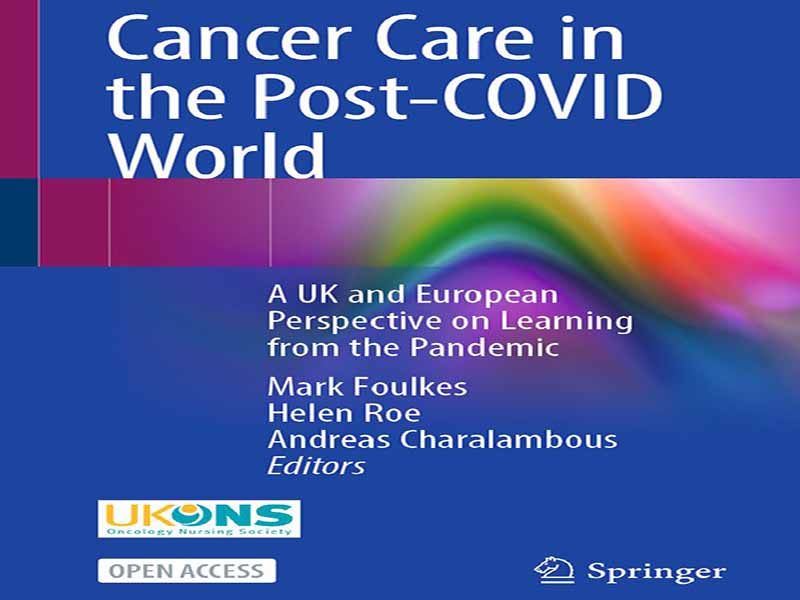
- عنوان کتاب: Cancer Care in the Post-COVID World -A UK and European Perspective on Learning from the Pandemic
- نویسنده: Mark Foulkes, Helen Roe, Andreas Charalambous
- حوزه: سرطان
- سال انتشار: 2026
- تعداد صفحه: 228
- زبان اصلی: انگلیسی
- نوع فایل: pdf
- حجم فایل: 4.71 مگابایت
همهگیری کووید-۱۹ مهمترین وضعیت اضطراری بهداشت عمومی با نگرانی بینالمللی (PHEIC) در ۱۰۰ سال گذشته بود. این وضعیت منجر به اختلال جهانی، تحولات اجتماعی-اقتصادی در مقیاس وسیع و متأسفانه، تلفات جانی گسترده شد. عفونت با ویروس SARS-CoV-2 به طور نامتناسبی جمعیتهای آسیبپذیر، از جمله سالمندان، زنان، جوامع کمدرآمد، اقلیتهای نژادی و قومی و افراد دارای بیماریهای زمینهای را تحت تأثیر قرار داد [1]. گروهبندی نهایی این فهرست شامل افرادی با سطحی از نقص ایمنی، مانند افراد مبتلا به سرطان، بود. این کتاب به بررسی تأثیرات همهگیری کووید-۱۹ بر این گروه از بیماران، از دیدگاه بریتانیا و اروپا و کسانی که در طول این مدت آنها را درمان، مراقبت و حمایت کردهاند، میپردازد. این کتاب تجربه بیماران مبتلا به سرطان و احتمالاً دریافت درمانهای تضعیفکننده سیستم ایمنی را مورد بحث قرار میدهد. همچنین تأثیر آن بر سیستمهای بهداشتی مراقبت از این افراد را چه از منظر مدیریت بیمار یا از منظر تأثیرات بر آموزش کارکنان مراقبتهای بهداشتی در طول همهگیری بررسی میکند. همهگیری کووید-۱۹ باعث اختلال شد، اما با افزایش استفاده از فناوری، تطبیق درمان و یادگیری سریع در مورد تأثیر فیزیولوژیکی ویروس SARS-CoV-2 بر جمعیت سرطانی و نحوه محافظت از آنها، فرصتی پربار برای نوآوری در مراقبت از سرطان فراهم کرد. این کتاب این نوآوریها را بررسی میکند و تلاش میکند تا یادگیری از این دوره را از دیدگاه مراقبت طولانیمدت از سرطان، در بافتار قرار دهد. همچنین به اثربخشی مدیریت یک بحران بیسابقه سلامت، سهم کسانی که در مراقبت از سرطان کار میکنند و آنچه از تجربیات آنها آموخته شده است، توجه شده است. یکی از پیامدهای آشکار همهگیری کووید-۱۹ ترس از بیماری و مرگ، افزایش انزوای اجتماعی و تأثیر عمیق آن بر سلامت روان جمعیتهای جهانی بود. این تأثیر در جمعیت افراد مبتلا به سرطان و ارائه دهندگان خدمات درمانی در سراسر اروپا و بریتانیا بیشتر شد. این تأثیرات و مکانیسمهای حمایتی احتمالی در این کتاب و همچنین هرگونه یادگیری طولانیمدت در مورد بهترین راه برای حفظ سلامت روان کارکنان بهداشتی در مراقبت از سرطان و سایر افرادی که از بیماران حمایت میکنند، مانند کسانی که در «بخش سوم» کار میکنند، در نظر گرفته شده است. همزمان با پنجمین سالگرد شروع همهگیری، این کتاب فرصتی را فراهم میکند تا اثرات فوری و بلندمدت همهگیری کووید-۱۹ بر مراقبت از سرطان را بررسی کنیم، در مورد تجربیات و آموختهها تأمل کنیم و به ما در توسعه و اجرای استراتژیهای بالقوه برای ادغام تابآوری آینده در مراقبت از سرطان کمک کنیم. این موارد شامل نیاز به افزایش حمایت از سلامت روان برای بیماران و متخصصان انکولوژی، تقویت رویکردی نوآورانه برای یادگیری سریع و مدیریت بهداشت عمومی و تدوین برنامههایی برای کاهش اثرات همهگیریهای آینده بر مراقبت از سرطان خواهد بود.
The Covid-19 pandemic represented the most significant public health emergency of international concern (PHEIC) of the last 100 years. It resulted in global disruption, socio-economic upheaval on a huge scale and, sadly, a massive loss of life. Infection with the SARS-CoV-2 virus disproportionally affected vulnerable populations, including older adults, women, lower-income communities, racial and ethnic minorities and individuals with underlying health conditions [1]. The final grouping of this list included people with a level of immunocompromise, such as individuals with a cancer diagnosis. This book addresses the effects of the Covid-19 pandemic upon this patient group, from a United Kingdom and European perspective and those who treated, cared and supported them throughout. This book discusses the experience of patients with a cancer diagnosis and possibly receiving immunocompromising treatments. It also considers the impact on the health systems caring for these individuals whether from a perspective of patient management or _low to the effects on the education of healthcare workers during the pandemic. The COVID-19 pandemic caused disruption but also provided a fertile opportunity for innovations in cancer care with an increased use of technology, treatment adaptation and rapid learning on the physiological impact of the SARS-CoV-2 virus on the cancer population and how they might be protected. This book considers these innovations and attempts to contextualise the learning from this period from a point of view of longer-term cancer care. There is also a consideration of the effectiveness of managing an unprecedented health crisis, the contribution of those working in cancer care and what was learned from their experiences. An obvious consequence of the COVID-19 pandemic was the fear of illness and death, increased social isolation and the profound effect on the mental health of global populations. This effect was magnified in the population of persons diagnosed with cancer and healthcare providers across Europe and the United Kingdom. These effects and possible support mechanisms are considered in this book as well as any longer-term learning on the best way to maintain the mental health of health workers in cancer care and others supporting patients such as those working within the ‘third sector’. As we pass the 5-year anniversary of the commencement of the pandemic this book provides an opportunity to examine the immediate and longer-term effects of the COVID-19 pandemic on cancer care, to reflect on experiences and learning and to help us in developing and implementing potential strategies to integrate future resilience into cancer care. These will include the need for increased mental health support for both patients and oncology professionals, fostering an innovative approach to rapid learning and public health management and putting plans in place to mitigate the effects on cancer care of future pandemics.
این کتاب را میتوانید از لینک زیر بصورت رایگان دانلود کنید:
Download: Cancer Care in the Post-COVID World















نظرات کاربران