









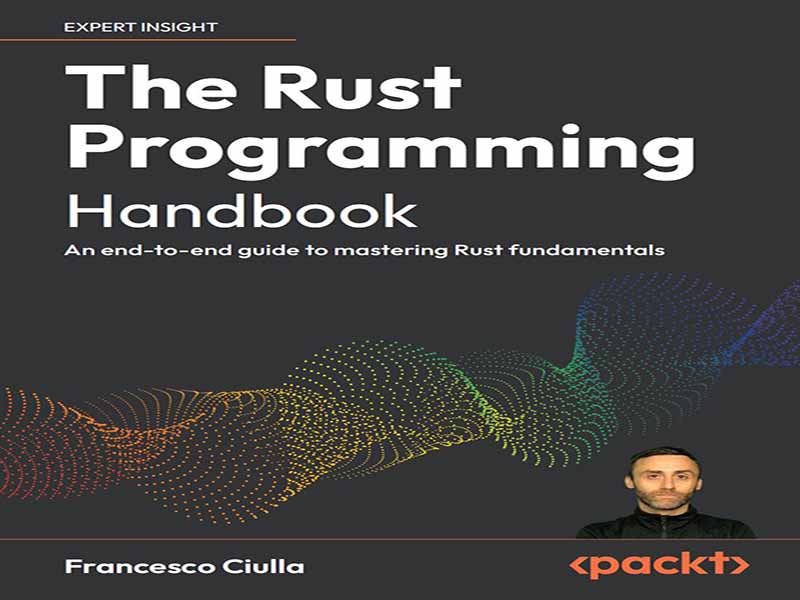
- عنوان کتاب: The Rust Programming -Handbook An end-to-end guide to mastering Rust fundamentals
- نویسنده: Francesco Ciulla
- حوزه: برنامهنویسی RUST
- سال انتشار: 2025
- تعداد صفحه: 768
- زبان اصلی: انگلیسی
- نوع فایل: pdf
- حجم فایل: 7.72 مگابایت
اگر این کتاب را در دست دارید، احتمالاً در مورد Rust کنجکاو هستید. شاید از همکارتان که مدام در مورد عالی بودن آن صحبت میکرد، در مورد آن شنیده باشید. شاید مقالهای در مورد آن به صورت آنلاین خوانده باشید. یا شاید مدتی است که مطالب من را دنبال میکنید و بالاخره تصمیم گرفتهاید ببینید که این همه هیجان برای چیست. هر چه که شما را به اینجا آورده، خوشحالم که به آن رسیدهاید. این کتاب دو هدف اصلی دارد. ما بر اصول اولیه مسلط خواهیم شد و مثالهای واقعی و عملی را بررسی خواهیم کرد. در تجربه گستردهام به عنوان یک معلم، دریافتهام که این دو چیز وقتی با هم ترکیب شوند، بهترین عملکرد را دارند. ما فقط به تئوری در خلاء نگاه نخواهیم کرد. ما از آن برای ساخت چیزها استفاده خواهیم کرد. Rust پتانسیل باورنکردنی برای آینده دارد. من صادقانه معتقدم که به بهترین زبان برای دوران هوش مصنوعی (AI) تبدیل خواهد شد. وقتی با هوش مصنوعی کد میزنیم، به نتیجه نهایی با عملکرد بالا نیاز داریم، اما به چیزی نیز نیاز داریم که خواندن و اصلاح آن آسان باشد. Rust به آن تعادل کامل بین سرعت و وضوح دست مییابد. همچنین با کامپایلر معروف Rust بسیار آشنا خواهید شد. من دوست دارم این کامپایلر را به عنوان یک “مادربزرگ مزاحم” توصیف کنم. او بدخلق، ایرادگیر، کمی کند حرکت میکند و همیشه از کاری که شما انجام میدهید شکایت دارد. در ابتدا میتواند ناامیدکننده باشد! اما باید به یاد داشته باشید که درست مانند یک مادربزرگ، او فقط به این دلیل شکایت میکند که بهترین را برای شما میخواهد. او میخواهد شما در امان باشید. در طول این فرآیند یادگیری، برای لحظات شگفتانگیز آماده باشید. Rust فقط حس متفاوتی ندارد. بلکه کاملاً متفاوت است. این امر به ویژه در مورد بحث در مورد مدیریت حافظه صادق است. این امر نیاز به تغییر در نحوه تفکر شما دارد، اما جزئیات آن را برای فصلهای بعدی نگه میدارم. سفر پیش رو گاهی اوقات چالش برانگیز خواهد بود، اما همچنین پاداش دهنده خواهد بود. شما در حال یادگیری ابزاری هستید که شما را به یک توسعهدهنده بهتر تبدیل میکند، صرف نظر از اینکه در آینده از چه زبانی استفاده میکنید. پس، یک قهوه بگیرید، لپتاپ خود را باز کنید و شروع کنیم. بیایید همه چیز را با هم انجام دهیم! این کتاب برای توسعهدهندگانی که با زبانهایی مانند جاوا، جاوا اسکریپت یا پایتون آشنا هستند و علاقهمند به گذار به Rust هستند، طراحی شده است. اگر این موارد شما را توصیف میکند، از سرعت و سطح جزئیات کتاب قدردانی خواهید کرد. مبتدیان نیز میتوانند از این کتاب استفاده کنند، اما لطفاً توجه داشته باشید که منحنی یادگیری ممکن است شیبدارتر باشد. برای اینکه کتاب متمرکز و قابل مدیریت باشد (و از ایجاد یک دایرهالمعارف عظیم جلوگیری شود)، من درک اولیهای از مفاهیم برنامهنویسی رایج را در نظر گرفتهام. اگر با موضوعاتی مانند معماری وب مواجه شدید که به طور عمیق توضیح داده نشدهاند، توصیه میکنم قبل از ادامه، مکث کنید و در مورد آن مفاهیم تحقیق کنید. آنچه این کتاب پوشش میدهد: فصل 1، شروع به کار با Rust، زبان برنامهنویسی Rust را معرفی میکند، فرآیند نصب را به تفصیل شرح میدهد و شما را در نوشتن اولین برنامه خود با استفاده از زنجیره ابزار Cargo راهنمایی میکند. فصل 2، نحو و توابع Rust، تعریف متغیرها، انواع دادهها و ساختارهای کنترل را بررسی میکند و نحوه مدیریت توابع و اصول مالکیت Rust را نشان میدهد. فصل 3، توابع در Rust، بر ساختاردهی مؤثر کد با تعریف توابع و سازماندهی آنها در ماژولها برای مدیریت قابلیت مشاهده و استفاده مجدد در پروژههای شما تمرکز دارد. فصل 4، مالکیت، قرض گرفتن و ارجاعات، به رویکرد انقلابی مدیریت حافظه Rust میپردازد و توضیح میدهد که چگونه این مفاهیم به هم پیوسته از خطاهای رایج مانند اشارهگرهای معلق و رقابتهای داده جلوگیری میکنند. فصل ۵، انواع ترکیبی در Rust و سیستم ماژول، استفاده از ساختارها و enumها را برای ساخت ساختارهای دادهای سازمانیافته، از جمله نحوه مدیریت انواع با تطبیق الگو و اعمال صفات، پوشش میدهد. فصل ۶، مقدمهای بر مدیریت خطا، به مکانیسمهای مدیریت خطای Rust میپردازد و نحوه استفاده از Result، Option و panic handling را برای ساخت برنامههای ایمن و قابل اعتماد توضیح میدهد. فصل ۷، چندریختی و طول عمرها، چندریختی را در Rust معرفی میکند و نحوه استفاده از genericها برای انواع دادههای انعطافپذیر، صفات برای تعریف رفتار مشترک و اعتبارسنجی ارجاعات با طول عمرها را نشان میدهد. فصل ۸، برنامهنویسی شیگرا در Rust، بررسی میکند که چگونه Rust از اصول شیگرایی مانند کپسولهسازی و چندریختی با استفاده از سیستم صفت و ساختارها که در فصل قبل معرفی شدند، پشتیبانی میکند. فصل ۹، تفکر تابعی در Rust، بر تکرارکنندهها و بستهها تأکید میکند و بررسی میکند که چگونه این ویژگیها کد قدرتمند، مختصر و رسا را فعال میکنند که عملکرد Rust را افزایش میدهد. فصل 10، تست در Rust، برجسته میکند که چگونه Rust نوشتن تستها را آسان و لذتبخش میکند و به شما کمک میکند تا از عملکرد صحیح کد خود و حفظ کیفیت آن در طول زمان اطمینان حاصل کنید. فصل 11، اشارهگرهای هوشمند و مدیریت حافظه، بر ابزارهایی مانند Box، Rc و Arc تمرکز میکند و نحوه استفاده از آنها برای مدیریت حافظه برای مالکیت مشترک و دسترسی ایمن به نخ را توضیح میدهد. فصل 12، مدیریت منابع سیستم، مدیریت کارآمد منابع حافظه و پردازنده را با جزئیات شرح میدهد و در مورد مدیریت سطح پایین بدون جمعآوری زباله بحث میکند. فصل 13، همزمانی و موازیسازی، ویژگیهای قدرتمندی را برای برنامهنویسی همزمان، تضمین ایمنی نخ و جلوگیری از اشکالاتی مانند رقابت دادهها پوشش میدهد.
If you are holding this book, you are probably curious about Rust. Maybe you heard about it from a colleague who wouldn’t stop talking about how great it is. Maybe you read an article about it online. Or, perhaps you have been following my content for a while and finally decided to see what all the excitement is about. Whatever brought you here, I am glad you made it. This book has two main goals. We will master the fundamentals and examine real, practical examples. In my extensive experience as a teacher, I have found that these two things work best when combined. We will not just look at theory in a vacuum. We will use it to build things. Rust has incredible potential for the future. I honestly believe it will become the best language for the era of Artificial Intelligence (AI). When we code with AI, we need the final result to be high-performance, but we also need something that is easy to read and modify. Rust hits that perfect balance between speed and clarity. You will also get very familiar with the famous Rust compiler. I like to describe the compiler as an “annoying grandma.” She is grumpy, picky, moves a bit slowly, and is always complaining about what you are doing. It can be frustrating at first! But you have to remember that, just like a grandma, she only complains because she wants the best for you. She wants you to be safe. Be prepared for some mind-blowing moments during this learning process. Rust does not just feel different. It is different. This is especially true when discussing memory management. It requires a shift in how you think, but I will save the details of that for the later chapters. The journey ahead will be challenging at times, but it will also be rewarding. You are learning about a tool that will make you a better developer, no matter what language you use in the future. So, grab a coffee, open your laptop, and let’s get started. Let’s crush it! This book is designed for developers familiar with languages such as Java, JavaScript, or Python who are interested in transitioning to Rust. If that describes you, you’ll appreciate the book’s pace and level of detail. Beginners are also welcome, but please note that the learning curve may be steeper. To keep the book focused and manageable (and avoid creating a massive encyclopedia), I have assumed a basic understanding of common programming concepts. If you come across topics, such as web architecture, that aren’t explained in depth, I recommend pausing to research those concepts before continuing. What this book covers: Chapter 1, Getting Started with Rust, introduces the Rust programming language, details the installation process, and guides you through writing your first program using the Cargo toolchain. Chapter 2, Rust Syntax and Functions, explores variable declarations, data types, and control structures, and demonstrates how Rust handles functions and ownership principles. Chapter 3, Functions in Rust, focuses on structuring code effectively by defining functions and organizing them into modules to manage visibility and reusability across your projects. Chapter 4, Ownership, Borrowing, and References, dives into Rust’s revolutionary memory management approach, explaining how these interlinked concepts prevent common errors such as dangling pointers and data races. Chapter 5, Composite Types in Rust and the Module System, covers the use of structs and enums to construct well-organized data structures, including how to handle variants with pattern matching and apply traits. Chapter 6, Introduction to Error Handling, dives into Rust’s error handling mechanisms, explaining how to use Result, Option, and panic handling to build safe and reliable applications. Chapter 7, Polymorphism and Lifetimes, introduces polymorphism in Rust, demonstrating how to use generics for flexible data types, traits to define shared behavior, and validating references with lifetimes. Chapter 8, Object-Oriented Programming in Rust, examines how Rust supports object-oriented principles such as encapsulation and polymorphism using the trait system and structs introduced in the previous chapter. Chapter 9, Thinking Functionally in Rust, emphasizes iterators and closures, exploring how these features enable powerful, concise, and expressive code that leverages Rust’s performance. Chapter 10, Testing in Rust, highlights how Rust makes it easy and enjoyable to write tests, helping you ensure your code works correctly and the quality remains high over time. Chapter 11, Smart Pointers and Memory Management, focuses on tools such as Box, Rc, and Arc, explaining how they are used to manage memory for shared ownership and thread-safe access. Chapter 12, Managing System Resources, details the efficient management of memory and processor resources, discussing low-level handling without a garbage collector. Chapter 13, Concurrency and Parallelism, covers powerful features for concurrent programming, ensuring thread safety and preventing bugs such as data races and deadlocks. Chapter 14, Rust for Web Development: Building Fullstack Applications, demonstrates how to build fullstack applications, seamlessly integrating backend and frontend components using Rust’s ecosystem. Chapter 15, System Programming in Rust: Concrete Examples, provides practical examples of low-level development, such as interacting with file I/O, networking, and hardware. Chapter 16, Dockerization and Deployment of Rust Applications, focuses on the practical aspects of containerizing Rust applications with Docker and implementing CI/CD strategies for reliable deployment. Appendix, Common Pitfalls in Rust Programming (online), addresses typical challenges and mistakes encountered by developers, offering community insights and best practices to avoid them.
این کتاب را میتوانید از لینک زیر بصورت رایگان دانلود کنید:
Download: The Rust Programming























نظرات کاربران