














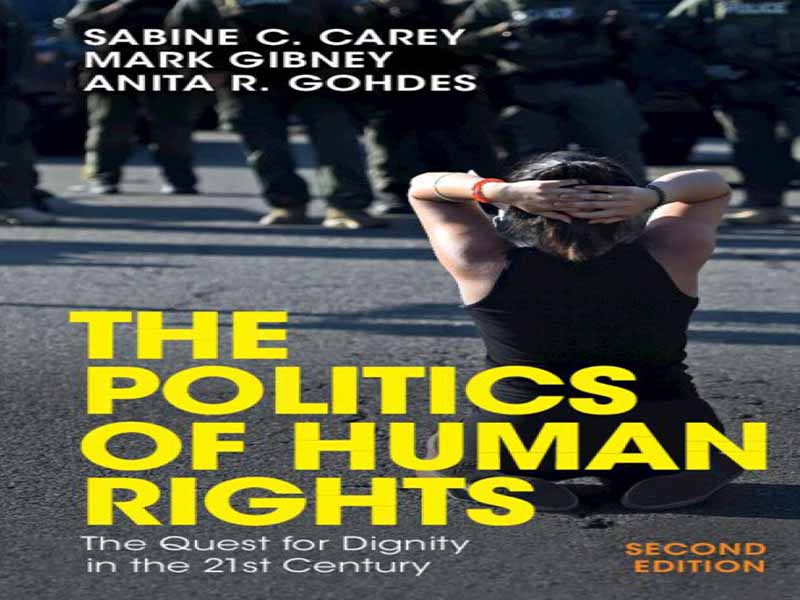
- عنوان کتاب: The Politics of Human Rights
- نویسنده: Sabine C. Carey, Mark Gibney, Anita R. Gohdes
- حوزه: حقوق بشر
- سال انتشار: 2026
- تعداد صفحه: 239
- زبان اصلی: انگلیسی
- نوع فایل: pdf
- حجم فایل: 2.54 مگابایت
این کتاب به عنوان مقدمهای بر سیاست حقوق بشر طراحی شده است. این کتاب برای هر کسی که به این حوزه علاقهمند است، مناسب است و برای کلاسهای حقوق بشر و برای بررسی این موضوع در دورههای مرتبط در نظر گرفته شده است. از نظر ما، «حقوق بشر» یکی از مهمترین و جالبترین موضوعات است. مطالعه حقوق بشر اساساً در مورد نحوه رفتار ما با همه افراد دیگری است که این سیاره را با آنها به اشتراک میگذاریم. تلاش برای احترام به حقوق بشر، تلاشی برای کرامت انسانی است. حقوق بشر در مورد به رسمیت شناختن، ارج نهادن و محافظت از کرامت انسانی هر یک از هشت میلیارد نفر روی این سیاره است. وقتی حقوق بشر محافظت نشود، کرامت انسانی قربانی نادیده گرفته میشود. اما کاری که این کار انجام میدهد، انکار انسانیت در همه ماست. ما تمام تلاش خود را کردهایم تا بر انسانیتی که حقوق بشر بر آن استوار است تمرکز کنیم. بنابراین، این کتاب نسبت به سایر کتابهای این حوزه، کمتر نظری و کمتر تاریخی است. ما ویژگیهای منحصر به فرد چاپ اول را در این نسخه کاملاً اصلاح شده حفظ و تقویت کردهایم. این کتاب مفهومسازی کاملاً متفاوتی از حقوق بشر را در مقایسه با برخوردی که معمولاً در سایر کتابهای درسی یافت میشود، ارائه میدهد. اگرچه رویکرد غالب، جهانشمولی حقوق بشر را تصدیق میکند، اما اغلب با محدود کردن مسئولیت حفاظت از آنها صرفاً به دولت سرزمینی، با این اصل در تضاد است. این دیدگاه، خطر تقلیل حقوق بشر به چیزی بیش از فهرستی از جنایات ارتکابی در سرزمینهای دوردست را به همراه دارد که به عنوان مسائلی که فقط «دیگران» را درگیر و تحت تأثیر قرار میدهند، تلقی میشوند. رویکرد ما به طور قابل توجهی از این چارچوب فاصله میگیرد. ما تأکید میکنیم که حقوق بشر نه تنها ماهیتی جهانشمول دارد، بلکه وظیفه حفاظت و اجرای آنها نیز به همان اندازه جهانشمول است. حقوق بشر ریشه در اصل انسانیت مشترک دارد، اما همچنین مستلزم مسئولیت مشترک برای رعایت آنهاست. یکی دیگر از ویژگیهای متمایز این ویرایش دوم، مانند ویرایش اول، رویکرد تجربی ما است که با استفاده از روشهای کمی برای بررسی سیاست حقوق بشر استفاده میکند. حداقل، حقوق بشر، قانون، سیاست، تاریخ، اقتصاد، اخلاق، دین و اخلاق را گرد هم میآورد. ما متقاعد شدهایم که مطالعه حقوق بشر از طریق روش علمی، از جمله تجزیه و تحلیل آماری، بسیار بهبود مییابد. اگرچه این ممکن است در ابتدا ناخوشایند به نظر برسد – یا بدتر از آن، باعث اضطراب ریاضی شود – اما به زودی متوجه خواهید شد که این رویکرد به حقوق بشر چقدر میتواند مفید و آموزنده باشد تا بفهمید کجا و چه نوع حقوق بشر نقض میشود، چرا نقض میشود و برای محافظت از آنها چه کاری میتوان انجام داد. در این ویرایش دوم، ما از طیف گستردهای از مطالعات تجربی استفاده میکنیم تا خواننده را با آخرین یافتهها در مورد چرایی نقض حقوق بشر و آنچه ممکن است حفاظت از حقوق بشر را بهبود بخشد، آشنا کنیم. یکی دیگر از جنبههای جدید کتاب ما این است که ما نه تنها سوالات بحث و پیشنهاداتی برای کتابهای بیشتر در مورد موضوعات مطرح شده در هر فصل ارائه میدهیم. ما فهرست گستردهای از فیلمها و – که به تازگی در ویرایش دوم اضافه شدهاند – پادکستها و وبسایتهایی را گردآوری کردهایم که بر اهمیت حقوق بشر برای احترام و محافظت از کرامت انسانی ما تأکید میکنند. برای پیشنهادات بیشتر در مورد فیلم، خواننده را به کتاب مارک گیبنی با عنوان «تماشای حقوق بشر، 101 فیلم برتر» (2013) ارجاع میدهیم.
This book is designed as an introduction to the politics of human rights. It is suitable for anyone interested in this field and is intended for classes on human rights and for the treatment of the subject in related courses. In our view, ‘human rights’ is one of the most important and most interesting subjects. The study of human rights is essentially about how we treat all other people with whom we share this planet. Striving for the respect of human rights is a quest for human dignity. Human rights are about recognizing, honouring, and protecting the human dignity of each one of the eight billion people on this planet. When human rights are not protected, the victim’s human dignity is ignored. But what it also does is to deny the humanity in all of us. We have made every effort to focus on the humanity on which human rights is based. Therefore, this book is less theoretical and less historical than other books in this realm. We have maintained and further strengthened the unique features of the first edition in this extensively revised version. This book offers a markedly different conceptualization of human rights compared to the treatment typically found in other textbooks. While the dominant approach acknowledges the universality of human rights, it often contradicts this principle by confining the responsibility for their protection solely to the territorial state. This perspective risks reducing human rights to little more than a catalogue of atrocities committed in distant lands, perceived as issues involving and affecting only ‘others’. Our approach departs significantly from this framework. We emphasize that human rights are not only universal in nature but that the duty to protect and enforce them is equally universal. Human rights are grounded in the principle of shared humanity, but they also demand a shared responsibility to uphold them. Another distinguishing feature of this second edition, as of the first, is our empirical approach, using quantitative methods to explore the politics of human rights. At a minimum, human rights brings together law, politics, history, economics, ethics, religion, and morality. We are convinced that the study of human rights is greatly enhanced through scientific method, including statistical analysis. Although this might sound off-putting at first — or worse, induce maths anxiety – you will soon discover how useful and informative this approach to human rights can be to understand where and what types of human rights are violated, why they are violated, and what can be done to protect them. In this second edition, we draw on a wide range of empirical studies to introduce the reader to the latest findings on why human rights are violated and what might improve the protection of human rights. Another novel aspect of our book is that we not only provide discussion questions and suggestions of further books on the subjects covered in each chapter. We put together an extensive list of films and, newly added in the second edition, podcasts and websites that emphasize the importance of human rights for respecting and protecting our human dignity. For more film suggestions, we point the reader to Mark Gibney’s book Watching Human Rights, the 101 Best Films (2013).
این کتاب را میتوانید از لینک زیر بصورت رایگان دانلود کنید:
Download: The Politics of Human Rights






















نظرات کاربران