














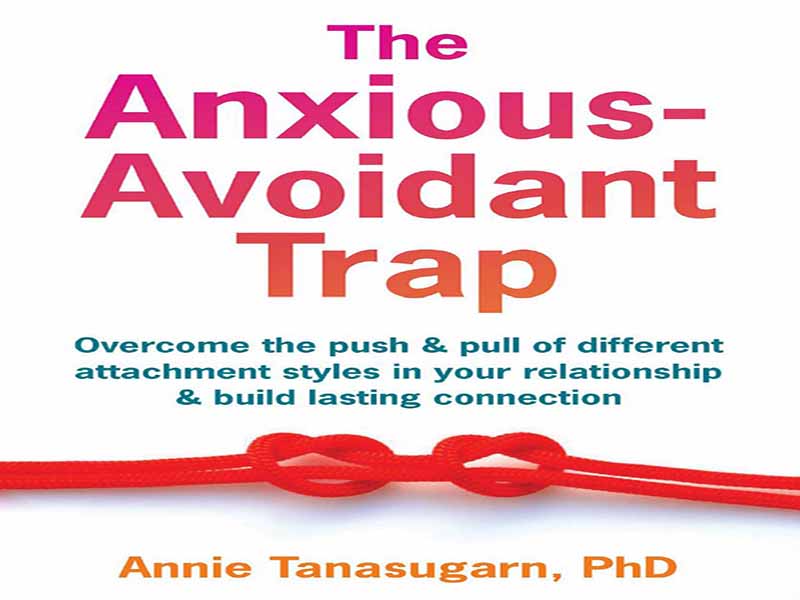
- عنوان کتاب: The Anxious-Avoidant Trap
- نویسنده: Annie Tanasugarn
- حوزه: اضطراب
- سال انتشار: 2025
- تعداد صفحه: 186
- زبان اصلی: انگلیسی
- نوع فایل: pdf
- حجم فایل: 1.12 مگابایت
تبریک میگویم که گامی مثبت در جهت توانمندسازی خود و رابطه عاشقانهتان برداشتهاید! با یادگیری نحوه بررسی سبکهای دلبستگی منحصر به فرد خود و شریک زندگیتان با ابزارهای ارائه شده در این کتاب، میتوانید پویاییهایی را که ممکن است بر کیفیت و ثبات رابطهتان تأثیر بگذارند، روشن کنید. از آنجا که رابطه عاشقانه شما یکی از صمیمیترین روابطی است که با آن مواجه خواهید شد، اگر چیزی در آن به انحراف برود، میتواند به ویژه استرسزا باشد. خوشبختانه، این کتاب با در نظر گرفتن شما و شریک زندگیتان نوشته شده است تا به هر یک از شما کمک کند هرگونه ناامنی دلبستگی را که ممکن است بر نحوه رویکرد شما به رابطهتان تأثیر بگذارد، آشکار کنید. برای شروع، بیایید چند اصطلاح مهم را که در این کتاب با آنها مواجه خواهید شد، تعریف کنیم. نظریه دلبستگی، دریچهای است که برای بررسی رفتارهایی که مختص سبک دلبستگی منحصر به فرد یک فرد هستند، استفاده میشود. سبک دلبستگی را میتوان به صورت مقولهای یا ابعادی تعریف کرد. رویکردهای مقولهای، سبک دلبستگی یک فرد را بسته به الگوهای رفتاری او، در دستههای خاصی مانند “ایمن” یا “مضطرب” طبقهبندی میکنند. رویکردهای ابعادی، سبک دلبستگی یک فرد را در امتداد یک پیوستار دلبستگی شناسایی میکنند. رویکردهای ابعادی در نظریه دلبستگی، ظرافتهای بیشتری را در نظر میگیرند، به طوری که ممکن است یک فرد در برخی ویژگیهای خاص، بالاتر و در برخی دیگر پایینتر باشد. به عنوان مثال، کسی که سبک دلبستگی ایمنتری دارد، سطوح بالاتری از اعتماد به دیگران را نشان میدهد، مرزهای محکمی دارد و راحتتر میتواند نیازها و آسیبپذیریهای خود را بیان کند. با این حال، این نباید به این معنی باشد که از آنجایی که آنها در این ویژگیهای ایمن بالاتر هستند، باید در تمام ویژگیهای ایمن نیز بالاتر باشند. این فرد ممکن است همچنان در شرایط یا زمینههای خاص، برخی از ناامنیها را نشان دهد. از طرف دیگر، کسی که سبک دلبستگی مضطرب-دوسوگرا یا سبک دلبستگی طردکننده-اجتنابی دارد، معمولاً در روابط اولیه خود دچار گسستهایی شده است که شکافهای عاطفی و رفتاری در نحوه ارتباط او با دیگران ایجاد کرده است. در سراسر این کتاب، اصطلاحات “سبک دلبستگی مضطرب” و “سبک دلبستگی اجتنابی” برای راحتی استفاده خواهد شد. شکافهای عاطفی و رفتاری مشاهده شده در سبکهای دلبستگی ناایمن بر نحوه ارتباط فرد با دیگران تأثیر میگذارند. به این موارد زخمهای دلبستگی یا ناامنیهای دلبستگی گفته میشود. به عنوان مثال، اگر شما فردی با سبک دلبستگی مضطربتر هستید، ممکن است توسط شریک زندگی خود “چسبنده” خطاب شوید. ممکن است اصرار داشته باشید که زمان بیشتری را با شریک زندگی خود بگذرانید، یا وقتی با او نیستید، اصرار داشته باشید که با او تماس بگیرید. با سبک دلبستگی مضطربتر، ممکن است در جستجوی تناقضات در گفتهها و اعمال شریک زندگی خود، یا در جستجوی اطمینان خاطر عاطفی از او یا دیگران، بیش از حد هوشیار باشید. همچنین ممکن است با احساس ناکافی بودن دست و پنجه نرم کنید، در طول درگیری واکنش نشان دهید، یا معتقد باشید که شریک زندگیتان در نهایت شما را به خاطر شخص دیگری رها خواهد کرد. این رفتارها با کشش به سمت دیگری، یا به دنبال اعتبار، آسایش و اطمینان خاطر بودن، طنینانداز میشوند. هنگام بررسی دلبستگی در امتداد یک پیوستار، الگوهای رفتاری متفاوتی وجود دارد، از جمله اینکه این رفتارها چه زمانی و در چه زمینههایی نمایش داده میشوند. با این حال، روش کلی پاسخ شما با سبک دلبستگی مضطربتر سازگار خواهد بود. برعکس، اگر فردی با سبک دلبستگی اجتنابی هستید، ممکن است در زمان نیاز نتوانید به دیگران اعتماد یا تکیه کنید، بیش از حد مستقل به نظر برسید، در شناسایی یا برچسبگذاری احساسات خود مشکل داشته باشید و در طول درگیری تمایل به خاموش شدن داشته باشید. این رفتارها با دور کردن، یا جستجوی فضا، استقلال و فاصله گرفتن به منظور کاهش احساس غرق شدن، طنینانداز میشوند. همانند سایر سبکهای دلبستگی، الگوهای رفتاری دلبستگی اجتنابی نیز متفاوت هستند، از جمله اینکه این رفتارها چه زمانی و در چه زمینههایی بروز میکنند. با این حال، روش کلی پاسخ شما نسبتاً با الگوی اجتنابیتر سازگار خواهد بود. سبک دلبستگی منحصر به فرد شما مبتنی بر تجربیات زیسته بسیاری است، از جمله اولین روابط شما با مراقبان اصلیتان و توانایی آنها در فراهم کردن عشق، توجه، آسایش و احساس امنیت کافی برای شما. سبک دلبستگی همچنین تحت تأثیر محیط، هنجارهای اجتماعی، عوامل اجتماعی-اقتصادی و تجربیات نامطلوب اولیه شما قرار دارد. همه این تجربیات میتوانند بر نوع سبک دلبستگی شما و نحوه تعامل شما با شریک زندگیتان تأثیر بگذارند. غیرمعمول نیست که در برخی از زمینههای زندگی خود احساس دلبستگی ایمنتری داشته باشید در حالی که در برخی دیگر احساس امنیت کمتری داشته باشید. در نهایت، درک پویایی دافعه-کشش مهم است. به عبارت ساده، پویایی دافعه-کشش میتواند بر هر رابطهای تأثیر بگذارد، اما بیشتر در بین زوجهای رمانتیک با سبکهای دلبستگی متضاد، به ویژه یک شریک دلبستگی مضطرب و یک شریک دلبستگی اجتنابی، مشاهده میشود. این دو سبک دلبستگی متضاد، در کنار هم، یک تله اضطراب-اجتنابی ایجاد میکنند که به موجب آن الگوهای ناسالم در رابطه تکرار میشوند و منجر به بنبست در ارتباط، مشکل در برآورده کردن نیازهای عاطفی و رابطهای یکدیگر و سوءتفاهم میشوند.
Congratulations on taking a positive step in helping empower yourself and your romantic relationship! By learning how to explore your and your partner’s unique attachment styles with the tools provided in this book, you can begin to shed light on the dynamics that may be impacting the quality and stability of your relationship. Because your romantic relationship is one of the most intimate relationships you will encounter, it can feel especially stressful if something goes sideways within it. Luckily, this book has been written with both you and your partner in mind to help each of you unpack any attachment insecurities that may be influencing how you approach your relationship. To start, let’s define a few important terms you’ll encounter in this book. Attachment theory is the lens used to examine behaviors that are specific to a person’s unique attachment style. Attachment style can be defined as categorical or dimensional. Categorical approaches label a person’s attachment style into specific categories, such as “secure” or “anxious,” depending on their behavior patterns. Dimensional approaches identify a person’s attachment style along an attachment continuum. Dimensional approaches in attachment theory allow for more nuance, whereby a person may be higher in some specific traits and lower in others. For example, someone with a more overall secure attachment style exhibits higher levels of trust toward others, has firm boundaries, and is more easily able to communicate their needs and vulnerabilities. Yet, this should not suggest that since they are higher in these secure traits that they should be higher in all secure traits. This person may still display some insecurities in certain conditions or contexts. On the flip side, someone with a more anxious-ambivalent attachment style or dismissive-avoidant attachment style has typically experienced ruptures in their early relationships that have left emotional and behavioral gaps in how they relate to others. Throughout this book, the terms “anxious attachment style” and “avoidant attachment style” will be used for convenience. The emotional and behavioral gaps seen in insecure attachment styles affect how a person relates to others. These are called attachment wounds or attachment insecurities. For example, if you are someone with a more anxious attachment style, you may be called “clingy” by your partner. You may insist on spending more time with your partner, or insist on contacting your partner when not with them. With a more anxious attachment style, you may be hypervigilant in looking for inconsistencies in what your partner says and does, or in seeking emotional reassurance from them or others. You may also struggle with feelings of inadequacy, become reactive during conflict, or believe that your partner will eventually abandon you for someone else. These behaviors resonate with pulling toward another, or seeking validation, comfort, and reassurance. When examining attachment along a continuum, there are variances in behavior patterns, including when these behaviors are displayed and in what contexts. However, your overall way of responding will be consistent with a more anxious attachment style. Contrarily, if you are someone with an avoidant attachment style, you may be unable to trust or depend on others in your time of need, appear hyperindependent, struggle to identify or label your feelings, and tend to shut down during conflict. These behaviors resonate with pushing away, or seeking space, autonomy, and distance in order to feel less overwhelmed. As with other attachment styles, there are variances in avoidantly attached behavior patterns, including when these behaviors are displayed and in what contexts. Yet, your overall way of responding will remain relatively consistent with a more avoidant pattern. Your unique attachment style is based on many lived experiences, including your earliest relationships with your primary caregivers and their ability to have provided you with sufficient love, attention, comfort, and a sense of safety. Attachment style is also influenced by your environment, societal norms, socioeconomic factors, and early adverse experiences. All of these experiences can influence the type of attachment style you develop and how you engage in your relationship with your partner. It’s not uncommon to feel more securely attached in some areas of your life while feeling less secure in others. Finally, it’s important to understand what a push-pull dynamic is. Simply put, a push-pull dynamic can affect any relationship but is most commonly noticed among romantic couples with opposing attachment styles, especially one anxiously attached partner and one avoidantly attached partner. Together, these two opposing attachment styles create an anxious-avoidant trap whereby unhealthy patterns repeat within the relationship, leading to a stalemate in communication, difficulty meeting each other’s emotional and relational needs, and misunderstandings between partners. The more intimate the relationship, the greater the possibility that a stressor will impact the quality of that relationship. Hence, a push-pull dynamic can include differing needs for intimacy, opposing needs for autonomy versus dependence, differences in coping with stress, and contrasting communication styles—leading to unhealthy patterns that reinforce and maintain an anxious-avoidant trap.
این کتاب را میتوانید از لینک زیر بصورت رایگان دانلود کنید:
Download: The Anxious-Avoidant Trap






















نظرات کاربران