










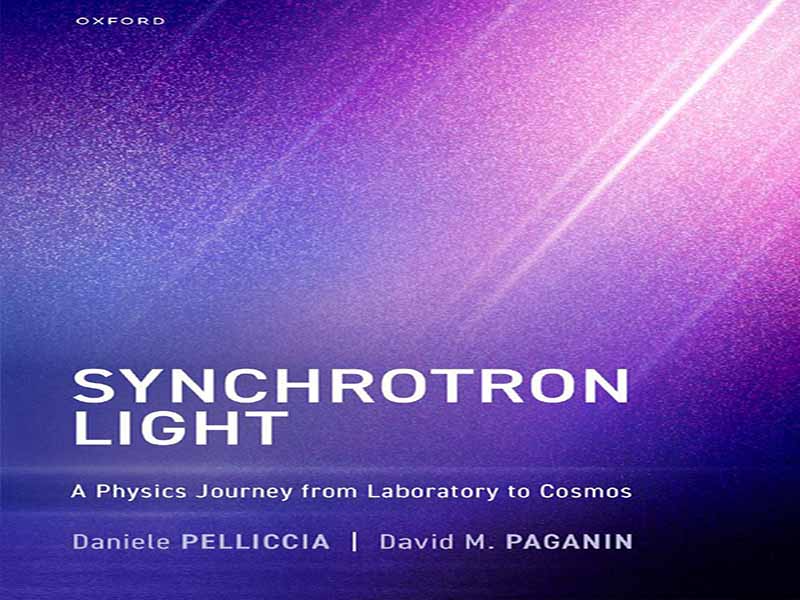
- عنوان کتاب: Synchrotron Light A Physics Journey from Laboratory to Cosmos
- نویسنده: Daniele Pelliccia, David M. Paganin
- حوزه: فیزیک کیهانی
- سال انتشار: 2025
- تعداد صفحه: 737
- زبان اصلی: انگلیسی
- نوع فایل: pdf
- حجم فایل: 12.6 مگابایت
ایده اولیه کتابی در مورد نور سینکروترون – یعنی تابش بارهای شتابدار که با سرعتی نزدیک به سرعت نور حرکت میکنند – از مجموعهای از سخنرانیهای یکی از ما ناشی شد. این سخنرانیها توسط دانیله در طول سالهای ۲۰۱۲ تا ۲۰۱۵ برای دانشجویان دانشگاه موناش (ملبورن، استرالیا) تهیه و ارائه شد. دوره دانیله اصول اولیه تولید نور سینکروترون در شتابدهندههای زمینی را به دانشجویان کارشناسی ارشد فیزیک و مهندسی ارائه میداد. در تهیه یادداشتهای سخنرانی و مطالب آموزشی مرتبط برای این دوره، بلافاصله مشخص شد که با وجود ادبیات گسترده در مورد این موضوع، منابع موجود در سطح مناسب به طرز شگفتآوری کم هستند و در مقالات مختلف، فصلهای کتاب یا یادداشتهای سخنرانی پراکنده شدهاند. به طور خاص، ادبیات موجود در مورد فیزیک سینکروترون یا بیش از حد فنی یا بیش از حد کیفی به نظر میرسید. در حالی که این انتشارات راهنماییهای فوقالعادهای برای آمادهسازی دوره سخنرانی دانیله ارائه میدادند، کار قابل توجهی برای رساندن بحث به سطح مناسب مورد نیاز بود. این حداقل برداشت دانیل بود، که شاید سادهلوحانه، با توجه به سطح بلوغ موضوع، انتظار کار آسانتری را داشت. او فکر میکرد: «واقعاً باید کسی کتابی در سطح مناسب بنویسد تا شکاف بین روایتهای ابتدایی و مونوگرافهای سطح تحقیق را پر کند». چند سال به جلو، به سال ۲۰۱۸. هر دو نویسنده در طول آزمایشی در سینکروترون اروپا (ESRF، گرنوبل، فرانسه) در مورد همین موضوع بحث میکردند. البته برای همکاران حامی روشن بود که «کسی» که بهترین موقعیت را برای نوشتن چنین کتابی دارد، نویسندهی سخنرانیهای دانشگاه موناش در مورد فیزیک نور سینکروترون است. اکنون، گزارههای خوب اغلب کوتاهمدت هستند. در آن زمان، برای ایدهی این کتاب نیز همینطور بود. این تصور در آغاز سال ۲۰۲۰، زمانی که یک بیماری همهگیر جهانی بسیاری از ما را مجبور به قرنطینه خانگی کرد، دوباره مطرح شد. در مواجهه با چشمانداز ماهها انزوا، گزارهی کتاب دوباره و ناگهان بسیار واقعی شد. در یک تماس ویدیویی مبهم و سورئال (در نگاه به گذشته)، دانیل با دیوید در مورد احتمال نوشتن این کتاب به عنوان یک «پروژه قرنطینه» صحبت کرد. دانیل با توجه به تجربه قبلی دیوید به عنوان نویسنده کتاب (دی. ام. پاگانین، اپتیک منسجم اشعه ایکس، انتشارات دانشگاه آکسفورد، ۲۰۰۶) از او چند پیشنهاد خواست. خاطرات دیوید از همان تماس ویدیویی چیزی شبیه به این است. او از اینکه دانیل میخواست کتابی در مورد فیزیک نور سینکروترون بنویسد خوشحال بود و در مورد نحوه تهیه پیشنهاد کتاب، هم او را تشویق کرد و هم توصیههای عملی ارائه داد. او پیشنهاد داد که در مورد پیشنویس پیشنهاد به دانیل بازخورد بدهد، اما وقتی در پایان جلسه ویدیویی، دانیل از او خواست که به عنوان نویسنده همکار فعالیت کند، بسیار متعجب شد. دیوید این فرصت را هم ترسناک و هم جذاب یافت. دیوید پس از اینکه روشن کرد که در زمینه فیزیک نور سینکروترون متخصص نیست، اما اگر دانیل از توضیح برخی اصول اولیه برای او مشکلی نداشته باشد، با کمال میل آنچه را که لازم است یاد میگیرد، موافقت کرد که به این پروژه بپیوندد. در ابتدا قرار بود این کتاب، خلاصهای مختصر از یادداشتهای درسی باشد که دانیل قبلاً روی آنها کار کرده بود. با این حال، همزمان با توسعه طرح، مشخص شد که میخواهیم چیزی بنویسیم که هم قابل فهم باشد و هم دامنه وسیعتری داشته باشد. هر دوی ما احساس میکردیم که محدود کردن خود به توصیفات سنتی از منابع سینکروترون مبتنی بر شتابدهنده، بسیار محدودکننده است. به طور خاص، در ابتدای پروژه، هنوز درک نمیکردیم که فیزیک نور سینکروترون در اخترفیزیک انرژی بالای معاصر چقدر فراگیر است. علیرغم برداشتهای اولیهی بیش از حد محدود ما از یک موضوع «قدیمی» و تا حد زیادی جا افتاده در مورد فیزیک پایهی ماشینهای نور سینکروترون زمینی، ادبیات مربوط به منابع اخترفیزیکی تابش سینکروترون – همراه با تعمیمهایی به نیروهای غیرالکترومغناطیسی و همچنین جنبههای مکانیک کوانتومی نور سینکروترون – نشان میدهد که فیزیک سینکروترون بسیار بیشتر از آن چیزی است که یک بررسی اجمالی از کتابهای موجود در مورد این موضوع در ابتدا ممکن است نشان دهد. بنابراین، تصمیم گرفتیم که کتاب ما رویکردی کاملاً فیزیکی به تابش سینکروترون داشته باشد. کتاب ما یک سفر است، یا بهتر بگوییم، چندین سفر ممکن. بسیاری از حوزههای فیزیک، از جمله نسبیت خاص، الکترودینامیک کلاسیک، نظریه کوانتومی، اخترفیزیک، فیزیک نوری، مکانیک کلاسیک و فیزیک محاسباتی، پوشش داده شده است، اما محدود به این موارد نیست. ما کتاب خود را نوشتهایم تا دانشجویان و متخصصان بسیاری از رشتههای علوم فیزیکی بتوانند از آن بهرهمند شوند. ما احساس کردیم که این رویکرد به اندازه کافی غیرمعمول است، بنابراین تصمیم گرفتیم یک بخش اختصاصی در فصل مقدماتی کتاب اضافه کنیم تا مسیرهای مختلفی را که میتوان برای مطالعه موضوع، بسته به علاقه و سطح خواننده، در پیش گرفت، توضیح دهیم. ما در اینجا بیشتر در مورد راهنمایی «تعدد مسیرها» که در فصل مقدماتی ارائه شده است، بحث نخواهیم کرد. در عوض، بر آرزوی خود تأکید میکنیم که تنوع مسیرها در طول کتاب، آن را قادر میسازد تا با یک یا چند نفر صحبت کند – و به جرات میتوانیم بگوییم، آنها را گرد هم آورد.
The initial idea for a book on synchrotron light—namely radiation from accelerated charges moving at close to the speed of light—arose from a series of lectures by one of us. These were prepared and delivered by Daniele during 2012–2015, to students at Monash University (Melbourne, Australia). Daniele’s course presented the basics of synchrotronlight generation in terrestrial accelerators to upper-level undergraduate students of physics and engineering. In developing the lecture notes and related learning materials for this course, it became immediately clear that, despite the vast literature on the subject, the available resources at the appropriate level were surprisingly few, being scattered through various papers, book chapters, or lecture notes. In particular, the existing synchrotron-physics literature was felt to be either too technical or too qualitative. While these publications provided superb guidance to the preparation of Daniele’s lecture course, considerable work was required to bring the discussion to the right level. That was at least the impression of Daniele, who, perhaps na¨ıvely, was expecting an easier task given the level of maturity of the subject. ‘Somebody should really write a book at the right level’, he thought, ‘to bridge the gap between elementary accounts and research-level monographs’. Fast-forward a few years, to 2018. Both authors were discussing this very topic, during an experiment at the European Synchrotron (ESRF, Grenoble, France). It was, of course, clear to supportive colleagues that the ‘somebody’ best positioned to write such a book was the author of the Monash University lectures on the physics of synchrotron light. Now, good propositions are often short-lived. So it was, at that time, for this book idea. The notion resurfaced at the beginning of 2020, when a global pandemic forced many of us into home lockdown. Faced with the prospect of months in isolation, the book proposition became again, and suddenly, very real. In a vaguely surreal (in hindsight) video call, Daniele discussed with David the prospect of writing this book as a ‘lockdown project’. Daniele solicited a few suggestions from David, given the latter’s previous experience as a book author (D. M. Paganin, Coherent X-Ray Optics, Oxford University Press, 2006). David’s recollections of the same video call go something like this. He was pleased that Daniele wanted to write a book on the physics of synchrotron light, and gave both encouragement and practical advice regarding how to prepare a book proposal. He offered to give Daniele feedback on a draft proposal, but was rather surprised when, at the end of the video meeting, Daniele asked him to be a co-author. David found the opportunity both scary and appealing. After making it clear that he was no expert on the physics of synchrotron light, but would gladly learn what was needed if Daniele didn’t mind explaining certain basics to him, David agreed to join the project. The book was initially intended to be a slender refinement of the lecture notes Daniele had worked on previously. As the plan was being developed, however, it became evident that we wanted to write something at once accessible and significantly broader in scope. Both of us felt that limiting ourselves to traditional descriptions of accelerator-based synchrotron sources was too restrictive. In particular, at the beginning of the project we did not yet appreciate how pervasive the physics of synchrotron light is, in contemporary high-energy astrophysics. Despite our unduly limited first impressions of an ‘old’, largely settled subject on the basic physics of terrestrial synchrotron-light machines, the literature on astrophysical sources of synchrotron radiation—together with generalisations to non-electromagnetic forces, as well as quantum-mechanical aspects of synchrotron light—shows that there is much more to synchrotron physics than a cursory exploration of existing books on the subject might initially suggest. We decided, therefore, that our book would take an all-of-physics approach to synchrotron radiation. Our book is a journey, or rather, multiple possible journeys. Many areas of physics are covered, including, but not limited to, special relativity, classical electrodynamics, quantum theory, astrophysics, optical physics, classical mechanics, and computational physics. We have written our book so that students and practitioners of many disciplines within the physical sciences can benefit. We felt this approach to be sufficiently unusual, that we decided to add a dedicated section in the introductory chapter to the book, to explain the different paths that can be taken to study the subject, depending on the interest and level of the reader. We won’t further discuss the ‘multiplicity of pathways’ guidance given in the introductory chapter, here. Instead, we emphasise our wish that the variety of paths through the book will enable it to ‘speak to’—and, we daresay, bring together—a number of often-disconnected communities of learners. To choose just one example of our desire to write a book which connects scientific communities that in our view would benefit from strengthened ties, we hope our volume will be studied by both (i) those whose primary interest in the physics of synchrotron light is its application to purpose-built terrestrial synchrotron light sources, and (ii) those whose primary focus is astrophysical sources of synchrotron light. Our desire to reach several different communities in the quantitative physical sciences—together with the aim to write a book accessible to upper-level undergraduates in physics, engineering, and astronomy— raises an educational question regarding prerequisite knowledge. We could simply assume the reader to be well versed in the relevant formalism of the topics listed near the beginning of the previous paragraph, in particular with aspects of relativistic quantum mechanics, phase-space formulations of classical mechanics, chaos theory, quantum optics, highenergy physics, and so on. We felt that assuming such a breadth of background knowledge, while being commensurate with how pervasive the synchrotron-light concept is throughout the broader fabric of physics, would exclude a large fraction of readers. Instead, we opted to explain key aspects of the required background physics, as need arises in the text. One important exception is special relativity, which is front-endloaded in Chapter 2. We make this exception because, in our view, we can’t even begin to properly understand emission by ultra-relativistic charges, until we have a firm grounding in special relativity. We derive all core results from first principles, since we believe this to be essential to genuine physics understanding, and moreover because such an approach makes the book self-contained. Upper undergraduatelevel mathematical apparatus is used throughout. We do not shy away from rough derivations, for example on several occasions when our deliberately limited mathematical level makes this unavoidable. Moreover, we obtain some of our core results from more than one perspective, in order to develop a clarifying multiplicity of viewpoints. There are many equations in this book, but we always tie the mathematics firmly to underlying principles and concepts, often in the context of the broader fabric of physics. After all, mathematics is the language of nature, at least in the quantitative physical sciences. When underpinned by geometric and conceptual insights, we have the ingredients that are crucial to a deep understanding and appreciation of the physics of synchrotron light.
این کتاب را میتوانید از لینک زیر بصورت رایگان دانلود کنید:
Download: Synchrotron Light






















نظرات کاربران