








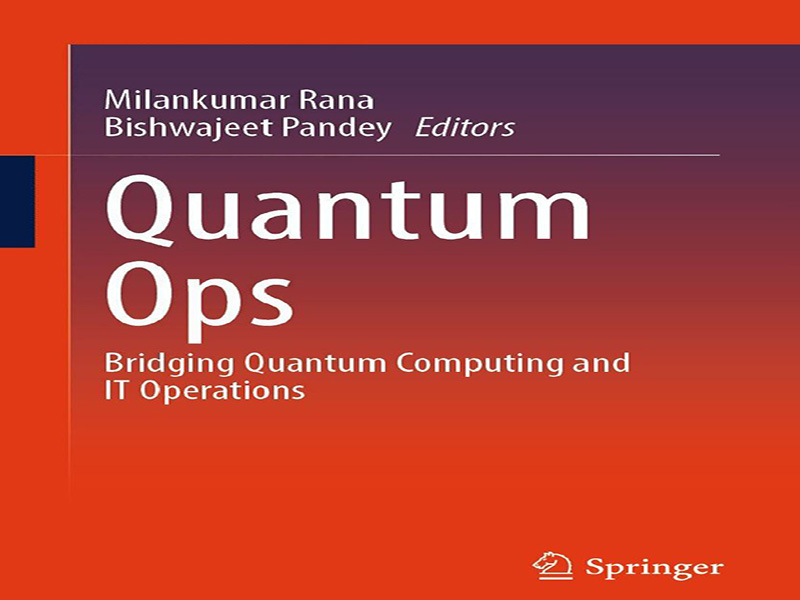
- عنوان کتاب: Quantum Ops, Bridging Quantum Computing and IT Operations
- نویسنده: Milankumar Rana, Bishwajeet Pandey
- حوزه: محاسبات کوانتومی
- سال انتشار: 2026
- تعداد صفحه: 317
- زبان اصلی: انگلیسی
- نوع فایل: pdf
- حجم فایل: 5.20 مگابایت
ظهور سریع محاسبات کوانتومی، نقطه عطف مهمی در تاریخ محاسبات بوده است. برخلاف بیتهای دودویی که در محاسبات مرسوم استفاده میشوند، اجزای اساسی محاسبات کوانتومی کیوبیتها، درهمتنیدگی و برهمنهی نامیده میشوند. به همین دلیل، میتواند وظایفی را با دادههایی انجام دهد که قبلاً انجام آنها بسیار دشوار تصور میشد. هدف این کتاب، تلاش برای برآوردن تقاضای رو به رشد برای یک منبع جامع است که اصول محاسبات کوانتومی و همچنین کاربردهای بالقوه این فناوری را در زمینههای مختلف بررسی کند. در چند فصل اول کتاب، مفاهیم اساسی این حوزه مورد بحث قرار گرفته است. در فصل «مبانی محاسبات کوانتومی: فراتر از بیتهای کلاسیک»، که توسط سواتی کارنی نوشته شده است، مقدمهای مختصر در مورد عملکرد فیزیک کوانتومی در محاسبات ارائه میدهد و توضیح میدهد که چگونه از الگوهای سنتی متمایز است. ساراسواتی میشرا در توضیح گسترده خود در مورد «کیوبیتها، گیتهای کوانتومی و مدارهای کوانتومی»، زمینه را برای درک چگونگی دستکاری حالتهای کوانتومی برای انجام عملیات منطقی فراهم میکند. اشوین پراکاش نالوید جنبههای عملی برنامهنویسی را در «برنامهنویسی کوانتومی: زبانها و چارچوبها» ارائه میدهد و ارتباطی بین تئوری و عمل برقرار میکند. این کتاب با ایجاد یک پایه محکم، به الگوریتمهای کوانتومی و پیشگیری از خطا، دو حوزه حیاتی که تحقیقات معاصر را پیش میبرند، میپردازد. فصل «الگوریتمهای کوانتومی کلیدی: الگوریتمهای شور، گروور و کاربردها» نوشته خان شریا حسن اوپوما، بر پیامدهای قابل توجه شتابهای کوانتومی برای رمزنگاری، جستجو و بهینهسازی تأکید دارد. اومکار بهالکار بر «تصحیح خطای کوانتومی و کاهش نویز» تمرکز دارد و به چالش مهم حفظ انسجام در حالتهای کوانتومی ظریف – یک مسئله حیاتی برای عملی بودن و قابلیت اطمینان رایانه کوانتومی – میپردازد. فصلهای بعدی، دسترسی رو به رشد و ادغام محاسبات کوانتومی در سیستمهای عملی را نشان میدهند. «خدمات ابری کوانتومی: دستیابی به قدرت کوانتومی» نوشته مونیکا مالک، چشمانداز به سرعت در حال گسترش پلتفرمهای کوانتومی مبتنی بر ابر را ارائه میدهد که دسترسی جهانی را برای دانشگاهیان و توسعهدهندگان در سراسر جهان تسهیل میکند. کشاو کومار بررسی عمیقی از «شبیهسازی کوانتومی و تکنیکهای شبیهسازی» ارائه میدهد و نشان میدهد که چگونه شبیهسازیها، بررسی پدیدههای کوانتومی و ارزیابی الگوریتمها در سیستمهای کلاسیک را تسهیل میکنند. پس از آن، کتاب به حوزههای نوآوری میانرشتهای میپردازد. کتاب «یادگیری ماشین کوانتومی: ادغام کوانتومی و هوش مصنوعی» نوشته سخیتا سری گاد، بررسی میکند که چگونه اصول کوانتومی میتوانند هوش مصنوعی را متحول کنند و شاید منجر به پیشرفتهایی در شناسایی الگو و بهینهسازی شوند. آنوراگ ردی، در «امنیت کوانتومی – رمزنگاری و چشمانداز تهدید»، عملکرد دوگانه فناوری کوانتومی را در به خطر انداختن سیستمهای رمزنگاری موجود و در عین حال تسهیل توسعه الگوهای جدید و امنتر، ترسیم میکند. کتاب «آینده فرآیندهای کوانتومی در شرکتها» نوشته وارون آواستی، با پیشبینی کاربردهای صنعتی، بررسی میکند که چگونه شرکتها ممکن است به آمادگی کوانتومی دست یابند و آن را در فرآیندهای تجاری بگنجانند. این مجموعه با تغییر الگو و همگرایی رشتهای به پایان میرسد. در کتاب «محاسبات کوانتومی به عنوان یک تغییر الگو در مهندسی مکانیک و مهندسی وابسته»، ویپول کومار شارما توضیح میدهد که چگونه روشهای کوانتومی میتوانند نحوه مدلسازی، شبیهسازی و بهینهسازی مهندسان را تغییر دهند. فصل آخر کتاب کشاو کومار، «کوانتوم بدون سختافزار: سرویسهای ابری و الگوی جدید محاسبات»، به موضوع دسترسیپذیری برمیگردد. این فصل نشان میدهد که چگونه افرادی که دسترسی مستقیم به سختافزار محاسبات کوانتومی ندارند، همچنان میتوانند از قابلیتهای آن استفاده کنند. این یک گام بزرگ به جلو در دسترس قرار دادن محاسبات پیشرفته برای همه است. این مشارکتها در کنار هم، یک داستان واحد را ارائه میدهند، از آغاز الگوریتمها و کاربردها گرفته تا احتمالات فعلی و تغییرات الگوی آینده. این کتاب دارای دیدگاهها و استعدادهای مختلف زیادی است که نشان میدهد محاسبات کوانتومی هم بین رشتهای و هم مشارکتی است. هر فصل به خودی خود مستقل است، اما به فصلهای دیگر نیز مرتبط است. این امر دنبال کردن آن را برای متخصصان و مبتدیان آسان میکند. این کتاب برای دانشمندان، مهندسان و دانشمندان کامپیوتر است که میخواهند بخشی از انقلاب کوانتومی باشند. ما امیدواریم که این مجموعه هم به عنوان مقدمه و هم به عنوان یک راهنمای آیندهنگر عمل کند و مشوق تحقیقات، همکاری و خلاقیت بیشتر باشد. میخواهیم از نویسندگان به خاطر سختکوشی، فداکاری و ایدههایشان، و همچنین از افراد جامعه که کنجکاوی و سرسختیشان عصر کوانتومی را به جلو میراند، تشکر کنیم.
The meteoric emergence of quantum computing has marked a significant turning point in the history of computing. In contrast to the binary bits that are utilized in conventional computing, the fundamental components of quantum computing are referred to as qubits, entanglement, and superposition. Because of this, it can perform tasks with data that were previously thought to be extremely difficult to accomplish. The purpose of this book is to attempt to satisfy the growing demand for a comprehensive resource that explores the fundamentals of quantum computing as well as the potential applications of this technology across a variety of fields. Within the first few chapters of the book, the fundamental concepts of the area are discussed. In the Chapter “Quantum Computing Fundamentals: Beyond Classical Bits”, which was written by Swati Karni, offers a concise introduction to the function of quantum physics in computing and explains how it is distinct from traditional paradigms. In her extensive explanation of “Qubits, Quantum Gates, and Quantum Circuits”, Saraswati Mishra lays the groundwork for understanding how to manipulate quantum states to carry out logical operations. Ashwin Prakash Nalwade presents the practical aspects of programming in “Quantum Programming: Languages and Frameworks”, establishing a connection between theory and practice. Having built a solid foundation, the book transitions to quantum algorithms and error prevention, two crucial areas propelling contemporary research. Khan Shariya Hasan Upoma’s chapter, “Key Quantum Algorithms: Shor’s, Grover’s, and Applications”, emphasizes the significant ramifications of quantum accelerations for cryptography, search, and optimization. Omkar Bhalekar focuses on “Quantum Error Correction and Noise Mitigation”, tackling the significant challenge of maintaining coherence in delicate quantum states—a critical issue for the practicality and reliability of quantum computer. The ensuing chapters illustrate the growing accessibility and integration of quantum computing into practical systems. Monika Malik’s “Quantum Cloud Services: Getting Quantum Power” presents the swiftly expanding landscape of cloud-based quantum platforms, facilitating universal access for academics and developers globally. Keshav Kumar offers an in-depth examination of “Quantum Simulation and Emulation Techniques”, illustrating how simulations facilitate the investigation of quantum phenomena and the evaluation of algorithms on classical systems. The book thereafter transitions to the realms of transdisciplinary innovation. Sakhita Sree Gadde’s “Quantum Machine Learning: Merging Quantum and AI” examine how quantum principles could transform artificial intelligence, perhaps leading to advancements in pattern identification and optimization. Anurag Reddy, in “Quantum Security— Cryptography and Threat Landscape”, delineates the dual function of quantum technology in jeopardizing existing cryptographic systems while simultaneously facilitating the development of novel, more secure paradigms. Anticipating industrial applications, Varun Awasthi’s the Future of Quantum processes in Enterprises examines how companies might achieve quantum readiness and incorporate it into commercial processes. The collection ends with paradigm shifts and disciplinary convergence. In “Quantum Computing as a Paradigm Shift in Mechanical and Allied Engineering”, Vipul Kumar Sharma explains how quantum methods could change how engineers’ model, simulate, and optimize things. Keshav Kumar’s last chapter, “Quantum Without Hardware: Cloud Services and the New Computing Paradigm”, goes back to the theme of accessibility. It shows how people who don’t have direct access to quantum computing hardware can still use its capabilities. This is a big step forward in making advanced computation available to everyone. Together, these contributions provide a single story, from the beginnings of algorithms and applications to the current possibilities and future paradigm shifts. This book has a lot of different points of view and talents, which shows how quantum computing is both interdisciplinary and collaborative. Each chapter stands on its own but is also connected to the others. This makes it easy for both professionals and beginners to follows along. This book is for scientists, engineers, and computer scientists who want to be a part of the quantum revolution. We hope that this collection will serve as both an introduction and a visionary guide, encouraging more research, collaboration, and creativity. We want to thank the writers for their hard work, dedication, and ideas, as well as the people in the community whose curiosity and tenacity are moving the quantum age forward.
این کتاب را میتوانید از لینک زیر بصورت رایگان دانلود کنید:
Download: Quantum Ops






















نظرات کاربران