










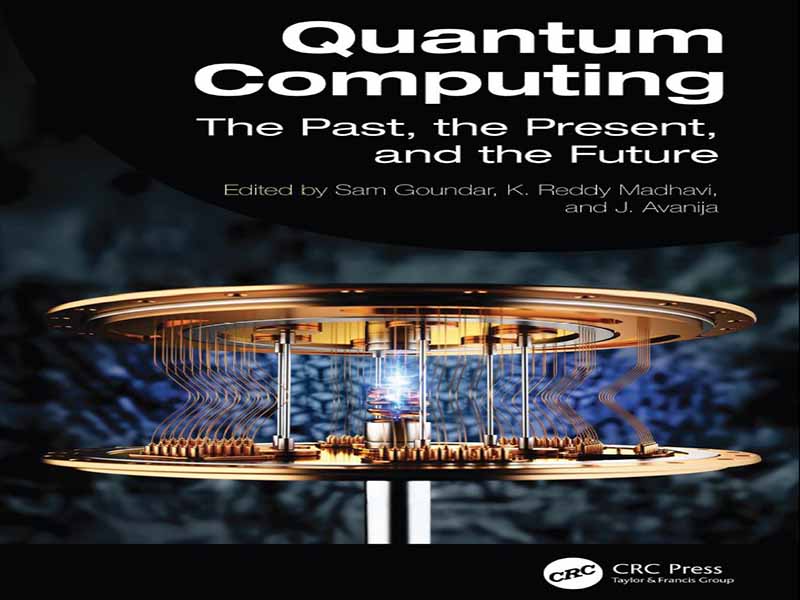
- عنوان کتاب: Quantum Computing The Past, the Present, and the Future
- نویسنده: Sam Goundar, K. Reddy Madhavi, J. Avanija
- حوزه: محاسبات کوانتومی
- سال انتشار: 2026
- تعداد صفحه: 591
- زبان اصلی: انگلیسی
- نوع فایل: pdf
- حجم فایل: 14.2 مگابایت
این کتاب به گونهای طراحی شده است که هم به متخصصان باتجربه و هم به یادگیرندگان مشتاق محاسبات کوانتومی کمک کند تا مهارتهای جدیدی کسب کنند، درک خود را عمیقتر کنند و در زمان و انرژی برای کاری که به آن علاقه دارند، صرفهجویی کنند. محاسبات کوانتومی ترکیبی قابل توجه از مکانیک کوانتومی، علوم کامپیوتر و نظریه اطلاعات است و در حال تغییر نحوه درک و استفاده ما از اطلاعات است. امروزه، با توجه به پیشرفتهای هیجانانگیز جهان در این زمینه، بررسی عمیق ماهیت مکانیک کوانتومی و دستیابی به درک غنیتر از نقش آن در نحوه ذخیره، تبدیل و بازیابی اطلاعات، بیش از هر زمان دیگری حیاتی شده است. هدف این کتاب هدایت خوانندگان در این سفر و قابل فهم کردن، جذاب و ارزشمند کردن ایدههای پیچیده است. این کتاب بیش از یک مقدمه، تکامل، وضعیت فعلی و مسیرهای آینده محاسبات کوانتومی را پوشش میدهد و آن را به یک منبع واقعاً جامع تبدیل میکند. این کتاب به بررسی زمینههای کاربردی امیدوارکننده مانند رمزنگاری، ارتباطات، امنیت سایبری و تلهپورت میپردازد. ساختار آن عمداً فراگیر است و از طریق فصلهایی که از زبان ساده و مثالهای قابل فهم استفاده میکنند، دانش بنیادی را برای تازهواردان فراهم میکند، در حالی که با بخشهای پیشرفتهای که فناوریها، روندها و فرصتهای پیشرفته را برای کاوش بیشتر برجسته میکنند، به علایق محققان، متخصصان و دانشگاهیان نیز میپردازد. با انجام این کار، این کتاب با ارائه هم وسعت و هم عمق، از بسیاری از کتابهای دیگر در این زمینه متمایز میشود و آن را به منبعی ارزشمند برای هر کسی که به دنبال درک و شکلدهی آینده محاسبات کوانتومی است، تبدیل میکند. این کتاب برای مخاطبان گسترده و متنوعی شامل دانشجویان سال سوم و چهارم کارشناسی، دانشجویان تحصیلات تکمیلی، محققان، دانشگاهیان و متخصصان صنعت طراحی شده است. این کتاب برای آموزش متخصصان و همچنین دانشجویانی که در رشتههای کارشناسی، کارشناسی ارشد و دکترا در رشتههایی مانند علوم کامپیوتر، مهندسی، ریاضیات و فیزیک تحصیل میکنند، ارزشمند خواهد بود. این کتاب برای کسانی که علاقه زیادی به محاسبات کوانتومی دارند و درک اولیهای از ریاضیات دارند، ایدهآل است و آن را برای خوانندگان در سطوح مختلف تخصص قابل دسترسی میکند. رویکرد جهانی آن، کاربرد آن را برای خوانندگان از هر گوشه دنیا تضمین میکند و آن را به منبعی قوی برای دورههای دانشگاهی و مرجعی قابل اعتماد برای بخشهای علوم کامپیوتر، ریاضیات و فیزیک تبدیل میکند. این کتاب به طور یکسان برای خوانندگان حرفهای و صنعتی مناسب است و به عنوان مرجعی نمادین و معتبر برای کاربردهای بخش دولتی و خصوصی عمل میکند. اهمیت آن تنها با یافتن جایگاه محاسبات کوانتومی در زمینههای حیاتی مانند داروسازی، علوم مواد و فراتر از آن، افزایش خواهد یافت. از آنجایی که مؤسسات تحقیقاتی و مراکز نوآوری، محاسبات کوانتومی را برای مقابله با چالشهای پیچیده و تأثیرگذار به کار میگیرند، این کتاب به عنوان یک راهنمای قابل اعتماد برای دانشجویان، محققان و متخصصان به طور یکسان عمل خواهد کرد و پایهای برای درک مبانی نظری، کاربردهای عملی و پتانسیل آینده این فناوری انقلابی فراهم میکند. محاسبات کوانتومی یک حوزه جذاب است که در تقاطع مکانیک کوانتومی، علوم کامپیوتر و نظریه اطلاعات قرار دارد. با این حال، برای بسیاری، هنوز انتزاعی و دست نیافتنی به نظر میرسد. ما انگیزه عمیقی برای نوشتن این کتاب احساس کردیم، دقیقاً به این دلیل که این حوزه به اندازه کافی پیشرفت کرده است که دیگر نمیتوان آن را به عنوان یک حوزه مبهم تحقیقات نظری در نظر گرفت. زمان مناسبی برای یک منبع جامع است که محاسبات کوانتومی را قابل دسترس کند و به شکافهای دانش و نمادگذاری که اغلب محاسبات سنتی را از همتای کوانتومی خود جدا میکند، بپردازد. هدف این کتاب ارائه یک پایه محکم به خوانندگان و روشن کردن ارتباطات بین نظریه و پیادهسازیهای عملی در حال تکامل آن است. اگرچه محاسبات کوانتومی پیشرفت چشمگیری داشته است، اما هنوز هم یک حوزه فعال اکتشافی است. حتی متخصصان در مورد اینکه کدام روشها و رویکردها در آینده غالب خواهند شد، اختلاف نظر دارند. ما این کتاب را نوشتیم تا دری را برای طیف وسیعی از خوانندگان، از متخصصان آموزش و دانشجویان دانشگاه در هر سطحی گرفته تا مهندسان، ریاضیدانان، محققان و علاقهمندانی که درک اولیهای از ریاضیات دارند، باز کنیم. متن فراتر از تئوری است و کاربردهای ملموسی را که اغلب در مطالب مقدماتی نادیده گرفته میشوند، برجسته میکند. ما میخواستیم شکاف بین مفاهیم انتزاعی و کاربردهای دنیای واقعی را پر کنیم و نشان دهیم که چگونه الگوریتمها و پروتکلهای کوانتومی میتوانند صنایع را متحول کنند و مرزهای محاسباتی را دوباره تعریف کنند. امروزه، محاسبات کوانتومی دیگر محدود به مقالات نظری و محافل دانشگاهی نیست. سازمانهای پیشرو مانند IBM و گوگل در حال حاضر ماشینهای کوانتومی را اداره میکنند و این امر آن را به طور فزایندهای برای مشاغل و محققان در رشتههای مختلف مرتبط میکند. با این حال، بسیاری هنوز این فناوری را یک مفهوم دور و تقریباً افسانهای میدانند. امیدواریم این کتاب این برداشت را تغییر دهد. با ارائه واضح مکانیک و پتانسیل محاسبات کوانتومی، میخواهیم این حوزه را برای مخاطبان گستردهتری باز کنیم و آن را به یک حوزه … تبدیل کنیم…
This book is designed to help both seasoned experts and aspiring learners of quantum computing build new skills, deepen their understanding, and save time and energy for the work they are passionate about. Quantum computing is a remarkable blend of quantum mechanics, computer science, and information theory, and it is reshaping how we understand and utilize information. Today, as the world witnesses a surge of exciting advances in this field, it has become more vital than ever to explore the nature of quantum mechanics in depth, gaining a richer understanding of its role in how information is stored, transformed, and retrieved. This book aims to guide readers on this journey, making complex ideas approachable, intriguing, and rewarding. More than just an introduction, this book covers the evolution, current state, and future directions of quantum computing, making it a truly comprehensive resource. It explores promising application areas such as cryptography, communications, cybersecurity, and teleportation. Its structure is intentionally inclusive, providing foundational knowledge for newcomers through chapters that use simple language and approachable examples, while also addressing the interests of researchers, practitioners, and academics with advanced sections that highlight state-of-the-art technologies, trends, and opportunities for further exploration. In doing so, this book stands apart from many others in the field by offering both breadth and depth, making it an invaluable resource for anyone seeking to understand and shape the future of quantum computing. This book is designed for a broad and diverse audience that includes junior and senior undergraduate students, graduate students, researchers, academics, and industry professionals. It will be valuable to teaching professionals as well as students pursuing undergraduate, postgraduate, and doctoral degrees across disciplines, such as computer science, engineering, mathematics, and physics. It is ideal for those with a keen interest in quantum computing and a basic understanding of mathematics, making it accessible to readers at many levels of expertise. Its global approach ensures its applicability to readers from every corner of the world, making it a strong resource for university courses and a reliable reference for departments of Computer Science, Mathematics, and Physics. The book is equally suited to professional and industrial readers, serving as a symbolic and authoritative reference for both public and private sector applications. Its relevance will only continue to grow as quantum computing finds its place in critical fields such as pharmaceuticals, materials science, and beyond. As research institutions and centers of innovation adopt quantum computing for tackling complex and impactful challenges, this book will serve as a trusted guide for students, researchers, and professionals alike, providing a foundation for understanding the theoretical underpinnings, practical applications, and future potential of this revolutionary technology. Quantum computing is an intriguing field that sits at the crossroads of quantum mechanics, computer science, and information theory. Yet for many, it still feels abstract and elusive. We felt a deep motivation to write this book precisely because the field has advanced far enough that it can no longer be treated as an obscure area of theoretical research. The time is right for a comprehensive resource that makes quantum computing approachable, addressing the knowledge and notation gaps that often separate traditional computing from its quantum counterpart. This book aims to give readers a solid foundation and to illuminate the connections between the theory and its evolving practical implementations. Although quantum computing has progressed remarkably, it is still very much an active area of exploration. Even experts disagree about which methods and approaches will dominate in the future. We wrote this book to open the door to a broad range of readers, from teaching professionals and university students at every level, to engineers, mathematicians, researchers, and enthusiasts with a basic understanding of math. The text goes beyond theory, highlighting concrete applications that are too often overlooked in introductory materials. We wanted to bridge the gap between abstract concepts and real-world uses, showing how quantum algorithms and protocols can transform industries and redefine computational boundaries. Today, quantum computing is no longer confined to theoretical papers and academic circles. Leading organizations like IBM and Google already operate quantum machines, making it increasingly relevant for businesses and researchers across disciplines. Yet many still regard this technology as a distant, almost mythical concept. We hope this book changes that perception. By clearly presenting the mechanics and potential of quantum computing, we want to open this field to a wider audience, making it an integral part of both the study of computer science and the ongoing evolution of technology itself. The book is organized into 21 chapters grouped across three thematic sections that guide readers from foundational knowledge, through current advances, and toward future innovations in quantum computing. The first section, “The Past (Foundation),” explores the evolution and theoretical groundwork of quantum computing. It covers topics such as the basic principles of superposition, entanglement, and interference, foundational hardware, and early advances that shaped the field. Beginning with the Evolution of Quantum Computing and the Fundamentals of Quantum Computing, these chapters guide the reader from theoretical underpinnings to a systematic review of the literature and an examination of how Quantum Computing has evolved into a credible, experimental area of research. The second section, “The Current (Application),” delves into present-day advances, platforms, and uses of quantum computing across disciplines. Chapters in this section introduce critical frameworks and taxonomies for organizing quantum computing technologies, then move toward real-world deployments and applications. From quantum computing in transportation and agriculture to advances in quantum communication, quantum cryptography, quantum machine learning, and quantum homomorphic encryption for privacy-preserving analytics, these chapters reveal how quantum computing is reshaping industries and fields as diverse as telecommunications, healthcare, and cybersecurity. The final section, “The Future (Next-Generation Applications),” provides an indepth examination of the challenges and opportunities that will define quantum computing in the coming years. Here, chapters explore advances in quantum-enhanced AI, the role of quantum computing in securing 6G and beyond, its interplay with cutting-edge electronics and sensor design, and its ultimate role in a quantum internet. By addressing both the theoretical and experimental dimensions of future quantum computing applications, the book positions itself as an authoritative resource for researchers, educators, and practitioners seeking a roadmap for advances in quantum computing and its transformative potential across disciplines.
این کتاب را میتوانید از لینک زیر بصورت رایگان دانلود کنید:
Download: Quantum Computing





















نظرات کاربران