



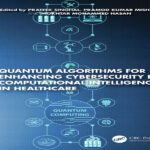








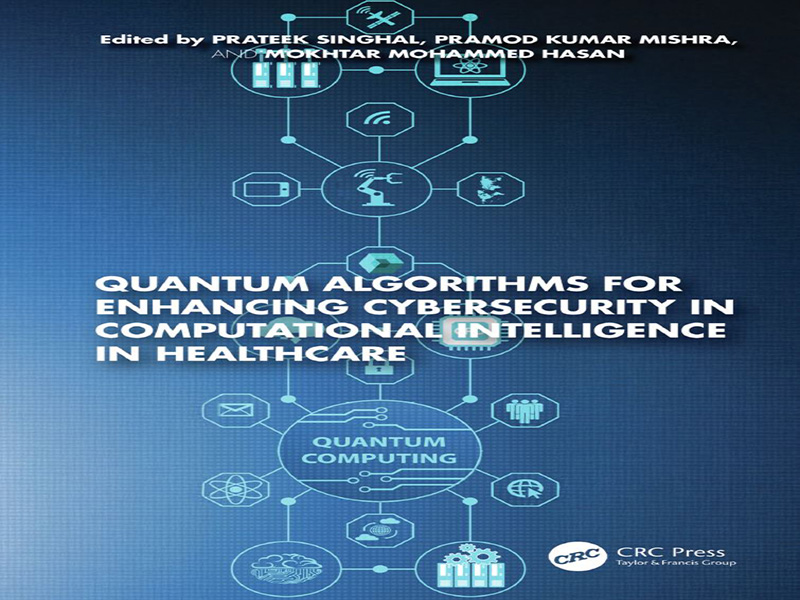
- عنوان کتاب: Quantum Algorithms for Enhancing Cybersecurity in Computational Intelligence in Healthcare
- نویسنده: Prateek Singhal, Pramod Kumar Mishra
- حوزه: الگوریتمهای کوانتومی
- سال انتشار: 2026
- تعداد صفحه: 349
- زبان اصلی: انگلیسی
- نوع فایل: pdf
- حجم فایل: 4.64 مگابایت
سیستمهای شناختی سایبری-فیزیکی (CCPS) و سیستمهای پزشکی سایبری-فیزیکی (MCPS) پارادایمهای نوآورانهای هستند که اجزای فیزیکی را با هوش محاسباتی ادغام میکنند تا سیستمهای هوشمندی ایجاد کنند که قادر به درک، استدلال و عمل بر اساس محیط خود باشند. CCPS دنیای فیزیکی را با فناوریهای محاسباتی پیشرفته ترکیب میکند تا تصمیمگیری و کنترل خودکار را در حوزههای مختلف مانند اتوماسیون صنعتی، حمل و نقل و شهرهای هوشمند امکانپذیر سازد. این رویکردها، دستگاههای اندازهگیری، محرکها و روشهای محاسباتی را برای تجزیه و تحلیل اطلاعات، درک آن و ساخت جایگزینهای آموزشدیده کنترل میکنند و در نتیجه کارایی، سازگاری و عملکرد را در محیطهای سایبری-فیزیکی افزایش میدهند [1]. در مقابل، MCPS یک شاخه تخصصی از CCPS است که به طور خاص بر کاربردهای مراقبتهای بهداشتی متمرکز است. آنها دستگاههای پزشکی، حسگرها، الگوریتمهای محاسباتی و فناوریهای ارتباطی را برای نظارت و تجزیه و تحلیل دادههای فیزیولوژیکی، تسهیل تشخیص، پشتیبانی از تصمیمات درمانی و بهبود مراقبت از بیمار ادغام میکنند. MCPSها امکان نظارت بلادرنگ بر بیماران، برنامههای درمانی شخصیسازی شده، ارائه مراقبتهای بهداشتی از راه دور و بینشهای مبتنی بر داده را برای متخصصان مراقبتهای بهداشتی فراهم میکنند که منجر به بهبود نتایج مراقبتهای بهداشتی، کاهش هزینهها و بهبود تجربیات بیمار میشود [2]. هر دو سیستم CCPS و MCPS برای مدیریت و بررسی حجم عظیمی از اطلاعات، تشخیص طرحها و انجام تخمینها یا توصیهها به الگوریتمهای یادگیری ماشین (ML) متکی هستند. تکنیکهای یادگیری ماشین (ML)، مانند یادگیری تحت نظارت، یادگیری بدون نظارت و یادگیری تقویتی، در توانمندسازی و استفاده از سیستمهای هوشمند در چارچوبهای CCPS و MCPS بسیار مهم هستند [3]. این مقاله پژوهشی، مروری جامع بر الگوریتمهای یادگیری ماشین مورد استفاده برای ساخت CCPS و MCPS ارائه میدهد. علاوه بر این، یک روششناسی نوآورانه نظری را معرفی میکند که تکنیکهای یادگیری عمیق (DL) را با دادههای فیزیولوژیکی ادغام میکند تا قابلیتهای MCPS را افزایش دهد. ابتدا، مفاهیم و ویژگیهای اساسی CCPS و MCPS را بررسی میکنیم و ویژگیها و چالشهای متمایز آنها را برجسته میکنیم. در مرحله بعد، به الگوریتمهای مختلف یادگیری ماشین که معمولاً در طراحی و پیادهسازی این سیستمها استفاده میشوند، میپردازیم و یادگیری تحت نظارت، یادگیری بدون نظارت و یادگیری تقویتی را در آنها ترکیب میکنیم. از دیدگاه MCPS، ما یک روششناسی نظری جدید پیشنهاد میکنیم که از الگوریتمهای یادگیری ماشین برای تجزیه و تحلیل جریانهای اطلاعات فیزیولوژیکی پیچیده، شامل علائم بحرانی، دادههای تصویربرداری و پروندههای الکترونیکی سلامت، استفاده میکند. این رویکرد نظری، تشخیص، درمان و نظارت دقیقتر و شخصیسازیشدهتر بیماران را امکانپذیر میکند و منجر به بهبود نتایج مراقبتهای بهداشتی میشود. علاوه بر این، ادغام DL با CCPS، تصمیمگیری در زمان واقعی و کنترل تطبیقی را در محیطهای پویای سایبری-فیزیکی تسهیل میکند. ما بررسی میکنیم که چگونه رویههای یادگیری تحت نظارت، مانند ماشینهای بردار پشتیبان (SVM)، جنگلهای تصادفی (RF) و شبکههای عصبی عمیق (DNN)، با امکانپذیر کردن پیشبینی، طبقهبندی و تصمیمگیری دقیق، به توسعه CCPS و MCPS کمک میکنند. علاوه بر این، ما روشهای یادگیری بدون نظارت، مانند روشهای خوشهبندی و کاهش ابعاد، را بررسی میکنیم که کشف ناهنجاری و تشخیص الگو را در محیطهای سایبری-فیزیکی تسهیل میکنند. علاوه بر این، ما در مورد اهمیت الگوریتمهای RL، از جمله یادگیری Q و یادگیری تقویتی عمیق (DRL)، در آموزش CCPS و MCPS برای تنظیم و بهینهسازی رفتار آنها بر اساس بازخورد از محیطشان بحث میکنیم. تکنیکهای RL نوید افزایش استقلال و سازگاری این روشها را میدهند، بهویژه در کاربردهای پزشکی که در آنها مراقبت شخصی از بیمار و بهینهسازی درمان از اهمیت بالایی برخوردار است. این مقاله همچنین به چالشها و ملاحظات مرتبط با بهکارگیری الگوریتمهای یادگیری ماشین در CCPS و MCPS، از جمله کیفیت دادهها، امنیت، قابلیت تفسیر و پیامدهای اخلاقی، میپردازد. ما در مورد استراتژیها و رویکردهای بالقوه برای غلبه بر این چالشها بحث میکنیم و بر تحقیقات آینده تمرکز میکنیم. این مقاله پژوهشی، مروری جامع بر نقش الگوریتمهای یادگیری ماشین در ساخت CCPS و MCPS ارائه میدهد. علاوه بر این، یک رویکرد نظری جدید ایجاد میکند که یادگیری ماشین را با اطلاعات فیزیولوژیکی ادغام میکند تا قابلیتهای MCPS را افزایش دهد. با بهرهگیری از قدرت الگوریتمهای یادگیری ماشین، از جمله رویکرد نظری جدید پیشنهادی، این سیستمهای هوشمند میتوانند در محیطهای پیچیده ادراک، استدلال و عمل کنند و راههای جدیدی را برای پیشرفت در مراقبتهای بهداشتی، اتوماسیون صنعتی و فراتر از آن باز کنند.
Cognitive Cyber– Physical Systems (CCPS) and Medical Cyber– Physical Systems (MCPS) are innovative paradigms that integrate physical components with computational intelligence to create intelligent systems capable of perceiving, reasoning, and acting upon their environment. CCPS combines the physical world with advanced computing technologies to enable autonomous decision- making and control in various domains, such as industrial automation, transportation, and smart cities. These approaches control measuring devices, actuators, and computational methods to analyze information, understand it, and construct educated alternatives, thereby enhancing efficiency, adaptability, and functionality in cyber– physical environments [1]. MCPS, on the contrary, are a specialized branch of CCPS focused specifically on healthcare applications. They integrate medical devices, sensors, computational algorithms, and communication technologies to monitor and analyze physiological data, facilitate diagnosis, support treatment decisions, and improve patient care. MCPSs enable real- time monitoring of patients, personalized treatment plans, remote healthcare delivery, and data- driven insights for healthcare professionals, leading to enhanced healthcare outcomes, reduced costs, and improved patient experiences [2]. Both CCPS and MCPS rely on ML algorithms to manage and examine huge volumes of information, detect designs, and perform estimates or recommendations. Machine learning (ML) techniques, such as supervised learning, unsupervised learning, and reinforcement learning, are crucial in enabling the enhancement and utilization of intelligent systems within the CCPS and MCPS frameworks [3]. This research paper presents a comprehensive overview of ML algorithms utilized for the construction of CCPS and MCPS. In addition, it introduces a theoretically innovative methodology that integrates deep learning (DL) techniques with physiological data to enhance the capabilities of MCPS. First, we explore the fundamental concepts and characteristics of CCPS and MCPS, highlighting their distinctive features and challenges. Next, we delve into various ML algorithms commonly used in the design and implementation of these systems, incorporating supervised learning, unsupervised learning, and reinforcement learning. From the perspective of MCPS, we propose a novel theoretical methodology that leverages DL algorithms to analyze complex physiological information flows, involving critical symptoms, imaging data, and electronic health records. This theoretical approach enables more accurate and personalized diagnosis, treatment, and monitoring of patients, leading to improved healthcare outcomes. Furthermore, the integration of DL with CCPS facilitates real- time decision- making and adaptive control in dynamic cyber– physical environments. We examine how supervised learning procedures, like support vector machines (SVM), random forests (RF), and deep neural networks (DNN), contribute to the development of CCPS and MCPS by enabling accurate prediction, classification, and decision- making. In addition, we investigate unsupervised learning methods, such as clustering and dimensionality reduction methods, which facilitate anomaly discovery and pattern recognition in cyber– physical environments. Furthermore, we discuss the relevance of RL algorithms, including Q- learning and deep reinforcement learning (DRL), in training CCPS and MCPS to adjust and optimize their behavior based on feedback from their environment. RL techniques offer the promise to boost the autonomy and adaptability of these methods, specifically in medical applications where personalized patient care and treatment optimization are paramount. The paper also addresses the challenges and considerations associated with applying ML algorithms to CCPS and MCPS, including data quality, security, interpretability, and ethical implications. We discuss potential strategies and approaches to overcome these challenges and focus on upcoming research. This research paper offers an exhaustive overview of the role of ML algorithms in building CCPS and MCPS. In addition, it establishes a novel theoretical approach that integrates DL with physiological information to increase the capabilities of MCPS. By leveraging the power of ML algorithms, including the proposed novel theoretical approach, these intelligent systems can perceive, reason, and act in complex environments, opening new avenues for advancements in healthcare, industrial automation, and beyond.
این کتاب را میتوانید از لینک زیر بصورت رایگان دانلود کنید:





















نظرات کاربران