











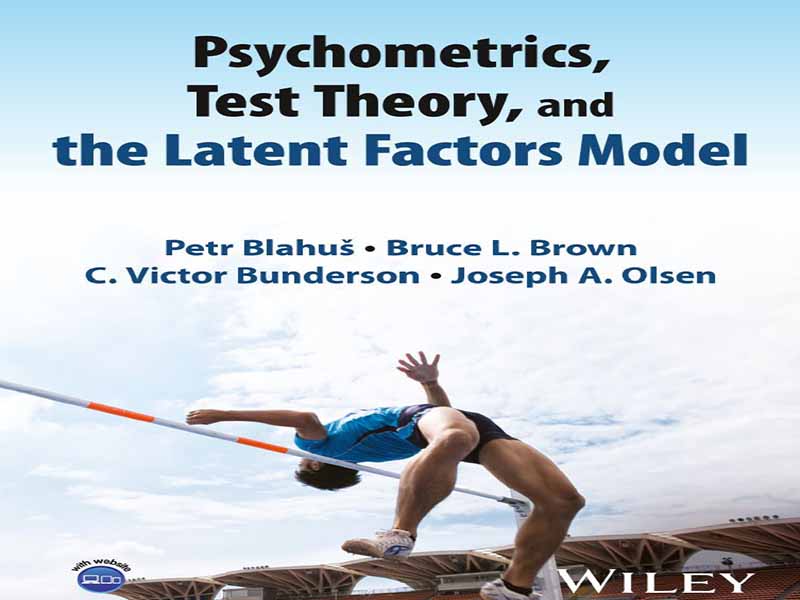
- عنوان کتاب: Psychometrics,-Test-Theory,-and-the-Latent-Factors-Model
- نویسنده: Petr Blahus, Bruce L. Brown
- حوزه: روانسنجی
- سال انتشار: 2026
- تعداد صفحه: 600
- زبان اصلی: انگلیسی
- نوع فایل: pdf
- حجم فایل: 11.6 مگابایت
کتاب «روانسنجی، نظریه آزمون و مدل عوامل پنهان» نوشته پتر بلاهوش، بروس ال. براون، سی. ویکتور باندرسون و جوزف ای. اولسن، کتابی قابل توجه است که مفهوم اندازهگیری را به گونهای آشکار میکند که یکی از ویژگیهای اساسی آن، در واقع یکی از مزایای آن، را آشکار میکند؛ ویژگیای که به ندرت توسط کسانی در حوزه روانشناسی که بیشترین تکیه را بر اندازهگیری دارند، مورد توجه قرار میگیرد. این جنبهای از اندازهگیری است که ممکن است توسط روانشناسانی که عمیقاً درگیر مبانی نظری و فلسفی این رشته هستند، بیشتر مورد توجه و درک قرار گیرد. این رویکرد به اندازهگیری و تحلیل دادهها، به سادهترین شکل ممکن، هر دوی آنها را از زیادهرویهای متافیزیکی و معرفتشناختی که میراث این رشته از پوزیتیویسم است، رها میکند. اهمیت این آزادی برای علم و عمل روانشناسی به سختی قابل اغراق است. با بیانی غیرریاضی، نبوغ رویکرد بیان شده در این کتاب با تشخیص و تأیید این نکته آغاز میشود که منطقی در اعداد وجود دارد، همانطور که در هر زبانی وجود دارد، به طوری که میتوانند معنا، ثبات و رابطهای را که در دنیای عمل و هدف انسان نهفته است، منتقل کنند. بنابراین، زبان اعداد میتواند انسجام، رابطه و معنا را در جهان، حتی در سطحی که بیان آن برای افرادی که صرفاً «در جهان» هستند، بسیار دشوار است، منعکس کند. برای توضیح این پدیده، نیازی به اختراع «ذهن ناخودآگاه» نیست، آنطور که یک رویکرد نظری پوزیتیویستی ممکن است ایجاب کند. بلکه میتوانیم با اطمینان فرض کنیم که همیشه در هر «گفتنی» چیزی بیش از آنچه صریحاً «گفته میشود» وجود دارد. اینکه همه اینها در زبان اعداد رخ میدهد، یکی از مهمترین و از نظر روانشناختی مرتبطترین افشاگریها در این کتاب است. اصلی که در اینجا بیان شده است، دیدگاهها و پروژههای روششناختی و همچنین متافیزیکی جدیدی را برای این حوزه باز میکند. پوزیتیویسم اساساً یک کاربرد واحد برای اعداد و اندازهگیری دارد، یعنی حمایت از ادعاهای متافیزیکی با تأیید وجود مفهومی که به منظور توضیح برخی پدیدهها با اصطلاحات جبرگرایانه کلاسیک توسعه یافته است. در مقابل، این امکان که در این جلد روشن شده است، وجود دارد که زبان اعداد، یعنی دادهها، میتواند درک را افزایش داده و شواهدی در مورد محتوا و معنای رفتار به عنوان تجربه زیسته ارائه دهد، که در غیر این صورت ممکن است برای متخصصان علوم اجتماعی اثباتگرا و حتی برای خود انسانها مبهم باشد. به عبارت دیگر، به جای تأیید صرف ادعاهای متافیزیکی در سنت اثباتگرا، استفاده مشروع از تحلیل آماری جدی و اساسی، گشودن امکاناتی برای بررسی و فهم از درون دنیای زیسته است. این پروژه در کتاب با کشف «متغیرهای پنهان» منعکس شده است. به زبان غیرریاضی، قدرت نوآورانه اندازهگیری و تحلیل میتواند دنیای نامفهوم اما عمیقاً معنادار زندگی انسان را به عنوان یک تجربه زیسته در متن، بیان کند و به دنیای عمیقاً زمینهساز تجربه زیسته انسان، بیان ریاضی معناداری ببخشد. همانطور که در بخشهای مختلف این جلد، و در هیچ کجا بیش از فصلهای ریاضی فنی، مشخص است، این یک شاهکار بیاهمیت نیست. فصلهای این جلد، ریاضیات و مفاهیم زیربنایی پروژه بیان شده در این بررسی کوتاه را برای خواننده ارائه میدهند. بنابراین، این کتاب، به طرز تحسینبرانگیزی، اصول پیچیده ریاضی را برای پرداختن به موضوعی با اهمیت اساسی در درک ما از انسانیت خودمان به کار میگیرد. این واقعاً یک پروژه ارزشمند است.
Psychometrics, Test Theory, and the Latent Factors Model by Petr Blahuš, Bruce L. Brown, C. Victor Bunderson, and Joseph A. Olsen is a notable volume that unfolds the concept of measurement in a way that reveals one of its fundamental properties, indeed one of its virtues, that is seldom appreciated by those in the field of psychology who rely most heavily on measurement. It is an aspect of measurement that may be most appreciated and best understood by psychologists deeply engaged in the theoretical and philosophical grounding of the discipline. Expressed in the simplest terms, this approach to measurement and data analysis frees both of them from the metaphysical and epistemological overreach that is the discipline’s legacy from positivism. The importance of this freedom for psychological science and practice is difficult to overstate. Expressed in nonmathematical terms, the genius of the approach articulated in this volume begins with the recognition and affirmation that there is a logic built into numbers, as there is in every language, such that they can convey meaning, consistency, and relationality embedded in the human world of action and purpose. The language of numbers can, therefore, reflect the consistency, relationality, and meaning in the world even at a level that might be very difficult for people simply being-in-the-world to articulate. It is not necessary to invent an “unconscious mind” to account for this phenomenon, as a positivist theoretical approach might require. Rather we can safely assume that there is always more to any “saying” than what is explicitly “said.” That this all occurs within the language of numbers is one of the most important and psychologically relevant revelations in this book. The principle articulated here opens up new methodological as well as metaphysical perspectives and projects for the field. Positivism has essentially a single use for numbers and measurement, i.e. to support metaphysical claims by validating the existence of some concept developed for the purpose of explaining some phenomenon in classical deterministic terms. In contrast to this is the possibility, illuminated in this volume, that the language of numbers, i.e. data, can enhance understanding and provide evidence regarding the content, and meaning of behavior as lived experience, which might otherwise be opaque to practitioners of positivist social science and even to human beings themselves. In other words, rather than simply verifying metaphysical claims in the positivist tradition, a legitimate use of the serious and substantive statistical analysis is to open up possibilities for investigation and understanding from within the lived world. This project is reflected in the book in terms of the discovery of “latent variables”. In nonmathematical laymen’s terms, the innovative power of measurement and analysis can articulate the inarticulate but deeply meaningful world of human life as lived in context, giving the deeply contextual human world of lived experience meaningful mathematical expression. As is clear throughout the various sections of this volume, and nowhere more than in the technical mathematical chapters, this is no mean feat. The chapters in this volume present for the reader the mathematics and concepts underlying the project articulated in this short review. Thus, this volume, admirably, brings sophisticated mathematical principles to bear on an issue of fundamental importance in our understanding of our own humanity. This is a worthy project indeed.
این کتاب را میتوانید از لینک زیر بصورت رایگان دانلود کنید:
Download: Psychometrics,-Test-Theory,-and-the-Latent-Factors-Model






















نظرات کاربران