







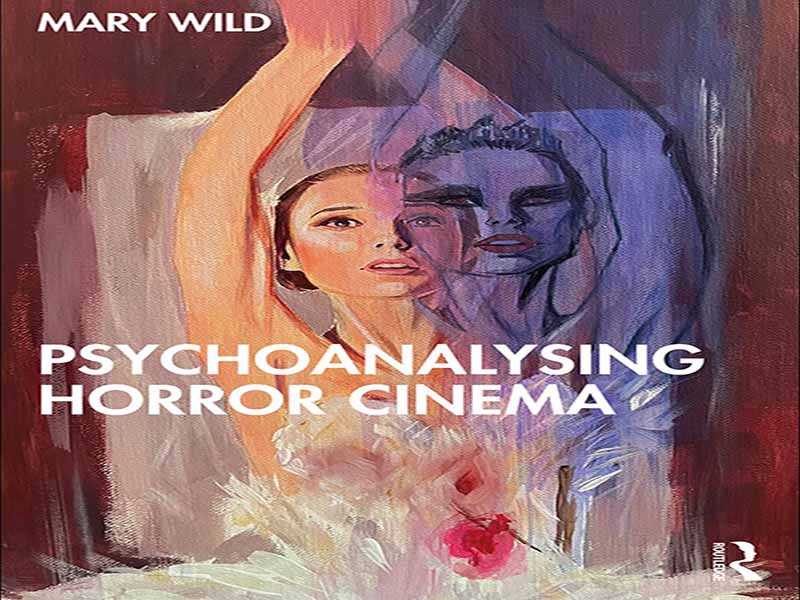
- عنوان کتاب: Psychoanalysing Horror Cinema
- نویسنده: Wild, Mary
- حوزه: روانکاوی
- سال انتشار: 2026
- تعداد صفحه: 330
- زبان اصلی: انگلیسی
- نوع فایل: pdf
- حجم فایل: 2.53 مگابایت
این کتاب از صدا و تصویر ساخته شده است. این کتاب اقتباسی از بخشهای کوتاه Wild About Horror است که من در ابتدا برای پادکست بسیار محبوب Evolution of Horror (EoH) به میزبانی مایک مانسر نوشته بودم. از مایک به خاطر باور به من و پرورش تمرین نویسندگیام سپاسگزارم – او یکی از بهترین افرادی است که در صنعت فیلم با او مواجه شدهام. مایک، تهیهکننده، پخشکننده، مورخ فیلم و برنامهنویس درخشان، با درک عمیقی از اینکه پادکستها چه میتوانند باشند، پلتفرمی محبوب ساخته است که از دیدگاههای مختلف استقبال میکند – EoH به عنوان فضایی پیشرو و گسترده شناخته میشود. مایک استعداد قابل توجهی در تشخیص استعدادهای منحصر به فرد دیگران دارد و همیشه مشارکت همکارانش را با دقت نشان میدهد. او نقطه مقابل دروازهبانی و رقابت بیرحمانه است – او واقعاً میخواهد اطرافیانش پیشرفت کنند و شنوندگان میتوانند صداقت او را حس کنند. مایک هرگز در فرآیند خلاقیت دخالت نمیکند. در عوض، او اعتماد و انگیزه را پرورش میدهد. او به آرامی مرا از منطقه امنم بیرون کشید و مرا به ابراز کامل احساساتم تشویق کرد. از آشنایی با او احساس خوششانسی میکنم. بسیاری از کسانی که در EoH با Wild About Horror ارتباط برقرار میکنند، این بخشها را هیپنوتیزمکننده و تأملبرانگیز توصیف میکنند و آنها را به یک انحراف شاعرانه در ساختار گستردهتر قسمتهای پادکست تشبیه میکنند. یکی از مفسران، پیتر جتنیکوف، تجربه گوش دادن به این پادکست را مانند «عبور از یک گالری و یافتن یک اتاق تاریک عجیب با اشکال مبهم روی دیوارها و صدایی بیروح که به آرامی به شما میگوید کمی دقیقتر نگاه کنید» دوست داشت – گواهی بر فضای غوطهوری که Wild About Horror تداعی میکند. تارکین مندریک سخاوتمندانه اظهار داشت: «مادام وایلد قدرتهایی فراتر از این قلمرو زمینی دارد. […] من دوست دارم که او فیلمها را جدی میگیرد؛ او در حال تحقیق در مورد نیت فیلمسازان است و شخصیتها را به خاطر اعمالشان به سزای اعمالشان میرساند.» مندریک از نحوهی فاصله گرفتن این بخشها از لحن معمول «شبگردیهای پسران آبجوفروش» که اغلب در گفتمان ژانر وحشت یافت میشود، ابراز قدردانی کرد و در عوض، راهی برای تحقیق عمیقتر ارائه داد. من همیشه عاشق فیلم بودهام – به خصوص ژانر وحشت، ژانری که ثابت کرده در کمک به من برای پردازش احساسات دشوار به شیوهای معنادار، بدون ایجاد آسیب در دنیای واقعی، مسهل است. فیلم ترسناک یک دستگاه EMDR است؛ کلینیک من است. به آرامی با تصاویر و احساسات، ترسهای مدفون را تحریک میکند و به سطح میآورد. فیلم ترسناک فرصتی را برای مواجهه با تصاویری که ترجیح میدهیم نبینیم و احساساتی که ترجیح میدهیم احساس نکنیم، فراهم میکند. در محیط کنترلشده سینما، میتوان پریشانی را به شکل نمادین دوباره بررسی کرد و به احساساتی که در غیر این صورت ممکن است در ناخودآگاه محبوس بمانند، اجازه داد تا متابولیزه شوند. این کتاب به بررسی آنچه فیلمهای ترسناک در مورد ناخودآگاه آشکار میکنند، میپردازد و از زبان روانکاوی برای کشف اضطرابهای پنهان، خاطرات سرکوبشده و درگیریهای روانی که تجربه ما از وحشت روی صفحه نمایش را شکل میدهند، استفاده میکند. من به عنوان یک دختر جوان که در اواخر دهه ۱۹۸۰ در مونترال بزرگ میشدم، چیزهایی را تجربه کردم که هنوز نمیتوانستم درک کنم – برخی از آنها آسیبزا بودند. پناهگاه من فروشگاه اجاره رسانههای خانگی محلی، Videoéo International، بود. ساعتها، مسحورانه، در بخش ترسناک، به جلدهای VHS فیلمهای «درخشش» (۱۹۸۰)، «گرگینه آمریکایی در لندن» (۱۹۸۱)، «قطعات» (۱۹۸۲)، «کریستین» (۱۹۸۳)، «کابوس در خیابان الم» (۱۹۸۴)، «شب وحشت» (۱۹۸۵)، «مگس» (۱۹۸۶) و «برپاخیزان جهنم» (۱۹۸۷) خیره شدم. آثار هنری و طرحهای جلد کاستها مرا به وجد آورده بود و به خودم جرات میدادم تا جایی که میتوانم آنها را تماشا کنم، قبل از اینکه برای کمی آرامش طنز به بخش کودکان برگردم. حتی در آن زمان، احساس میکردم که ژانر وحشت قدرتی دارد که ژانرهای دیگر به سادگی ندارند. این کتاب به آن دختر بچهای که در بخش وحشت فروشگاه ویدیو ایستاده بود، ادای احترام میکند. اگر به «وحشی درباره وحشت» گوش داده باشید، میدانید که من این بخشها را به سبکی روایت میکنم که به ASMR گرایش دارد – لحنهای آرام و یکنواخت که قصد آرامش، سکون و دعوت به صمیمیت را دارند. هدف من ایجاد حس آرامش و گشودن دریچهای است: من معتقدم وقتی سیستم عصبی تنظیم میشود، ذهن متخلخلتر و پذیرای ایدههای جدید میشود. مطالب پیچیده و حتی نگرانکننده، وقتی با ریتمی آرامشبخش ارائه شوند، میتوانند با ملایمت بیشتری به ذهن برسند. این نوعی اغواگری برای یادگیری است، جایی که بینش میتواند از سدهای دفاعی عبور کند و عمیقتر در آن غرق شود. در حالی که کلام مکتوب نمیتواند فضای صوتی روایت شفاهی را تکرار کند، امیدوارم روح ASMR همچنان هنگام خواندن شما را در بر بگیرد – اینکه احساس کنید در فضایی نرم و کنجکاوانه قرار گرفتهاید و آن حس سوزش هنوز به نحوی راه خود را به شما پیدا میکند. علاقه من به روانکاوی مدتها قبل از اینکه رسماً آن را مطالعه کنم، شکل گرفت. من همیشه به لایههای پنهان، معانی دوگانه و چیزهایی که مردم سعی میکنند نگویند، جذب شدهام. در سال ۱۹۹۸، در دانشگاه کنکوردیا در مونترال، استاد برجسته دکتر پاتریشیا سانک مرا با مفاهیم کلیدی روانکاوی آشنا کرد. آموزههای ارزشمند او پایه و اساس دانش در حال توسعه من را بنا نهاد. من در مورد اصرار فروید مبنی بر اینکه هیچ چیز هرگز تصادفی نیست – اینکه لغزشها، علائم و لغزشها زندگی درونی ما را فاش میکنند – آموختم. این ایدهها عمیقاً با من طنینانداز شدند و سنگ بنای رویکرد من به تحلیل فیلم شدند…
This book grew out of audio and sound. It is an adaptation of short Wild About Horror segments I originally scripted for the hugely popular Evolution of Horror Podcast (EoH), hosted by Mike Muncer. I’m grateful to Mike for believing in me and nurturing my writing practice—he is one of the best people I’ve encountered in the film industry. A brilliant producer, broadcaster, film historian, and programmer, with a visionary understanding of what podcasts can be, Mike has built a beloved platform that welcomes a plurality of perspectives—EoH is known to be a cutting-edge and expansive space. Mike has a remarkable gift for recognising the unique talents of others, always showcasing his collaborators’ contributions with care. He is the antithesis of gatekeeping and cutthroat competitiveness—he genuinely wants those around him to thrive, and listeners can feel his sincerity. Mike never interferes with the creative process; instead, he cultivates trust and motivation. He gently nudged me out of my comfort zone and encouraged my fullest expression. I feel lucky to know him. Many who engage with Wild About Horror on EoH describe the segments as hypnotic and thought-provoking, likening them to a poetic detour within the broader structure of the podcast episodes. One commenter, Peter Jetnikoff, likened the listening experience to “going through a gallery and finding a strange dark room with vague shapes on the walls and a disembodied voice gently telling you to look a little harder”—a testament to the immersive atmosphere Wild About Horror evokes. Tarquin Mandrake generously remarked, “Madame Wild has powers beyond this earthly realm. […] I like that she takes the films seriously; she’s making an investigation into the filmmakers’ intent and taking the characters to task for their actions.” Mandrake expressed appreciation for the way the segments diverge from the usual “beery lads night out” tone often found in horror discourse, instead offering an avenue for deeper inquiry. I’ve always loved film—especially horror, a genre that has proven to be cathartic in helping me process difficult emotions in a meaningful way, without causing real-world harm. Horror is an EMDR machine; it is my clinic. It gently provokes with imagery and sensation, coaxing buried fears to the surface. Horror provides an opportunity to confront images we’d rather not see and feelings we’d rather not feel. Within the controlled environment of cinema, distress can be revisited in symbolic form, allowing emotions that might otherwise remain locked in the unconscious to be metabolised. This book explores what horror films reveal about the unconscious, using the language of psychoanalysis to uncover hidden anxieties, repressed memories, and psychic conflicts that shape our experience of terror onscreen. As a young girl growing up in late 1980s Montréal, I lived through things I couldn’t yet understand—some of them traumatic. My refuge was the local home media rental store, Vidéo International. I spent hours, enchanted, in the horror section staring at the VHS covers of The Shining (1980), An American Werewolf in London (1981), Pieces (1982), Christine (1983), A Nightmare on Elm Street (1984), Fright Night (1985), The Fly (1986), and Hellraiser (1987). I was transported by the artwork and designs of the cassette covers and would dare myself to look for as long as I could before running back to the children’s section for some comic relief. Even then, I sensed that horror held a power other genres simply didn’t. This book honours that little girl standing in the horror section of the video store. If you’ve listened to Wild About Horror, you’ll know that I narrate the segments in a style that leans towards ASMR—low, steady tones intending to soothe, lull, and invite intimacy. My aim is to bring a sense of calm and open a channel: I believe that when the nervous system is regulated, the mind becomes more porous and receptive to new ideas. Complex, even unsettling material can land more gently when delivered in a comforting cadence. It’s a kind of seduction into learning, where insight can bypass the defences and sink in deeper. While the written word can’t replicate the soundscape of spoken narration, I hope the spirit of ASMR still envelops you as you read—that you feel held in a soft, curious space, and that the tingles still find their way to you, somehow. My interest in psychoanalysis took shape long before I studied it formally. I’ve always been drawn to hidden layers, double meanings, and the things people try not to say. In 1998, at Concordia University in Montréal, the brilliant professor Dr. Patricia Csank introduced me to key psychoanalytic concepts. Her invaluable teachings laid the foundation for my developing knowledge. I learned about Freud’s insistence that nothing is ever accidental—that slips, symptoms, and lapses betray our inner life. These ideas resonated deeply with me and became the cornerstone of my approach to film analysis. My outlook is deeply influenced by the works of Sigmund Freud, Jacques Lacan, and Carl Jung, whose theories provide a powerful framework for interpreting the symbolic structures of horror narratives. In 2012, I founded Projections, a public lecture series hosted at the Freud Museum in London, which brings psychoanalysis into dialogue with cinema in an intellectually rigorous and widely accessible way. The series invites audiences to experience film not merely as entertainment, but as a rich psychic document—a portal into the unconscious, a reflection of personal and collective dreams, traumas, and desires. Over the years, Projections has attracted a diverse community of film lovers, scholars, artists, and psychologists. The wonderful insights generated through these discussions have inspired me to continue working as an educator in this field. As a self-proclaimed “Freudian cinephile,” I tend not to accept the official story in any scenario. The surface narrative of a film is, to me, just the tip of the iceberg—something latent always lies beneath. In the immortal words of Gregory Peck in Hitchcock’s Spellbound (1945): “I kept thinking while I was dreaming that all this meant something, that there was some other meaning in it that I ought to find out.” My compulsion to uncover hidden patterns finds its sharpest edge in the cinematic arts. Horror film most vividly induces the territory of psychoanalysis, illuminating key concepts such as the Unconscious, the Uncanny, the Shadow, the Double, the Real, the Death Drive, and the raw textures of psychopathology (from neurosis to psychosis). Horror is a sacred way of seeing, a reliable method of inquiry, and a landscape of profound psychological truth. As a female writer, I recognise that feminine subjectivity finds one of its richest expressions in the horror genre, which I embrace with enthusiasm. The dominant Symbolic Order is organised around male desire, while the wants of women often fail to register in a meaningful way. This omission, I believe, stems from a deep ambivalence towards the feminine capacity for a surplus of enjoyment—one that exceeds what the phallocentric system can accommodate. As a result, women are simultaneously sought-after and feared, cast as both objects of longing and as menacing figures who topple the foundations of phallic mastery. Feminine desire is thus exiled from the prevailing discourse, rendered unspeakable, excessive, or monstrous. Horror cinema, with its visceral textures and transgressive bent, becomes an ideal arena for staging and exploring this phenomenon. My second book will be an autofictional study of feminine jouissance, structured around a single film as the blueprint for charting its theoretical features. This book is a deeply personal offering born from podcast scripts I once whispered into a microphone. While much of this volume is adapted from those recordings, I’ve taken creative liberties throughout: refining passages, expanding ideas, and adding new titles where the spirit moved me. Structured into six chapters—Mind, Body, Nature, Aliens, Vampires, and Home Invasion—the book traverses key horror subgenres, suggesting thematic readings through a psychoanalytic lens. It flows between theory and analysis, not to prescribe a singular “correct” interpretation of any given film, but to invite a deeper, more nuanced engagement with the material. My brand of ‘pop psychoanalysis’ is offered as a means of exploring the cinematic unconscious to see what truths might surface. I hope this book acts as a guided tour through what filmmaker Andrew Kötting once called my “mindscape meanderings.” It is written in the spirit of passionate inquiry, not institutional authority. The aim is to champion psychoanalysis as a generative tool for personal reflection, rather than a bureaucratic gatekeeping device. This is not a formal academic text, but a collection of heartfelt subjective associations—intended for horror fans, theory appreciators, arty weirdos, whimsical dreamers, and all those who see beauty in the strange and the sublime. My wish is that readers will tune in to the messages their own unconscious might be trying to convey. After all, films have much in common with projective tests like Rorschach inkblots. So—what do you see?
این کتاب را میتوانید از لینک زیر بصورت رایگان دانلود کنید:
Download: Psychoanalysing Horror Cinema










نظرات کاربران