









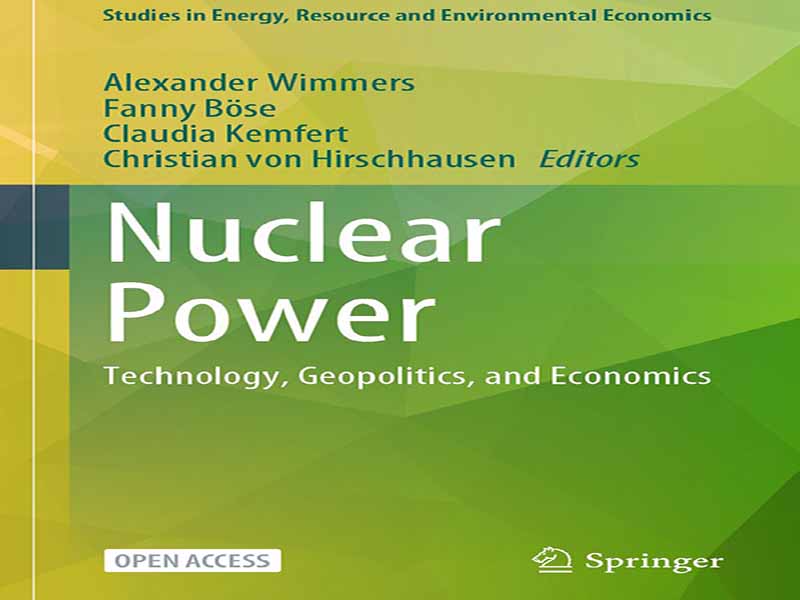
- عنوان کتاب: Nuclear Power Technology, Geopolitics, and Economics
- نویسنده: Alexander Wimmers, Fanny B se, Claudia Kemfert
- حوزه: انرژی هستهای
- سال انتشار: 2026
- تعداد صفحه: 661
- زبان اصلی: انگلیسی
- نوع فایل: pdf
- حجم فایل: 10.5 مگابایت
انرژی هستهای پیچیده است و مطمئناً پیچیدهترین فناوری تولید انرژی در جهان است: i. این فناوری میتواند از طریق شکافت یا همجوشی هستهای، در کسری از ثانیه، مقادیر عظیمی انرژی تولید کند، اما همچنین منجر به تشعشعات یونیزه کننده میشود. زبالههای هستهای باید برای صدها هزار سال از طبیعت و مردم محافظت شوند. همجوشی هستهای نیز شامل مواد رادیواکتیو مانند تریتیوم است که خطر تکثیر را به همراه دارد. از همان ابتدا، جنبههای ژئوپلیتیکی بر این بخش غالب بودهاند. ii. از همان ابتدا، جنبههای ژئوپلیتیکی بر این بخش غالب بودهاند. این از تلاشهای تحقیق و توسعه (R&D) در مورد بمب هستهای در اوایل دهه 1940 تا تلاشهای دیپلماسی هستهای امروزه را شامل میشود. این به معنای تلاشهای با انگیزه ژئوپلیتیکی توسط ابرقدرتهای هستهای (ایالات متحده، روسیه و چین) برای انتشار فناوری هستهای به سایر کشورها به منظور تقویت روابط ژئوپلیتیکی بلندمدت است. iii. انرژی هستهای به دلیل کاربرد دوگانه آن برای کاربردهای نظامی و تجاری، بازههای زمانی طولانی تحقیق و توسعه، تولید انرژی، و انهدام و مدیریت پسماند، و همچنین به دلیل عدم رقابتپذیری آن در بازارهای انرژی که نیاز به حمایت دولتی و/یا انتقال هزینه برای اپراتورهای خصوصی به مصرفکنندگان دارد، از نظر اقتصادی نیز پیچیده است. iv. در آخر، اما نه کماهمیتتر، «بخش پایانی»، یعنی انهدام و تصفیه پسماند هستهای، تا همین اواخر کمتر مورد تحقیق قرار گرفته بود، اما اکنون به چالشهای عمدهای در رابطه با تأمین مالی، چالشهای فنی و بازههای زمانی طولانی تبدیل شده است که بیش از یک قرن از آن زمان تاکنون را در بر میگیرد. این چهار موضوع، چهار بخش کتاب را تشکیل میدهند. چرا یک کتاب جدید؟ فناوری، ژئوپلیتیک و اقتصاد در ادبیات مورد بحث قرار میگیرند، اما به ندرت به طور مشترک و با یک رویکرد یکپارچه به آنها پرداخته میشود. همکار ما در دانشکده معادن پاریس، پروفسور فرانسوا لووک (2014، 202)، اظهار داشته است که «انرژی هستهای دختر علم و جنگ است»، که دلالت بر وابستگی متقابل بین فناوری، چه جنبههای بنیادی و چه کاربردی، و ژئوپلیتیک دارد. این پیچیدگی اغلب در تحقیقات و انتشاراتی که بیشتر بر اقتصاد متمرکز هستند، کمتر مورد توجه قرار میگیرد. نه میتوان جنبههای ژئوپلیتیکی را «صرفهجویی» کرد و نه تحلیل هزینه-فایده ممکن و مفید است. تحلیل اقتصادی تمایل دارد از پیچیدگی کاربرد دوگانه صرفنظر کند. بنابراین، تخصیص هزینههای ثابت به کاربردهای خاص، مانند بمب یا برق، کاملاً تصادفی میشود. در مجموع، ما به این رویکرد نیاز داریم، در حالی که از کتابهای تخصصیتری که از آنها بهره بردهایم، قدردانی میکنیم. به عنوان مثال میتوان به کتابهای پاول براکن (۲۰۱۲) در مورد ژئوپلیتیک و «عصر دوم هستهای»؛ ییم (۲۰۲۲) در مورد «مدیریت پسماند هستهای»؛ استیون توماس (۱۹۸۸) در مورد «واقعیتهای انرژی هستهای»؛ جفری راثول (۲۰۱۶) در مورد «اقتصاد انرژی هستهای»؛ فرانسوا لویک (۲۰۱۴) در مورد «عدم قطعیتهای انرژی هستهای» در مورد فناوری، سیاست و اقتصاد اشاره کرد. و در آخر، اما مطمئناً نه کماهمیتترین، کتاب اخیر ویلیام ناتال (۲۰۲۲) با عنوان «رنسانس هستهای: فناوریها و سیاستهایی برای آیندهی انرژی هستهای». برای این کتاب، ما سه جنبهای را ارائه میدهیم که پیچیدگی انرژی هستهای را تشکیل میدهند، که بدون آنها نه پویایی تاریخی و نه پویایی فعلی این صنعت را نمیتوان به طور کامل درک کرد: فناوری – ژئوپلیتیک – اقتصاد. فرضیه این است که مسائل و جنجالهای انرژی هستهای را نمیتوان با رویکردی تکبعدی و صرفاً رشتهای، مانند فیزیک و شیمی، علوم سیاسی یا تجارت و اقتصاد، درک کرد. برعکس، یک رویکرد میانرشتهای مورد نیاز است که جنبههای فنی، انگیزههای ژئوپلیتیکی و دیدگاه تجارت و اقتصاد را با هم ترکیب کند. این وابستگی متقابل در سالهای اولیهی انرژی هستهای کاملاً واضح است.
Nuclear power is complex, and it is certainly the world’s most complex energy generation technology: i. It is a technology that can generate huge amounts of energy, through nuclear fission or fusion, within parts of a second, but also leads to ionizing radiation. Nuclear waste has to be shielded from nature and people for hundreds of thousands of years. Nuclear fusion, too, involves radioactive substances, such as tritium, with the danger of proliferation. Since its very beginnings geopolitical aspects dominate the sector ii. Since its very beginnings, geopolitical aspects dominate the sector. This ranges from research and development (R&D) efforts on the nuclear bomb in the early 1940s to efforts of nuclear diplomacy nowadays. This implies geopolitically motivated attempts by the nuclear superpowers (the United States (US), Russia, and China) to diffuse nuclear technology to other countries to foster long-term geopolitical relations. iii. Nuclear power is economically complex, too, due to its dual-use for military and commercial applications, its long time frames of R&D, energy production, and decommissioning and waste management, and to its lack of competitiveness in energy markets, requiring state support and/or cost pass-through for private operators to consumers. iv. Last but not least, the “back-end,” i.e., decommissioning and nuclear waste treatment, have been under-researched until recently, but now turn to be major challenges with respect to financing, technical challenges, and long time frames, ranging over a century hence. These four topics make up the four parts of the book. Why a new book? Technology, geopolitics, and economics are treated in the literature, but they are rarely dealt with jointly, with an integrated approach. Our colleague at the Paris School of Mines, Professor Francois Lévêque (2014, 202), has suggested that “nuclear power is the daughter of science and warfare,” implying the interdependence between technology, both fundamental and applied aspects, and geopolitics. This complexity is often underrepresented in more economically focused research and publications. Neither can geopolitical aspects be “economized,” nor is a cost–benefit analysis possible and useful. Economic analysis tends to abstract from the complexity of dual use. Therefore, the allocation of fixed costs to certain applications, e.g. bombs, or electricity, becomes quite random. Overall, we feel a need for this approach, while acknowledging more specialized books from which we have benefited. Examples are Paul Bracken (2012) on geopolitics and “The Second Nuclear Age”; Yim (2022) on “Nuclear Waste Management”; Steven Thomas’ (1988) “Realities of Nuclear Power”; Geoffrey Rothwell’s (2016) “Economics of Nuclear Power”; François Lévêque (2014) “Uncertainties of Nuclear Power” on technology, politics and economics; and last, but certainly not least, William Nuttall’s (2022) recent book “Nuclear Renaissance: Technologies and Policies for the Future of Nuclear Power.” For this book, we present the three aspects that make up the complexity of nuclear power, without which neither the historical nor the current dynamics of the industry can be fully understood: technology—geopolitics—economics. The hypothesis is that the issues and controversies of nuclear power cannot be understood by a one dimensional, disciplinary approach only, such as physics and chemistry, political science, or business and economics. On the contrary, an interdisciplinary approach is required that combines technical aspects, geopolitical motivations, and the business and economics perspective. This interdependence is quite clear in the early years of nuclear
این کتاب را میتوانید از لینک زیر بصورت رایگان دانلود کنید:
Download: Nuclear Power Technology, Geopolitics, and Economics























نظرات کاربران