














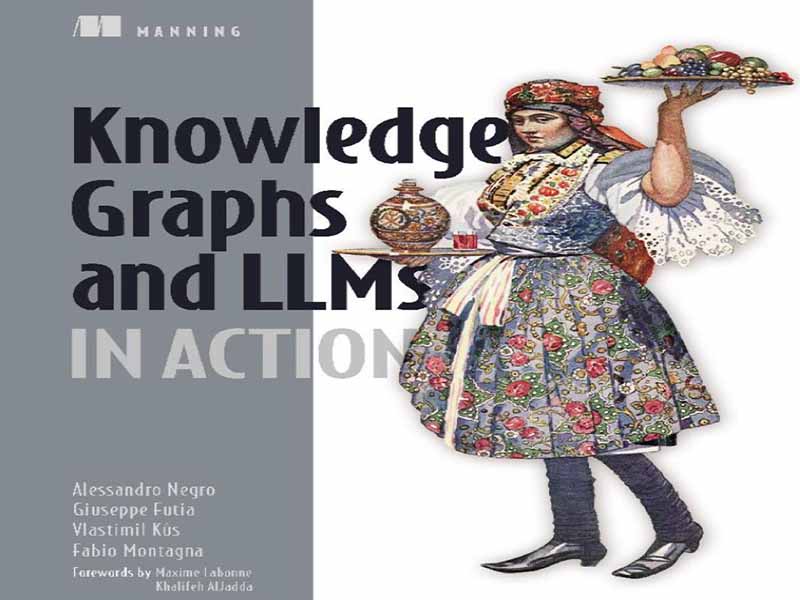
- عنوان کتاب: Knowledge Graphs and LLMs in Action
- نویسنده: Alessandro Negro, Vlastimil Kus, Giuseppe Futia
- حوزه: گراف دانش, مدل زبانی بزرگ
- سال انتشار: 2026
- تعداد صفحه: 876
- زبان اصلی: انگلیسی
- نوع فایل: pdf
- حجم فایل: 19.2 مگابایت
وقتی داشتم کتاب قبلیام، «یادگیری ماشین مبتنی بر گراف»، را تمام میکردم، با مایک استفنز، ویراستار بخش خرید کتاب، تماس گرفتم و پیشنهادی برای ادامهی طبیعی آن ارائه دادم. آن کار قبلی، گرافهای دانش را معرفی کرد و نشان داد که چگونه میتوان آنها را با استفاده از پردازش زبان طبیعی ساخت، اما بسیاری از خوانندگان اشاره کردند که شبکههای عصبی گراف، قطعهی گمشدهی مهمی هستند. کتاب پیشنهادی من این شکاف را پر میکرد و در عین حال داستان گراف دانش را بیشتر گسترش میداد، از جمله تجزیه و تحلیل دقیق و تکنیکهای ساخت. مایک این پیشنهاد را پذیرفت و من ماجراجویی جدیدی را با عنوان کاری «گرافهای دانش کاربردی» آغاز کردم. با درک دامنهی چالش، از سه همکارم از GraphAware – فابیو، جوزپه و ولاستیمیل – دعوت کردم تا به این تلاش بپیوندند، با این اطمینان که تخصص ترکیبی آنها بسیار ارزشمند خواهد بود. من سادهلوحانه فکر میکردم که اگر یک نویسنده بتواند در چهار سال کتابی بنویسد، چهار نویسنده میتوانند آن را تنها در یک سال تکمیل کنند. این فرض به همان اندازه که انتظار داشتم نه زن در یک ماه بچهدار شوند، اشتباه از آب درآمد. واقعیت برنامههای دیگری داشت. در طول سالهای گذشته، تغییرات قابل توجهی در چشمانداز فناوری رخ داده است. مدلهای زبان بزرگ (LLM) و هوش مصنوعی مولد، این حوزه را به طور کامل متحول کردند و متخصصان نمودار دانش ناگهان خود را با فرصتهای بیسابقهای برای استفاده از این فناوری تثبیتشده به روشهای انقلابی یافتند. ما در ابتدا قصد داشتیم بر اساس ابزارهای پردازش زبان طبیعی (NLP) موجود مانند BERT کار کنیم، اما این ابزارها به سرعت توسط قابلیتهای LLM که امکانات جدیدی را برای ساخت، پرسوجو و تجزیه و تحلیل نمودارهای دانش فراهم میکردند، جایگزین شدند. این دقیقاً همان جایی بود که بسیاری از متخصصان، از جمله خود ما، در آن مشکل داشتیم. به جای مقاومت در برابر این تحول، به همراه مایک و داستین آرچیبالد (ویراستار توسعه ما)، تصمیم گرفتیم آن را بپذیریم. عنوان خود را به نمودارهای دانش و LLMها در عمل تغییر دادیم و محتوا را به طور قابل توجهی اصلاح کردیم تا LLMها را به عنوان جزء جداییناپذیر هدف نهایی خود قرار دهیم: سیستمهای مشاور هوشمند که انسانها را در انجام وظایف تصمیمگیری پیچیده توانمند میسازند. این چرخش نیاز به اصلاح گسترده و تغییر اساسی در رویکرد ما داشت، اما نتیجه فراتر از انتظارات ما بود. کتابی که میخوانید به مانیفستی برای قدرت سیستمهای ترکیبی تبدیل شده است. این نشان میدهد که چگونه ترکیب این فناوریها – گرافهای دانش که به خوبی جا افتادهاند و LLMها که به تازگی ظهور کردهاند – یک اثر چرخ لنگر ایجاد میکند که نتایج بلندمدت قابل توجهی را ارائه میدهد. متخصصان گراف دانش نحوه استفاده از قابلیتهای LLM را برای تأثیر بیشتر کشف خواهند کرد و متخصصان LLM تکنیکهایی را یاد خواهند گرفت که برخی از محدودیتهای اصلی مدلهای زبانی را برطرف میکنند.
When I was nearing completion of my previous book, Graph-Powered Machine Learning, I reached out to my acquisitions editor, Mike Stephens, with a proposal for a natural continuation. That earlier work introduced knowledge graphs and demonstrated how they could be built using natural language processing, but many readers pointed out that graph neural networks were a significant missing piece. My proposed book would fill that gap while extending the knowledge graph story further, including detailed analysis and building techniques. Mike accepted the proposal, and I embarked on a new adventure with the working title Knowledge Graphs Applied. Recognizing the scope of the challenge, I invited three colleagues from GraphAware—Fabio, Giuseppe, and Vlastimil—to join the effort, confident that their combined expertise would be invaluable. I naively thought that if one author could write a book in four years, four authors could complete a book in just a year. That assumption proved as flawed as expecting nine women to deliver a baby in one month. Reality had other plans. Over the past years, significant changes swept through the technology landscape. Large language models (LLMs) and generative AI disrupted the field entirely, and knowledge graph practitioners suddenly found themselves with unprecedented opportunities to use this established technology in revolutionary ways. We initially planned to build on existing natural language processing (NLP) tools like BERT, but these were rapidly being superseded by LLM capabilities that opened new possibilities for building, querying, and analyzing knowledge graphs. This was precisely where many practitioners, ourselves included, were struggling. Rather than resist this transformation, we decided, together with Mike and Dustin Archibald (our development editor), to embrace it. We adjusted our title to Knowledge Graphs and LLMs in Action and substantially revised the content to position LLMs as an integral component of our ultimate goal: intelligent advisor systems that empower humans in performing complex decision-making tasks. This pivot required extensive refactoring and a fundamental shift in our approach, but the result exceeded our expectations. The book you are reading has evolved into a manifesto for the power of hybrid systems. It demonstrates how combining these technologies—knowledge graphs, which are well established, and LLMs, which are newly emerged— creates a flywheel effect that delivers remarkable long-term results. Knowledge graph practitioners will discover how to use LLM capabilities for greater impact, and LLM practitioners will learn techniques that address some of the major limitations of language models.
این کتاب را میتوانید از لینک زیر بصورت رایگان دانلود کنید:
Download: Knowledge Graphs and LLMs in Action





















نظرات کاربران