













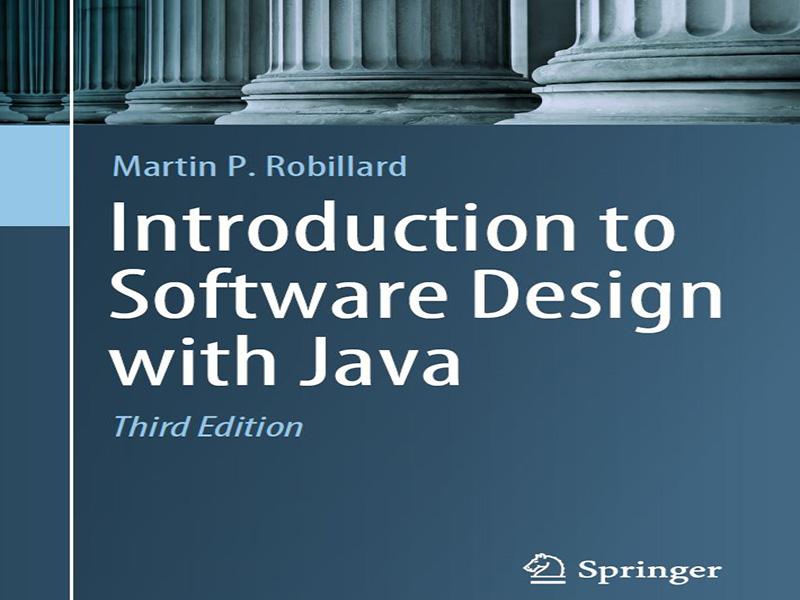
- عنوان کتاب: Introduction to Software Design with Java
- نویسنده: Martin P. Robillard
- حوزه: برنامهنویسی جاوا
- سال انتشار: 2026
- تعداد صفحه: 303
- زبان اصلی: انگلیسی
- نوع فایل: pdf
- حجم فایل: 5.78 مگابایت
هدف این کتاب کمک به خوانندگان برای یادگیری طراحی نرمافزار با کشف تجربه فرآیند طراحی است. من دانش و تجربه خود در طراحی نرمافزار را از طریق روایتی به اشتراک میگذارم که هر عنصر دانش طراحی را در متن معرفی میکند و راهحلهای جایگزین را در آن زمینه بررسی میکند. این روایت توسط صدها قطعه کد و نمودار طراحی پشتیبانی میشود.
این کتاب بر اساس دو دهه تدریس طراحی نرمافزار در دانشگاه مکگیل نوشته شده است. در ابتدا، رویکرد من توضیح دانش طراحی نرمافزار موجود بود. با این حال، خیلی زود متوجه شدم که چالش اصلی آموزش طراحی نرمافزار نه در بیان نحوه بهکارگیری یک تکنیک طراحی مشخص، بلکه در زمینه و از همه مهمتر، به چه دلیلی است.
امید من این است که این کتاب بتواند به عنوان منبعی مؤثر برای یادگیری طراحی نرمافزار عمل کند. با این حال، من معتقد نیستم که صرفاً با خواندن یک کتاب میتوان مهارتهای طراحی قابلتوجهی را توسعه داد. در فرآیند یادگیری خودم، از خواندن کد دیگران، نوشتن منظم کد و اصلاح بیوقفه کدهای موجود برای آزمایش راهحلهای طراحی جایگزین، بسیار بهره بردهام. به همین دلیل، این کتاب بر کدنویسی و آزمایش به عنوان مکملی ضروری برای خواندن متن تأکید میکند. برای پشتیبانی از این جنبه از فرآیند یادگیری، یک وبسایت همراه با تمرینهای عملی و دو نمونه برنامه کاربردی که تصمیمات طراحی متعددی را نشان میدهند، ارائه میدهم. جهتگیری از طریق این نمونههای برنامه کاربردی در داخل بخشهای Code Exploration در سراسر فصلها ارائه شده است.
همانطور که عنوان آن نشان میدهد، این کتاب مقدمهای بر طراحی نرمافزار با استفاده از زبان برنامهنویسی جاوا ارائه میدهد. کد مورد استفاده در سراسر کتاب، و همچنین نمونههای برنامه کاربردی، به زبان جاوا هستند. با این حال، زبان برنامهنویسی جاوا وسیلهای برای انتقال ایدههای طراحی است و نه موضوع کتاب. هدف من پوشش مفاهیم و تکنیکهای طراحی است که در مجموعهای از فناوریها قابل اجرا هستند. بسیاری از مفاهیم، مانند کپسولهسازی، در هر فناوری مرتبط خواهند بود. برخی دیگر، مانند وراثت، مختص به پارادایم خواهند بود، اما در چندین زبان برنامهنویسی مرتبط هستند. برای اطلاعات عمومی و خاص پارادایم، تطبیق مثالها با سایر زبانهای برنامهنویسی باید ساده باشد. در چند مورد، به یک مکانیسم خاص جاوا با پیامدهایی بر طراحی میپردازم. در چنین مواردی، این مکانیسم به عنوان تحقق یک ایده کلیتر ارائه میشود. این کتاب برای خوانندگانی در نظر گرفته شده است که حداقل تجربه برنامهنویسی را دارند و میخواهند از نوشتن برنامهها و اسکریپتهای کوچک به سمت توسعه سیستمهای بزرگتر حرکت کنند. این مخاطبان طبیعتاً شامل دانشجویان رشتههای علوم کامپیوتر و مهندسی نرمافزار در سطح دانشگاه میشوند. با این حال، من پیشنیازهای مفاهیم تخصصی محاسبات را به حداقل رساندهام، به طوری که محتوا برای برنامهنویسانی که آموزش اولیه در زمینه محاسبات ندارند نیز قابل دسترسی باشد. به همین ترتیب، درک قطعات کد فقط به حداقل دانش جاوا نیاز دارد، مانند آنچه در یک دوره مقدماتی برنامهنویسی تدریس میشود. اطلاعات مربوط به جاوا که برای درک متن بسیار مهم است، در پیوست ارائه شده است، ویژگیهای پیشرفتهتر در صورت لزوم معرفی و توضیح داده شدهاند و من حداقل ارجاعات را به عناصر کتابخانه کلاس این زبان دادهام. بنابراین، امید من این است که این کتاب برای هر کسی که میخواهد نرمافزاری تمیز و با طراحی خوب بنویسد، مفید باشد.
The goal of this book is to help readers learn software design by discovering the experience of the design process. I share my knowledge and experience of software design through a narrative that introduces each element of design know-how in con-text, and explores alternative solutions in that context. The narrative is supported by hundreds of code fragments and design diagrams.
This book is grounded in two decades of teaching software design at McGill University. Initially, my approach was to explain the existing software design know-how. However, I soon realized that the main challenge of teaching software design lay not in communicating how to apply a given design technique, but rather in which context and, most importantly, for what reason.
My hope is that this book can serve as an effective resource for learning soft-ware design. However, I do not believe that it is possible to develop significant design skills solely by reading a book. In my own learning process, I have benefited hugely from reading other people’s code, regularly writing code, and relentlessly refactoring existing code to experiment with alternative design solutions. For this reason, this book emphasizes coding and experimentation as a necessary comple-ment to reading the text. To support this aspect of the learning process, I provide a companion website with practice exercises, and two sample applications that illus-trate numerous design decisions. An orientation through these sample applications is provided in Code Exploration insets throughout the chapters.
As its title indicates, this book provides an introduction to software design us-ing the Java programming language. The code used throughout the book, as well as the sample applications, are in Java. The Java programming language, however, is a means to communicate design ideas, and not the topic of the book. I aimed to cover design concepts and techniques that are applicable in a host of technologies. Many concepts, such as encapsulation, will be relevant in any technology. Others, such as inheritance, will be paradigm-specific, but relevant in multiple program-ming languages. For both general and paradigm-specific information, it should be straightforward to adapt the examples to other programming languages. In a few cases, I address a Java-specific mechanism with implications on design. In such cases, the mechanism is presented as one realization of a more general idea. This book is targeted at readers who have a minimum of programming experience and want to move from writing small programs and scripts to tackling the develop-ment of larger systems. This audience naturally includes students in university-level computer science and software engineering programs. However, I kept the prerequi-sites to specialized computing concepts to a minimum, so that the content is also ac-cessible to programmers without a primary training in computing. In a similar vein, understanding the code fragments requires only a minimum knowledge of Java, such as would be taught in an introductory programming course. Information about Java that is crucial to understand the text is provided in an appendix, more advanced features are introduced and explained as necessary, and I make a minimum of refer-ences to elements of the language’s class library. My hope is thus that the book can be useful to anyone who wants to write clean, well-designed software.
این کتاب را میتوانید از لینک زیر بصورت رایگان دانلود کنید:






















نظرات کاربران