














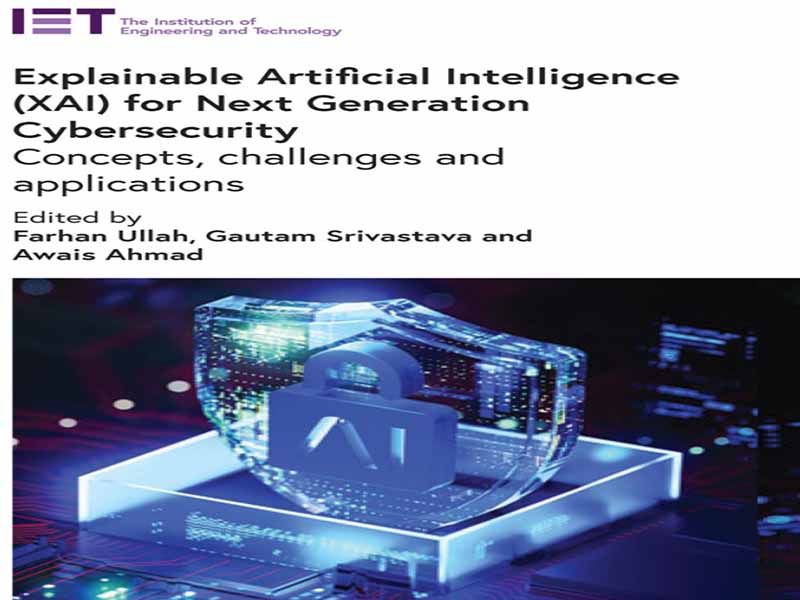
- عنوان کتاب: Explainable Artificial Intelligence (Xai) for Next Generation Cybersecurity Concepts, challenges and applications
- نویسنده: Farhan Ullah, Farhan Ullah, Gautam Srivastava
- حوزه: امنیت سایبری
- سال انتشار: 2025
- تعداد صفحه: 436
- زبان اصلی: انگلیسی
- نوع فایل: pdf
- حجم فایل: 18.5 مگابایت
هوش مصنوعی قابل توضیح (XAI) پتانسیل ایجاد یک تغییر الگو در نسل بعدی سیستمهای هوش مصنوعی (AI) را دارد. با پیشرفت فناوریهای هوش مصنوعی و تأثیرگذاری بر جنبههای بیشتر زندگی ما، نیاز به باز بودن و قابلیت تفسیر به طور فزایندهای اهمیت پیدا میکند. XAI تلاش میکند تا الگوریتمها و روشهای هوش مصنوعی را برای تصمیمگیری برای مردم قابل فهم کند و به چالشهای اعتماد، عدالت و پاسخگویی بپردازد. این به مردم کمک میکند تا درک کنند که چرا سیستمهای هوش مصنوعی تصمیمات خاصی میگیرند، تعصبات را کاهش میدهند و رعایت قوانین را آسانتر میکنند. پیشبینی میشود XAI در عصر هوش مصنوعی آینده با بهبود افشای مدل، تولید رویکردهای یادگیری عمیق ذاتاً قابل تفسیر، ارائه منطقهای بلادرنگ و ترویج رویههای مشروع هوش مصنوعی ظهور کند. این پیشرفتها در قابلیت توضیح برای توسعه اعتماد، ایجاد تعامل بین انسان و هوش مصنوعی و تضمین استقرار پایدار و قانونی هوش مصنوعی در صنایع مختلف حیاتی هستند. آنها نه تنها کاربران را قادر میسازند تا بر اساس توصیههای هوش مصنوعی انتخابهای هوشمندانهای انجام دهند، بلکه از ادامه مطالعه در مورد استفاده قانونی و آزاد هوش مصنوعی نیز پشتیبانی میکنند و به توسعه یک اکوسیستم هوش مصنوعی اخلاقیتر در آینده کمک میکنند. در حوزه پویای امنیت سایبری، چالشهای پیچیده زیادی همچنان وجود دارد که نیاز به نظارت و پیشرفت مداوم دارد. برنامههای امنیت سایبری از دادهها محافظت میکنند، کلاهبرداری را شناسایی میکنند، از زیرساختهای حیاتی محافظت میکنند و محرمانگی را برای مشاغل مختلف از بانکداری گرفته تا مراقبتهای بهداشتی و ایالتی تضمین میکنند. آنها همچنین از تراکنشها، دستگاههای اینترنت اشیا (IoT) و اطلاعات محافظت میکنند. حفاظت از داراییها و اطلاعات در دنیای دیجیتال رو به رشد بسیار مهم است. چشمانداز تهدیدهای در حال تغییر شامل دشمنان قدرتمندی مانند بازیگران مخرب و هکرهای تأمین مالی شده توسط دولتها است که همیشه در حال اصلاح استراتژیهای خود هستند. ظهور سوءاستفادههای روز صفر و همچنین افزایش مختلکننده حملات باجافزاری، بر ماهیت بحرانی مشکل تأکید میکند. با تکامل اینترنت اشیا و پیچیدهتر شدن زنجیرههای تأمین، راههای جدیدی برای حمله ایجاد میشود که اقدامات دفاعی را به چالش میکشد. آسیبپذیری مداوم مؤلفه انسانی، همانطور که با تلاشهای موفق فیشینگ نشان داده شده است، بر اهمیت تلاشهای مداوم آموزش و آگاهی تأکید میکند. تهدیدات پیشرفته مداوم، که اغلب توسط دولتها سازماندهی میشوند، نیاز به نظارت مداوم و پاسخهای تطبیقی دارند. رعایت استانداردهای سختگیرانه حریم خصوصی دادهها، مانند مقررات عمومی حفاظت از دادهها و قانون حفظ حریم خصوصی مصرفکننده کالیفرنیا، بر پیچیدگی مدیریت اکوسیستمهای داده میافزاید. این مسائل با خطرات داخلی، امنیت ابری و ماهیت جهانی حملات سایبری تشدید میشوند. با توجه به ماهیت پویای جبهه نبرد امنیت سایبری، یک رویکرد جامع باید شامل هوش تهدید پیشگیرانه، آموزش کارکنان، ابزارهای امنیتی مؤثر، ارتقاء منظم و همکاری جهانی باشد. گنجاندن XAI در امنیت سایبری، تشخیص تهدید و تصمیمگیری را افزایش میدهد. XAI هشدارهای امنیتی را توضیح میدهد، مثبتهای کاذب را کاهش میدهد و امکان پاسخ سریعتر به حوادث را فراهم میکند. شفافیت و پاسخگویی برای شیوههای امنیتی مبتنی بر هوش مصنوعی به انطباق، آگاهی کاربر و اعتمادسازی کمک میکند. XAI از دادههای جدید یاد میگیرد تا استفاده از منابع را بهینه کند و با تهدیدات نوظهور سازگار شود و آن را در چشمانداز پیچیده امنیت سایبری مدرن مؤثر میسازد. هدف این کتاب ارائه بینشی در مورد کاربردهای XAI برای حل برخی از مسائل پردازش دادهها و آسیبپذیریها در برنامههای امنیت سایبری است. این مجموعه اطلاعات همچنین بحث مفصلی در مورد چگونگی استفاده از الگوریتمهای امنیت سایبری مبتنی بر XAI برای مدیریت ماهیت پویای حملات سایبری، حفظ حریم خصوصی، بهینهسازی هزینههای محاسباتی و ارتباطی و غیره ارائه میدهد. فصلهای این کتاب دانش عملی و نظری را برای محققان و متخصصان جهانی که در زمینههای XAI، برنامههای امنیت سایبری و یادگیری ماشینی و عمیق کار میکنند، فراهم میکند. در نهایت، این کتاب با هدف ارائه بینشهای مفید و عمل به عنوان یک کتاب مرجع برای دانشجویان و محققان پیشرفته در دانشگاه و صنعت تهیه شده است. فصلهای این کتاب شامل XAI در کاربردهای امنیت سایبری مانند تحلیل بدافزار، XAI قابل اعتماد، اینترنت اشیا، مراقبتهای بهداشتی، کلانداده، مدلهای زبانی بزرگ، شبکههای خودرویی، یادگیری فدرال، بلاکچین، یادگیری تقویتی و تشخیص تهدید است. علاوه بر این، در این کتاب بر چالشهای اخلاقی و اجتماعی موجود در نسل بعدی هوش مصنوعی تأکید شده است. فصل 1 مروری بر XAI در امنیت سایبری دارد و آن را از دریچه گذشته، حال و آینده بررسی میکند، در حالی که فصل 2 شکاف XAI را در تشخیص تهدید پر میکند. فصل 3 به XAI در تشخیص تهدید میپردازد. فصل 4 XAI را با بلاکچین برای مقابله با مسائل امنیت سایبری ادغام میکند. فصل 5 از بلاکچین و هوش مصنوعی برای مقابله با مسائل مربوط به کاهش تهدید استفاده میکند. فصل 6 یادگیری تقویتی عمیق را برای امنیت سایبری شرح میدهد، در حالی که فصل 7 XAI قابل اعتماد را خلاصه میکند. فصل 8 تجزیه و تحلیل بدافزار در اینترنت اشیا را بررسی میکند.
Explainable AI (XAI) has the potential to be a paradigm shift in the next generation of artificial intelligence (AI) systems. As AI technologies progress and influence more facets of our lives, the requirement for openness and interpretability becomes increasingly important. XAI strives to make AI algorithms and methods for decision-making understandable to people, tackling trust, justice, and accountability challenges. It helps people comprehend why AI systems make certain decisions, reduce biases, and make it easier to comply with rules. XAI is predicted to emerge in the future AI era by improving model disclosure, producing intrinsically interpretable deep learning approaches, offering real-time rationales and promoting legitimate AI practice. These advances in explainability are critical for developing trust, enabling interaction between humans and AI, and assuring sustainable and legal AI deployment across various industries. They not only enable users to make intelligent choices based on AI recommendations, but they also support continuing study into AI’s legal and open use, assisting in the development of a more ethically sound AI ecosystem in the future. In the dynamic domain of cybersecurity, a multitude of complex challenges persist, necessitating constant surveillance and advancement. Cybersecurity apps safeguard data, identify fraud, protect vital infrastructure, and assure confidentiality for businesses ranging from banking to healthcare to the state. They also protect transactions, Internet of Things (IoT) devices, and information. The protection of assets and information is crucial in the increasingly digital world. The ever-changing threat landscape includes powerful adversaries such as malicious actors and hackers funded by states who are always refining their strategies. The advent of zero-day exploits, as well as the disrupting surge of ransomware attacks, emphasizes the critical nature of the problem. As the IoT evolves and supply chains become more complicated, novel avenues for attack arise, challenging defense measures. The persistent susceptibility of the human component, as demonstrated by successful phishing attempts, emphasizes the importance of continued education and awareness efforts. Advanced persistent threats, which are frequently organized by nationstates, demand ongoing monitoring and adaptive responses. Compliance with severe data privacy standards, such as General Data Protection Regulation and California Consumer Privacy Act, adds to the complexity of handling data ecosystems. These issues are exacerbated by insider risks, cloud security, and the global nature of cyberattacks. Considering the dynamic nature of the cybersecurity battlefront, a holistic approach must include preemptive threat intelligence, staff training, effective security tools, regular upgrades, and global collaboration. Incorporating XAI into cybersecurity increases threat detection and decision-making. XAI explains security alerts, reducing false positives and enabling faster incident response. Transparency and accountability for AIdriven security practices help with compliance, user awareness, and trustbuilding. XAI learns from new data to optimize resource utilization and adapt to emerging threats, making it effective in the modern complex cybersecurity landscape. The objective of this book is to provide insight on the applications of XAI to solve some of the issues of data processing and vulnerabilities in cybersecurity applications. This collection of information also provides a detailed discussion on how XAI-based cybersecurity algorithms can be used to handle dynamic nature of cyberattacks, preserve privacy, optimize computational and communication costs, etc. The chapters provide both practical and theoretical knowledge for global researchers and practitioners who are working in the fields of XAI, cybersecurity applications, and machine and deep learning. Finally, this book is meant to give useful insights and act as a reference book for advanced students and researchers in academia and industry. The chapters in this book include XAI in cybersecurity applications such as malware analysis, trustworthy XAI, IoT, healthcare, big data, large language models, vehicular networks, federated learning, blockchain, reinforcement learning, and threat detection. Moreover, some emphasis is given in the book on the ethical and social challenges that exist in the next generation of AI. Chapter 1 gives an overview of XAI in cybersecurity looking at it from the lens of past, present, and future, while Chapter 2 bridges the gap with XAI in threat detection. Chapter 3 looks into XAI in threat detection. Chapter 4 integrates XAI with blockchain to tackle cybersecurity issues. Chapter 5 leverages blockchain and AI to combat issues in threat mitigation. Chapter 6 describes deep reinforcement learning for cybersecurity, while Chapter 7 summarizes trustworthy XAI. Chapter 8 investigates malware analysis in the IoT. Chapter 9 uses game theory and AI for tackling threat detection in IoT. Chapter 10 tackles security issues in network traffic in IoT, while Chapter 11 looks at vehicular communication in vehicular ad hoc networks and how large language models can be used to ensure reliable networks. Shifting focus to learning systems, Chapter 12 looks at using a federated learning system in digital healthcare. Focusing on IoT, Chapter 13 gives an overview of IoT guardian meant to mitigate reliability issues in the Internet of Medical Things. Chapters 14 and 15 dive into the ethical and social challenges that exist in the next generation of AI. The editors would like to thank Olivia Wilkins, Brittany Insull, and Valerie Moliere as well as the rest of the IET staff for their editorial assistance and support in producing this important scientific work. Without this collective effort, this book would not have been possible to be completed.
این کتاب را میتوانید از لینک زیر بصورت رایگان دانلود کنید:
Download: Explainable Artificial Intelligence (Xai) for Next Generation Cybersecurity























نظرات کاربران