




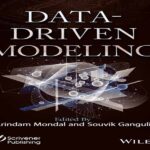




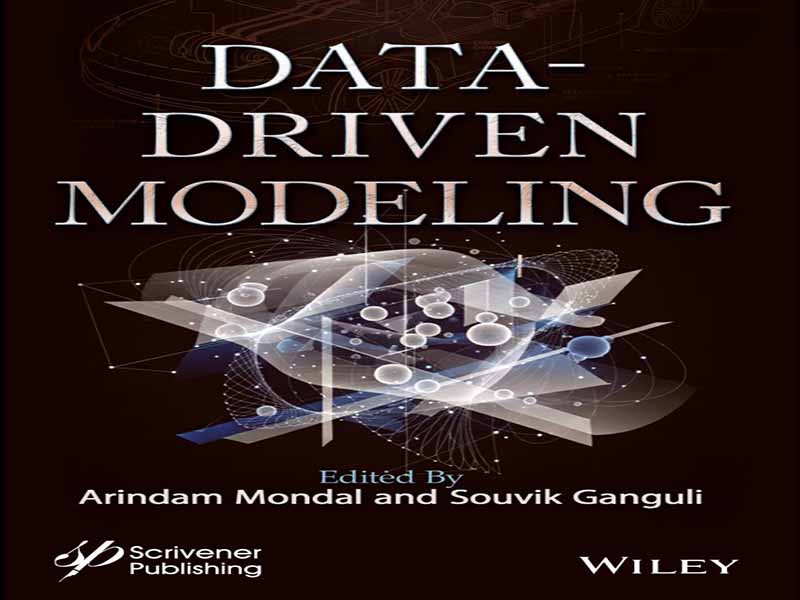
- عنوان کتاب: Data-Driven Modeling
- نویسنده: Arindam Mondal, Souvik Ganguli
- حوزه: دادهمحور
- سال انتشار: 2026
- تعداد صفحه: 323
- زبان اصلی: انگلیسی
- نوع فایل: pdf
- حجم فایل: 12.2 مگابایت
گسترش سریع تولید دادهها در حوزههای علمی، صنعتی و اجتماعی، نحوه مدلسازی، تحلیل و کنترل سیستمها را بازتعریف کرده است. رویکردهای سنتی مدلسازی، که زمانی متکی به فرمولهای تحلیلی ثابت بودند، اکنون توسط مدلهای دادهمحور که مستقیماً از شواهد تجربی یاد میگیرند، تکمیل میشوند – و اغلب از آنها پیشی میگیرند. این تکامل نه تنها نحوه درک ما از سیستمهای پیچیده را متحول کرده است، بلکه نحوه بهینهسازی، پیشبینی و کنترل آنها را در محیطهای دنیای واقعی نیز متحول کرده است. کتاب «مدلسازی دادهمحور» مجموعهای متنوع از دیدگاهها و روشها را برای پر کردن شکاف بین مدلسازی نظری و هوش دادهمحور گرد هم آورده است. این یک کار مشترک توسط محققان و متخصصانی است که متعهد به پیشبرد مرزهای سیستمهای هوشمند، قابل توضیح و تطبیقی هستند. فصلها شامل نظریه بنیادی، نوآوریهای روششناختی و بینشهای کاربردی از رشتههای مختلف هستند و روایتی منسجم از اصول اولیه تا تکنیکهای پیشرفته را تشکیل میدهند. فصل 1، اصول تحلیل و پیشپردازش دادهها، با بحث در مورد اهمیت حیاتی آمادهسازی دادهها – شامل پاکسازی، ادغام، تبدیل، کاهش و گسستهسازی دادهها – و نقش جمعی آنها در تضمین نتایج مدلسازی قوی، زمینه را فراهم میکند. این فصل تأکید میکند که دادههای باکیفیت، سنگ بنای تحلیل معنادار و تصمیمگیری قابل اعتماد هستند. فصل ۲، روشهای پیشرفته کنترل دادهها برای مدلسازی دادهمحور، رویکردهای مدرن به مدیریت دادهها، کنترل غیرمتمرکز، حفظ حریم خصوصی و معماریهای دادههای فدرال را معرفی میکند. این فصل بررسی میکند که چگونه کنترل دادهها و تنظیم تطبیقی، ستون فقرات مدلسازی قابل اعتماد، ایمن و مقیاسپذیر را در حوزههایی مانند مراقبتهای بهداشتی، مالی و شبکههای هوشمند تشکیل میدهند. فصل ۳ شرحی روشن از الگوریتمهای یادگیری ماشین برای مدلسازی دادهمحور ارائه میدهد و الگوهای یادگیری نظارتشده، بدون نظارت و تقویتی و کاربردهای آنها را در طبقهبندی، خوشهبندی و تحلیل پیشبینی برجسته میکند. فصل ۴، شبکههای عصبی و یادگیری عمیق در مدلسازی دادهمحور، به بررسی معماریهای عصبی پیشرفته، از جمله CNNها، RNNها، GANها و مکانیسمهای توجه میپردازد. این فصل بر نقش آنها در حل مسائل پیچیدهای مانند تشخیص تصویر، NLP، پیشبینی سریهای زمانی و تشخیص ناهنجاری تأکید میکند. فصل ۵ بحث را به سمت تحلیل سریهای زمانی برای پیشبینی پیشبینانه پیش میبرد – مدلهای کلاسیکی مانند ARIMA و رویکردهای فضای حالت و روشهای نوظهور مبتنی بر یادگیری عمیق برای پیشبینی سیستمهای پویا را معرفی میکند. فصلهای ۶ و ۷ این نظریه را به کاربردهای کشاورزی وارد میکنند و نشان میدهند که چگونه یادگیری گروهی (جنگلهای تصادفی، تقویت گرادیان، XGBoost) و سیستمهای تصمیمگیری مبتنی بر هوش مصنوعی میتوانند کشاورزی هوشمند و پایدار را، بهویژه برای محصولات Solanaceae، متحول کنند. فصل ۸، یادگیری انتقالی چندوظیفهای پویا، به اشتراکگذاری تطبیقی ویژگی و چارچوبهای یادگیری مداوم – که برای اکوسیستمهای داده در حال تکامل که در آنها استفاده مجدد از مدل و تعمیم بین دامنهای ضروری است، حیاتی هستند – بحث میکند. فصل ۹ تکنیکهای پیشبینی مبتنی بر داده مانند ARIMA را در حوزه انرژی تجدیدپذیر به کار میبرد و پیشبینی تولید انرژی خورشیدی و تبدیل دادههای غیر ایستا به بینشهای عملی را نشان میدهد. فصل ۱۰، پیشبینی بازیها، به بررسی یک کاربرد جذاب از سیستمهای استنتاج فازی-شبکه عصبی مصنوعی ترکیبی (ANFIS) در تجزیه و تحلیل ورزشی برای پیشبینی پویای امتیاز و مدلسازی استراتژیک میپردازد. فصلهای ۱۱ و ۱۲، فصل مشترک نظریه کنترل و یادگیری ماشین را از طریق طراحی کنترلکننده PID و تشخیص دادهمحور در سیستمهای غیرخطی، با ادغام بهینهسازی مبتنی بر گرادیان و مدلسازی هوشمند، به نمایش میگذارند. فصل ۱۳، «بازتابپذیری زمانی» (Temporal Resilience Redux)، کتاب را با کاربردهای یادگیری عمیق برای پیشبینی بار کوتاهمدت با استفاده از معماریهای LSTM دوطرفه به پایان میرساند – که نشان میدهد چگونه شبکههای زمانی وابستگیهای پویا را برای تخمین دقیق تقاضای انرژی به دست میآورند. در سراسر این فصلها، خوانندگان نه تنها روشهای پیشرفته، بلکه وضوح مفهومی و راهنماییهای عملی در مورد چگونگی پیادهسازی الگوهای دادهمحور در بخشهای مختلف – از وسایل نقلیه خودران و کنترل صنعتی گرفته تا کشاورزی، امور مالی و سیستمهای انرژی تجدیدپذیر – را خواهند یافت. ویراستاران آگاهانه کتاب را طوری طراحی کردهاند که به آرامی از اصول بنیادی به کاربردهای پیچیده و بینرشتهای منتقل شود و منعکسکننده پیوستار واقعی تحقیقات دادهمحور باشد.
The rapid expansion of data generation across scientific, industrial, and social domains has redefined how systems are modeled, analysed, and controlled. Traditional modeling approaches, once reliant on fixed analytical formulations, are now being complemented—and often surpassed—by data-driven models that learn directly from empirical evidence. This evolution has not only revolutionized how we perceive complex systems but also how we optimize, predict, and control them in real-world environments. The book Data-Driven Modeling brings together a diverse set of perspectives and methods to bridge the gap between theoretical modeling and data-centric intelligence. It is a collaborative work by researchers and practitioners committed to advancing the frontiers of intelligent, explainable, and adaptive systems. The chapters cover foundational theory, methodological innovations, and applied insights from multiple disciplines, forming a coherent narrative from fundamentals to advanced techniques. Chapter 1, Fundamentals of Data Analysis and Preprocessing sets the stage by discussing the critical importance of data preparation—covering data cleaning, integration, transformation, reduction, and discretization— and their collective role in ensuring robust modeling outcomes. The chapter underscores that quality data is the cornerstone of meaningful analysis and reliable decision-making. Chapter 2, Advanced Data Control Methods for Data-Driven Modeling introduces modern approaches to data governance, decentralized control, privacy preservation, and federated data architectures. It explores how data control and adaptive regulation form the backbone of reliable, secure, and scalable modeling in domains such as healthcare, finance, and smart grids. Chapter 3 provides a lucid exposition on Machine Learning Algorithms for Data-Driven Modeling, highlighting supervised, unsupervised, and reinforcement learning paradigms and their applications in classification, clustering, and predictive analysis. Chapter 4, Neural Networks and Deep Learning in Data-Driven Modeling, delves into advanced neural architectures, including CNNs, RNNs, GANs, and attention mechanisms. It emphasizes their role in solving complex problems such as image recognition, NLP, time-series forecasting, and anomaly detection. Chapter 5 advances the discussion into Time-Series Analysis for predictive forecasting—introducing classical models such as ARIMA and state-space approaches, and emerging deep-learning-based methods for dynamic systems prediction. Chapters 6 and 7 bring the theory into Agricultural Applications, demonstrating how ensemble learning (Random Forests, Gradient Boosting, XGBoost) and AI-enabled decision systems can revolutionize smart and sustainable farming, particularly for Solanaceae crops. Chapter 8, Dynamic Multitask Transfer Learning, discusses adaptive feature sharing and continual learning frameworks—critical for evolving data ecosystems where model reuse and cross-domain generalization are essential. Chapter 9 applies data-driven forecasting techniques such as ARIMA to the renewable energy domain, illustrating Solar Power Generation Prediction and the transformation of non-stationary data into actionable insights. Chapter 10, Prognosticating Plays, explores a fascinating application of hybrid Artificial Neural Network–Fuzzy Inference Systems (ANFIS) in sports analytics for dynamic score prediction and strategic modeling. Chapters 11 and 12 showcase the intersection of control theory and machine learning through PID Controller Design and Data-Driven Recognition in Nonlinear Systems, integrating gradient-based optimization and intelligent modeling. Chapter 13, Temporal Resilience Redux concludes the book with deep learning applications for short-term load forecasting using bidirectional LSTM architectures—demonstrating how temporal networks capture dynamic dependencies for precise energy demand estimation. Across these chapters, readers will find not only state-of-the-art methodologies but also conceptual clarity and practical guidance on how to implement data-driven paradigms in diverse sectors—from autonomous vehicles and industrial control to agriculture, finance, and renewable energy systems. The editors have consciously designed the book to transition smoothly from fundamental principles to complex, cross-disciplinary applications, reflecting the true continuum of data-driven research.
این کتاب را میتوانید از لینک زیر بصورت رایگان دانلود کنید:
Download: Data-Driven Modeling






















نظرات کاربران