













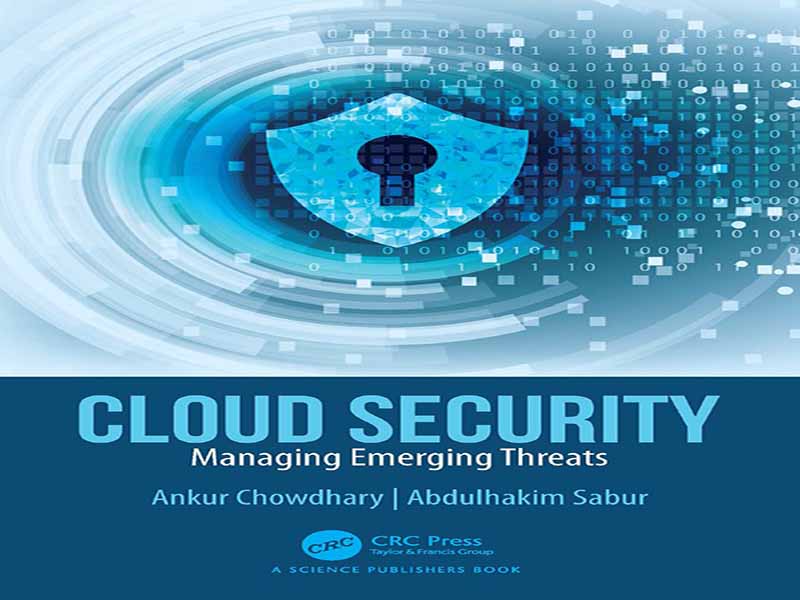
- عنوان کتاب: Cloud Security -Managing Emerging Threats
- نویسنده: Ankur Chowdhary Abdulhakim Sabur
- حوزه: امنیت ابر
- سال انتشار: 2026
- تعداد صفحه: 437
- زبان اصلی: انگلیسی
- نوع فایل: pdf
- حجم فایل: 7.64 مگابایت
این کتاب، «امنیت ابری: تهدیدهای نوظهور»، کاوشی جامع در چشمانداز در حال تحول امنیت ابری است. این کتاب با مبانی پلتفرمهای ابری مدرن شروع میشود، معماری و مدلهای استقرار را بررسی میکند و به طور عمیق به تهدیدات نوظهور و رویکردهای نوآورانه برای مقابله با آنها میپردازد. هدف ما این است که خوانندگان را درکی از مفاهیم اصلی امنیت ابری و ابزارهای عملی مانند مدلسازی تهدید که برای متخصصان صنعت بسیار مهم است، ارائه دهیم. ما همچنین به استراتژیهای عملی مانند آزمایش نفوذ در پلتفرمهای ابری و شناسایی تهدیدات نوظهور با استفاده از یک رویکرد پیشگیرانه میپردازیم. ما در فصل 1 معماری پلتفرم ابری، شامل مدلهای خدماتی مانند زیرساخت به عنوان سرویس (IaaS)، پلتفرم به عنوان سرویس (PaaS) و نرمافزار به عنوان سرویس (SaaS) را ارائه میدهیم. ما همچنین در این فصل مدلهای استقرار ابری مانند مدلهای عمومی، خصوصی، ترکیبی و اجتماعی را بررسی میکنیم. این مفاهیم بنیادی برای درک مدل مسئولیت مشترک ابری که زیربنای امنیت ابری است، مهم هستند. در فصل 2، بر تهدیدات نوظهور در محیط ابری، مانند سرویسهای پیکربندی نادرست، آسیبپذیریهای امنیت دادهها، با مطالعات موردی دنیای واقعی مانند نقض Capital One و حمله GitHub DDoS تمرکز میکنیم. طرح کلی دقیق نمودار جریان داده (DFD)، درختهای حمله و روشهای رتبهبندی تهدید، به متخصصان امنیت کمک میکند تا چارچوبی ساختارمند برای شناسایی، دستهبندی و رسیدگی به تهدیدهای امنیتی ارائه دهند. ما همچنین چارچوبهای مدلسازی تهدید مانند STRIDE و STRIDE-LM را معرفی میکنیم. همچنین کاربرد آنها را در سناریوهای مختلف در محیطهای ابری مورد بحث قرار میدهیم. آزمایش نفوذ برای تأمین امنیت پیشگیرانه برای یک سازمان مهم است. فصل 3 با برنامهریزی و تعیین محدوده بخش آزمایش نفوذ آغاز میشود. این فصل بر چالشهای منحصر به فرد ناشی از محیطهای ابری مختلف، مانند مدیریت سرویسهای شخص ثالث و پیمایش پیچیدگیهای پیچیده مدل مسئولیت مشترک، تأکید میکند. این فصل دستورالعملهای دقیقی برای انجام آزمایش نفوذ احراز هویت شده و احراز هویت نشده در سرویسهای وب آمازون (AWS)، مایکروسافت آزور و پلتفرم ابری گوگل (GCP) به همراه استراتژیها و ابزارهای آزمایش که میتوانند توسط آزمایشکنندگان نفوذ استفاده شوند، ارائه میدهد. این فصل همچنین از مطالعات موردی برای نشان دادن آزمایشهای استرس و آزمایش نفوذ در ابر برای آشکار کردن مسائل پیکربندی و خطرات عملیاتی استفاده میکند. با اتخاذ روشهای چابک توسط سازمانها، ادغام DevSecOps در محیطهای ابری اهمیت پیدا میکند. فصل ۴، چرخه حیات DevSecOps را از برنامهریزی و کدنویسی تا استقرار و بهرهبرداری ایمن، تشریح میکند. این فصل، کاربردهای خاص پلتفرم DevSecOps را بررسی میکند. ما در مورد CI/CD، آزمایش مداوم و ابزارهای حسابرسی در AWS بحث میکنیم. این فصل همچنین به جزئیات کنترل دسترسی مبتنی بر نقش (RBAC)، تقسیمبندی شبکه و اجرای خودکار سیاستهای امنیتی در زمینه Azure و GCP میپردازد. سایر رویکردهای نوآورانه، مانند فهرست سفید کانتینرها و آزمایش خودکار امنیتی در خطوط لوله منبع باز، نیز در این فصل گنجانده شدهاند. این فصل بر تغییرات فرهنگی و عملیاتی مورد نیاز برای گنجاندن امنیت در هر مرحله از چرخه حیات توسعه تأکید دارد. ما همچنین به نقش فناوریهای نوظهور هوش مصنوعی (AI) و یادگیری ماشین (ML) و نقش آنها در DevSecOps میپردازیم. فصل پنجم به جنبههای حیاتی حاکمیت و انطباق در محیطهای ابری میپردازد. این فصل مروری بر چارچوبهای جهانی مانند GDPR، HIPPA و قانون حفاظت از دادههای شخصی دیجیتال (DPDP) و پیامدهای آنها بر عملیات ابری ارائه میدهد. این فصل خطرات ذاتی محاسبات ابری را شناسایی کرده و استراتژیهایی را برای کاهش آنها بررسی میکند. توجه ویژهای به حریم خصوصی دادهها، آسیبپذیریهای احراز هویت و اهمیت رعایت دستورالعملهای انطباق با ابر ارائه شده توسط ارائه دهندگان اصلی مانند AWS، Azure و GCP شده است. فصل 6 به ساخت معماری ابری امن اختصاص داده شده است. این فصل خوانندگان را با اصول معماری Zero Trust آشنا میکند و بر تأیید صریح، دسترسی با حداقل امتیاز و ریزبخشبندی تأکید دارد. اصولی مانند مدیریت هویت و دسترسی (IAM) و استانداردهای احراز هویت و مجوز مانند OAuth 2.0 و OpenID Connect نیز در این فصل مورد بحث قرار گرفتهاند. این فصل همچنین استراتژیهایی برای مدیریت سیاستهای امنیتی و حل تعارضات سیاستهای امنیتی در ابر ارائه میدهد تا عملیات ابری یکپارچه تضمین شود. هوش مصنوعی و یادگیری ماشین در حال تغییر چشمانداز امنیت سایبری هستند. فصل 7 کاربرد آنها را در امنیت ابر بررسی میکند. برخی از مباحث مهم مورد بحث در این فصل شامل تشخیص تهدید با استفاده از هوش مصنوعی/یادگیری ماشین – استفاده از هوش مصنوعی برای تشخیص ناهنجاری، پیشگیری از فیشینگ و تجزیه و تحلیل بدافزار است. پیشگیری از تهدید معرفی شده در این فصل، بینشهایی در مورد اجرای سیاست مبتنی بر هوش مصنوعی و کنترل دسترسی رمزنگاری ارائه میدهد. ابزارهای اتوماسیون عملیاتی مانند SIEM، SOAR و Infrastructure as Code (IaC) نیز در این فصل مورد بحث قرار گرفتهاند. خوانندگان درک خواهند کرد که چگونه از هوش مصنوعی و یادگیری ماشین برای توانمندسازی استفاده کنند.
This book, “Cloud Security: Emerging Threats” is a comprehensive exploration of evolving cloud security landscape. It starts with the foundation of modern cloud platforms, examines the architecture and deployment models, and deep dives into emerging threats and innovative approach to address them. Our intent is to provide the readers an understanding of cloud security core concepts, and practical tools such as threat modeling which is quite important for industry professionals. We also delve into actionable strategies such as penetration testing on cloud platforms and identifying emerging threats using a proactive approach. We present the architecture of cloud platform, including service models such as Infrastructure as a Service (IaaS), Platform as a Service (PaaS), and Software as a Service (SaaS) in Chapter 1. We also explore cloud deployment models like public, private, hybrid, and community models in this Chapter. These foundational concepts are important for understanding cloud shared responsibility model that underpins cloud security. In Chapter 2, we focus on emerging threats in cloud environment, such as misconfigured services, data security vulnerabilities, with real world casestudies such as Capital One breach and GitHub DDoS attack. Detailed outline of Data Flow Diagram (DFD), attack trees, and threat ranking methodologies help provide security practitioners a structured framework for identifying, categorizing, and addressing security threats. We also introduce threat modeling frameworks such as STRIDE, and STRIDE-LM. We also discuss their application to different scenarios in cloud environments. Penetration testing is important for providing proactive security to an organization. Chapter 3 starts with planning and scoping part of penetration testing. It emphasizes the unique challenges posed by different cloud environments, such as managing third party services and navigating complex intricacies of shared responsibility model. This chapter provides detailed guidelines of performing authenticated and unauthenticated penetration test on Amazon Web Services (AWS), Microsoft Azure, and Google Cloud Platform (GCP) along with testing strategies and tools that can be used by penetration testers. The chapter also uses case-studies to illustrate stress tests and penetration testing on cloud to reveal configuration issues and operational risks. As organizations adopt agile methodologies, integration of DevSecOps into cloud environments becomes important. Chapter 4 outlines DevSecOps lifecycle, from planning and coding to deploying and operating securely. The chapter examines platform-specific applications of DevSecOps. We discuss CI/CD, continuous testing, and auditing tools in AWS. The chapter also details Role-based access control (RBAC), network segmentation, and automated security policy enforcement in context of Azure and GCP. Other innovative approaches, such as container whitelisting and automated security testing in open-source pipelines, are also included in this chapter. The chapter emphasizes the cultural and operational shifts required to embed security into every stage of the development lifecycle. We also expand on role of emerging Artificial Intelligence (AI) and Machine Learning (ML) technologies and their role in DevSecOps. The fifth chapter addresses the critical aspects of governance and compliance in cloud environments. It provides an overview of global frameworks such as GDPR, HIPPA, and the Digital Personal Data Protection Act (DPDP), and their implications on cloud operations. The chapter identifies risks inherent to cloud computing and explores strategies for mitigating them. Special consideration is provided to data privacy, authentication vulnerabilities, and the importance of adhering to cloud compliance guidelines provided by major providers like AWS, Azure, and GCP. Chapter 6 is dedicated to building secure cloud architecture. It introduces readers to principles of Zero Trust Architecture, emphasizing explicit verification, least-privilege access, and microsegmentation. Principles such as Identity and Access Management (IAM) and authentication and authorization standards like OAuth 2.0 and OpenID Connect are also discussed in this chapter. The chapter also provides strategies for managing security policies and resolving security policy conflicts in cloud to ensure seamless cloud operations. AI and ML are reshaping the cybersecurity landscape. Chapter 7 explores their application in cloud security. Some important topics discussed in this chapter includes threat detection using AI/ML – use of AI of anomaly detection, phishing prevention, and malware analysis. Threat prevention introduced in this chapter provides insights into AI-driven policy enforcement and cryptographic access control. The operational automation tools such as SIEM, SOAR, and Infrastructure as Code (IaC) are also discussed in this chapter. Readers will get an understanding of how to use AI and ML for enabling proactive, scalable, and efficient cloud security operations in this chapter. Chapter 8 provides a roadmap for responding to security incidents in cloud environments. The incident response lifecycle is examined in detail, covering preparation, detection, analysis, containment, recovery, and postincident analysis. Key topics included in the chapter are cloud-specific Incident Response (IR) frameworks for detection and containment strategies unique to public cloud platforms. The case studies on real-world scenarios specific to cloud highlight the effectiveness of robust incident response strategies in minimizing the downtime and damage. The ninth and final chapter ties together the concepts discussed throughout the book with in-depth case studies. The topic Adversarial threats discusses attacks on AI and IoT systems. The use of healthcare cloud security talks about privacy-preserving solutions for sensitive data. The scalable security architecture provides insights into bolted architecture and safe cloud deployment strategies. Acknowledgment The authors worked tirelessly to create this book, contributing materials and presentations for each topic. We dedicate this book to all science searchers who desire to develop and improve their skills. However, each chapter also has a lead to coordinate and organize the materials and presentations. Particularly, Dr. Abdulhakim Sabur leads chapters 1, 5, and 6; Dr. Ankur Chowdhary leads Chapters 2, 3, 4, 7, 8, and 9. Our immediate family members suffered the most during our long hours of being glued to our laptops. Throughout the entire duration, they provided all sorts of support, entertainment, and “distractions.” Ankur would like to thank his his wife Divya, his father, Vikram Singh, mother, Munesh, sister, Vaishali, his in-laws Dr. Awadh Agarwal, Dr. Jyoti Agarwal, all his cousins, and friends, Prashant, Rushang, Tarun, Abhishek, Puneet, Rahul, Chandan, Sunit, and Vinjith, for their support and guidance. Ankur would also like to express his deepest gratitude to his former colleague and mentor Dr. Chun- Jen Chung (James), whose insights and encouragement continue to inspire, even though he is no longer with us. Abdulhakim would like to thank his father, Mansour, mother, Samar, wife, Maryam, brother, Mohammad, sisters, Roah, Halah and Zain, for the love and support they provided during the writing of this book.
این کتاب را میتوانید از لینک زیر بصورت رایگان دانلود کنید:





















نظرات کاربران