












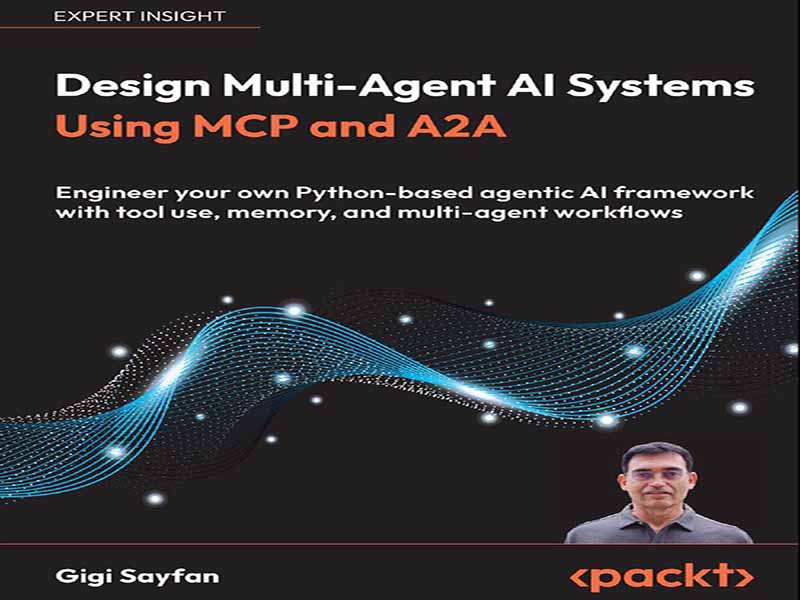
- عنوان کتاب: Build Your Own Agentic AI Framework -Design flexible multi-agent systems in Python with MCP and A2A integration
- نویسنده: Gigi Sayfan
- حوزه: عامل هوش مصنوعی
- تعداد صفحه: 536
- زبان اصلی: انگلیسی
- نوع فایل: pdf
- حجم فایل: 5.53 مگابایت
تکامل سریع مدلهای زبانی بزرگ، هوش مصنوعی را از سیستمهای ایستا و مبتنی بر فرمان به معماریهای پویا و عاملمحوری که قادر به استدلال، برنامهریزی و عمل در دنیای واقعی هستند، تغییر داده است. قدرتمندترین برنامههای هوش مصنوعی امروزی دیگر خطوط لوله تک مدلی نیستند؛ آنها سیستمهایی از عاملهای همکار هستند که از ابزارها استفاده میکنند، زمینه را مدیریت میکنند و برای حل مشکلات پیچیده با یکدیگر هماهنگ میشوند. ساخت چنین سیستمهایی مستلزم فراتر رفتن از استفاده از چارچوبهای سطحی است. این امر مستلزم درک عمیقی از نحوه عملکرد هوش مصنوعی عاملمحور است. این کتاب به جای اینکه چارچوبهای عاملمحور را به عنوان جعبههای سیاه در نظر بگیرد، رویکردی مبتنی بر عمل و عملی را در پیش میگیرد. شما با ساخت یک چارچوب چندعاملی انعطافپذیر و توسعهپذیر در پایتون از اصول اولیه، آنچه را که در پشت پرده سیستمهای عاملمحور مدرن اتفاق میافتد، بررسی خواهید کرد. مفاهیم اصلی مانند استفاده از ابزار، اجرای ایمن، مدیریت زمینه از طریق پروتکل مدل زمینه (MCP) و همکاری عامل از طریق پیامرسانی عامل به عامل (A2A) به پیادهسازیهای ملموس و الگوهای طراحی قابل استفاده مجدد تقسیم میشوند. این درک بنیادی شما را قادر میسازد تا نه تنها چارچوبهای خود را بسازید، بلکه سیستمهای عامل ساخته شده با ابزارهای موجود را نیز استدلال، سفارشیسازی و عیبیابی کنید. سیر کتاب عمداً کاربردی و پیشرونده است. شما با ساخت یک عامل سادهی استفادهکننده از ابزار شروع خواهید کرد، سپس به تدریج قابلیتهای آن را افزایش خواهید داد – اجرای امن ابزار، مدیریت پایدار و ساختاریافتهی زمینه، برنامهریزی مشارکتی و حافظه را اضافه خواهید کرد. با پیشرفت کتاب، این اجزای مجزا در سیستمهای کاملاً مستقل و چندعاملی گرد هم میآیند که قادر به هماهنگی اقدامات و حل وظایف پیچیده از طریق ارتباط ساختاریافته و زمینهی مشترک هستند. این کتاب با ارائهی گام به گام، کد پایتون حاشیهنویسی شده و بررسی عمیق گردشهای کاری عامل در دنیای واقعی، تئوری و عمل را به هم پیوند میدهد. در پایان، شما قادر خواهید بود سیستمهای هوش مصنوعی عامل خود را طراحی و پیادهسازی کنید، ابزارهای سفارشی برای عاملهای هوشمند بسازید، پروتکلهایی مانند MCP و A2A را ادغام کنید و گردشهای کاری هوش مصنوعی مشارکتی را مستقر کنید که در محیطهای دنیای واقعی به طور مؤثر استدلال، برنامهریزی و عمل میکنند. با داشتن این مهارتها، شما برای ساخت نسل بعدی برنامههای کاربردی هوش مصنوعی هوشمند و تطبیقی آماده خواهید بود. این کتاب از سه بخش تشکیل شده است: بخش اول، مبانی هوش مصنوعی عاملمحور، پایه و اساس هوش مصنوعی عاملمحور را بنا مینهد. این بخش، تکامل هوش مصنوعی مولد را دنبال میکند، تعریف میکند که یک عامل هوش مصنوعی چیست و عاملها را از چتباتها متمایز میکند. شما در مورد معماری و اجزای اصلی عامل، از جمله حلقه عامل (حس-فکر-عمل)، مدیریت حافظه و زمینه، برنامهریزی و استدلال، استفاده از ابزار و ارزیابی، اطلاعات کسب خواهید کرد. این بخش با یک بررسی عملی از یک عامل ساده متمرکز بر Kubernetes به پایان میرسد که نشان میدهد چگونه فراخوانی ابزار از ابتدا تا انتها کار میکند و چگونه یک پایگاه کد حداقلی میتواند استقلال واقعی را ارائه دهد. بخش دوم، ساخت چارچوب هوش مصنوعی عاملمحور خودتان، شما را در ساخت یک چارچوب هوش مصنوعی عاملمحور واقعی (AI-6) از پایه راهنمایی میکند. شما موتور اصلی که حلقه عامل را اجرا میکند، حافظه، جلسات، ابزارها و چندین ارائهدهنده LLM را مدیریت میکند، بررسی خواهید کرد، سپس به طراحی ابزارهای قوی و مستقل از ارائهدهنده با طرحوارهها، اعتبارسنجی و جریان اجرا خواهید پرداخت. سپس این بخش به رابطهای کاربری میپردازد و نحوه ساخت رابطهای کاربری Slack و وب را نشان میدهد که از قابلیت مشاهده، کنترل و گردشهای کاری انسان در حلقه پشتیبانی میکنند. این بخش با ادغام چارچوب با پروتکل Model Context (MCP) که امکان کشف ابزار استاندارد و قابلیت همکاری را در سراسر اکوسیستم وسیعتر فراهم میکند، به پایان میرسد. بخش 3، ساخت سیستمهای چندعاملی، شما را به سیستمهای چندعاملی در مقیاس کامل میبرد: طراحی تیمهای عامل، الگوهای ارکستراسیون، اعلانهای نقش، تعیین محدوده ابزار و استراتژیهای زمینه، و سپس پیادهسازی گردشهای کاری واقعی چندعاملی با پروتکل Agent-to-Agent (A2A). شما یک سیستم DevOps چندعاملی کاربردی (MAKDO) خواهید ساخت، یاد خواهید گرفت که چگونه شکستهای هماهنگی عامل را آزمایش و اشکالزدایی کنید و الگوهای تابآوری مانند افزونگی، تخریب دلپذیر و تشدید انسانی را اعمال کنید. سپس این بخش به استقرار در محیط تولید میرود و یک راهاندازی چندخوشهای واقعبینانه را با ارتباط امن و کشف سرویس بررسی میکند. این کتاب با مباحث پیشرفته و مسیرهای آینده، از جمله پنجرههای گسترده زمینهای، برنامهریزی بلندمدت، سیستمهای چندوجهی و پیامدهای گستردهتر عاملهای با توانایی فزاینده، به پایان میرسد.
The rapid evolution of large language models has shifted artificial intelligence from static, prompt-driven systems to dynamic, agentic architectures capable of reasoning, planning, and acting in the real world. Today’s most powerful AI applications are no longer single-model pipelines; they are systems of collaborating agents that use tools, manage context, and coordinate with one another to solve complex problems. Building such systems requires going far beyond surface-level framework usage. It demands a deep understanding of how agentic AI actually works. Rather than treating agent frameworks as black boxes, this book takes a ground-up, hands-on approach. You will explore what happens behind the curtain of modern agentic systems by building a flexible and extensible multi-agent framework in Python from first principles. Core concepts such as tool use, secure execution, context management through the Model Context Protocol (MCP), and agent collaboration via Agent-to-Agent (A2A) messaging are broken down into concrete implementations and reusable design patterns. This foundational understanding will enable you not only to build your own frameworks but also to reason about, customize, and troubleshoot agentic systems built with existing tools. The journey through the book is intentionally practical and progressive. You will begin by constructing a simple tool-using agent, then incrementally enhance its capabilities—adding secure tool execution, persistent and structured context handling, collaborative planning, and memory. As the book progresses, these individual components come together into fully autonomous, multi-agent systems capable of coordinating actions and solving complex tasks through structured communication and shared context. Complete with step-by-step walk-throughs, annotated Python code, and deep dives into realworld agent workflows, this book bridges theory and practice. By the end, you will be able to design and implement your own agentic AI systems, build custom tools for intelligent agents, integrate protocols such as MCP and A2A, and deploy collaborative AI workflows that reason, plan, and act effectively in real-world environments. Armed with these skills, you will be well prepared to build the next generation of intelligent, adaptive AI applications. The book is structured into three parts: Part 1, Foundations of Agentic AI, lays the foundation for agentic AI. It traces the evolution of generative AI, defines what an AI agent is, and distinguishes agents from chatbots. You’ll learn about core agent architecture and components, including the agent loop (sense–think–act), memory and context management, planning and reasoning, tool use, and evaluation. The part concludes with a hands-on walk-through of a simple Kubernetes-focused agent, showing how tool calling works end-to-end and how a minimal code base can deliver real autonomy. Part 2, Building Your Own Agentic AI Framework, walks you through building a real agentic AI framework (AI-6) from the ground up. You’ll explore the core engine that runs the agent loop, manages memory, sessions, tools, and multiple LLM providers, then dive into designing robust, provider-agnostic tools with schemas, validation, and execution flow. The part then shifts to user-facing interfaces, showing how to build Slack and web UIs that support visibility, control, and human-in-the-loop workflows. It closes by integrating the framework with the Model Context Protocol (MCP), enabling standardized tool discovery and interoperability across the broader ecosystem. Part 3, Constructing Multi-Agent Systems, takes you into multi-agent systems at full scale: designing agent teams, orchestration patterns, role prompts, tool scoping, and context strategies, then implementing real multi-agent workflows with the Agent-to- Agent (A2A) protocol. You’ll build a practical multi-agent DevOps system (MAKDO), learn how to test and debug agent coordination failures, and apply resilience patterns such as redundancy, graceful degradation, and human escalation. The part then moves into production deployment, walking through a realistic multi-cluster setup with secure communication and service discovery. It concludes with advanced topics and future directions, including massive context windows, long-horizon planning, multimodal systems, and the broader implications of increasingly capable agents.
این کتاب را میتوانید از لینک زیر بصورت رایگان دانلود کنید:
Download: Build Your Own Agentic AI Framework


















نظرات کاربران