














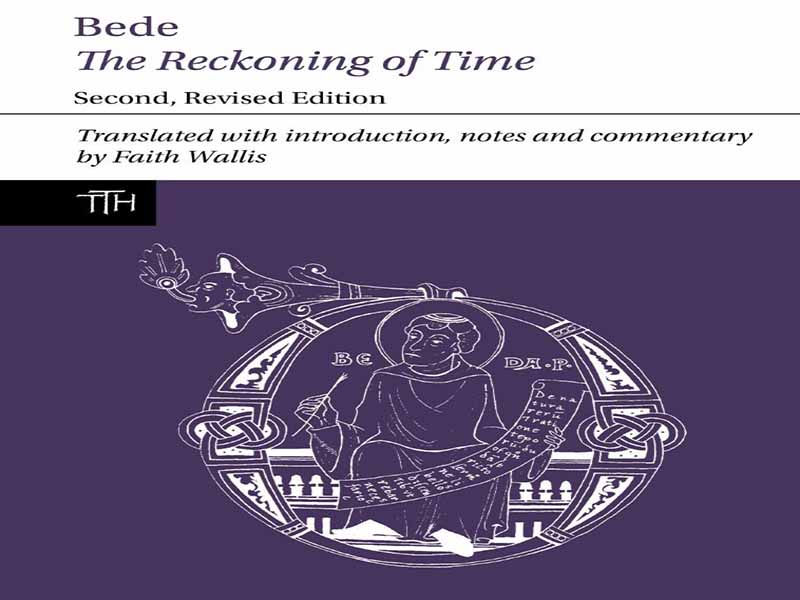
- عنوان کتاب: Bede The Reckoning of Time -Second, Revised Edition
- نویسنده: Faith Wallis
- حوزه: زمان
- سال انتشار: 2025
- تعداد صفحه: 770
- زبان اصلی: انگلیسی
- نوع فایل: pdf
- حجم فایل: 8.05 مگابایت
بید (حدود ۶۷۳-۷۳۵) در پایان کتاب «تاریخ کلیسایی مردم انگلیس»، زندگینامه کوتاهی را ضمیمه کرده است. او خود را راهبی از «سنت پیتر و سنت پاول که در ویرموث و جارو هستند» معرفی میکند که در سرزمینهای «این صومعه» متولد شده و در سن هفت سالگی به عنوان قربانی تقدیم شده است. بید که زیر نظر ابوت بندیکت بیسکوپ، بنیانگذار ویرموث و جارو، و جانشین بیسکوپ، سئولفریث، آموزش دیده بود، توسط اسقف جان هگزام به مقام شماسی و سپس کشیشی منصوب شد. این انتصاب آخرین «رویداد» در زندگی او بود. از آن پس، وجود بید، به روایت خودش، به یک وحدت مقدس تبدیل شد که نه با تغییر و شانس، بلکه با ریتمهای پایدار زمان رهبانی اداره میشد: از آن زمان به بعد، تمام عمرم را در این صومعه گذراندهام و تمام وقتم را صرف مطالعه کتاب مقدس کردهام. و در میان رعایت نظم و انضباط قانون و وظیفه روزانه آواز خواندن در گروه کر، همیشه لذت یادگیری یا تدریس یا نوشتن برای من بوده است. بید فعالیت اصلی خود را مطالعه کتاب مقدس تعریف میکند، بنابراین، وقتی نوشتههای خود را فهرست میکند، با تفسیر کتاب مقدس و نامههای جمعآوریشدهاش شروع میکند. در ادامه آنها زندگی مقدسین فلیکس، آناستازیوس و کاتبرت قرار دارند و پس از آن زندگینامههای راهبان ویرموث-جارو و تاریخ کلیسا آمده است. سپس آثار عبادی او – شهادتنامه و سرودها – و پس از آن، اشعاری با مضامین مقدس آمده است. در ادامه، کتابهایی با موضوعات سکولار دستور زبان و بلاغت آمده است: یکی در مورد املا، دیگری در مورد اوزان شعری و سومی در مورد طرحها و استعارهها. بید بین شعر و دستور زبان، «دو کتاب، یکی در مورد ماهیت اشیا و دیگری در مورد گاهشناسی (de temporibus)» را فهرست میکند: همچنین یک کتاب طولانیتر در مورد گاهشناسی (item de temporibus librum unum maior)». این جلد ترجمهای از آن «کتاب طولانیتر در مورد گاهشناسی» است که بید با لحنی شاعرانهتر آن را «کتاب کوچک خود در مورد سیر گذرا و پرتلاطم زمان» نیز مینامید. این کتاب در سال ۷۲۵ میلادی نوشته شده است که در برخی از مثالهای حلشدهای که بید برای نشان دادن فرمولها استفاده کرده است، به عنوان «سال جاری» شناخته میشود. خوانندگان قرون وسطی آن را با نامهای De temporibus (درباره زمانها) یا De temporibus liber secundus (کتاب دوم در مورد زمانها) میشناختند تا آن را از کتاب قبلی و مختصرتر بید در مورد محاسبه زمان که آن هم با عنوان De temporibus شناخته میشد، متمایز کنند. عنوان مرسوم آن در اواخر قرون وسطی و مدرن، De temporum ratione (محاسبه زمان) ظاهراً از کلمات آغازین مقدمه کتاب، De natura rerum et ratione temporum duos quondam stricto preache libellos discentibus ut rebar necessarios composui («مدتی پیش دو کتاب کوتاه به سبک خلاصه نوشتم که به نظر من برای دانشجویانم ضروری بودند؛ این کتابها مربوط به ماهیت اشیا و محاسبه زمان بودند») و همچنین کتابهای فصل ۱: De temporum ratione, domino iuuante, dicturi … («قبل از بحث در مورد محاسبه زمان…») گرفته شده است. «دو کتاب کوتاه» که بید به آنها اشاره کرد، مقدمهای بر کیهانشناسی با عنوان De natura rerum (طبیعت اشیا) و De temporibus (درباره زمانها) بودند. هر دو حدود سال ۷۰۳ میلادی نوشته شدهاند. مقدمهی «محاسبهی زمان» این کتاب جدید را نه تنها در رابطه با «دربارهی زمان» بلکه در رابطه با رسالهی همراه آن، «طبیعت اشیا»، نیز بیان میکند. بید اشاره میکند که قصد دارد این دو اثر قبلی را در «محاسبهی زمان» ترکیب کند. با این کار، او روند نگارش قبلی خود را معکوس کرد، که در آن مطالب مربوط به کیهانشناسی را از «طبیعت اشیا» ایزیدور سویل استخراج کرد تا رسالهی خود را با همین نام خلق کند، در حالی که فصلهای ایزیدور در مورد واحدهای زمان را در «دربارهی زمان» گنجاند. اما بید همیشه «طبیعت اشیا» و «دربارهی زمان» را آثاری مرتبط میدانست؛ آنها حتی یک سرلوحهی شاعرانه مشترک داشتند: «در فصلهای کوتاه، من، بید، بندهی خدا، / به طور خلاصه به طبیعتهای متنوع اشیا / و به اعصار گستردهی زمان گذرا پرداختهام …». به عبارت دیگر، بید از اوایل دوران کاری خود، یک توازی مفهومی بین طبیعت (natura) اشیا و محاسبه (نسبت) زمان را در نظر داشت؛ این جفتسازی کیهان و زمان، زیربنای چارچوب نوآورانهی او از محاسبهی زمان در «طبیعت» در کتاب «محاسبهی زمان» خواهد بود.
At the close of his Ecclesiastical History of the English People, Bede (ca. 673–735) appended a short autobiography. He identified himself as a monk of ‘St Peter and St Paul which is at Wearmouth and Jarrow’ who had been born on the lands of ‘this monastery’ and offered as an oblate at the age of seven. Educated under Abbot Benedict Biscop, the founder of Wearmouth and Jarrow, and Biscop’s successor Ceolfrith, Bede was ordained deacon and then priest by Bishop John of Hexham. That ordination was the last ‘event’ in his life. Thenceforth, Bede’s existence, by his own account, was one of sacred sameness, ruled not by change and chance but by the stable rhythms of monastic time: From then on I have spent all my life in this monastery, applying myself entirely to the study of the Scriptures; and amid the observance of the discipline of the Rule and the daily task of singing in the choir, it has always been my delight to learn or to teach or to write. Bede defines his principal activity as the study of Scripture, so, when he lists his writings, he begins with his biblical exegesis and his collected letters. In their wake are the lives of saints Felix, Anastasius, and Cuthbert, followed by the biographies of the abbots of Wearmouth-Jarrow and the Ecclesiastical History. Then comes his liturgical productions – a martyrology and hymns – and, after that, poetry on sacred themes. Bringing up the rear are books on the secular subjects of grammar and rhetoric: one on orthography, another on poetic metres, and a third on schemes and tropes. Between the poetry and the grammatica Bede lists ‘[t]wo books, one on the nature of things and the other on chronology (de temporibus): also a longer book on chronology (item de temporibus librum unum maior)’. This volume is a translation of that ‘longer book on chronology’, which in a more lyric vein Bede also called his ‘little book about the fleeting and wave-tossed course of time’. It was composed in 725, which is identified as ‘the present year’ in some of the worked examples Bede used to demonstrate formulae. Medieval readers knew it as De temporibus (On Times) or De temporibus liber secundus (The Second Book on Times), to distinguish it from Bede’s earlier, briefer treatment of time-reckoning, also entitled De temporibus. Its conventional later medieval and modern title De temporum ratione (The Reckoning of Time) is apparently derived from the opening words of the book’s preface, De natura rerum et ratione temporum duos quondam stricto sermone libellos discentibus ut rebar necessarios composui. (‘Some time ago I wrote two short books in a summary style which were, I judged, necessary for my students; these concerned the nature of things and the reckoning of time’), as well as those of chapter 1: De temporum ratione, domino iuuante, dicturi … (‘Before discussing the reckoning of time … ’). The ‘two short books’ mentioned by Bede were an introduction to cosmology entitled De natura rerum (The Nature of Things) and De temporibus (On Times); both were composed around 703. The preface of The Reckoning of Time frames this new book in relation not only to On Times but to its companion treatise, The Nature of Things. Bede intimates that he intends to combine these two earlier works into The Reckoning of Time. In so doing, he would reverse his earlier writing process, whereby he extracted the material on cosmology from Isidore of Seville’s The Nature of Things to create his own treatise of the same name, while incorporating Isidore’s chapters on the units of time into On Times. But Bede always considered The Nature of Things and On Times as conjoined works; they even shared a poetic epigraph: ‘In brief chapters, I, Bede, the servant of God, / Have lightly touched on the varied natures of things / And on the broad ages of fleeting time … ’. In other words, Bede envisioned from early in his career a conceptual parallel between the nature (natura) of things and the reckoning (ratio) of time; this pairing of cosmos and time will underpin his innovative framing of time-reckoning within ‘nature’ in The Reckoning of Time.
این کتاب را میتوانید از لینک زیر بصورت رایگان دانلود کنید:
Download: Bede The Reckoning of Time






















نظرات کاربران