











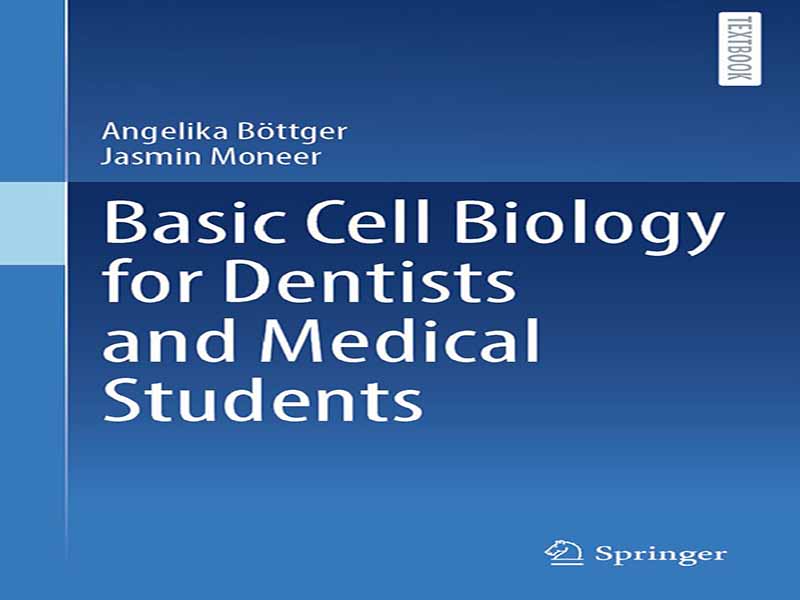
- عنوان کتاب: Basic Cell Biology for Dentists and Medical Students
- نویسنده: Angelika B ttger, Jasmin Moneer
- حوزه: زیستشناسی سلولی
- سال انتشار: 2025
- تعداد صفحه: 288
- زبان اصلی: انگلیسی
- نوع فایل: pdf
- حجم فایل: 10.7 مگابایت
این کتاب بر اساس مجموعهای از سخنرانیها است که برای دانشجویان دندانپزشکی در دانشگاه لودویگ ماکسیمیلیان مونیخ، آلمان، طی سالهای ۲۰۰۶ تا ۲۰۲۳ ارائه شده است. این کتاب به پنج فصل تقسیم شده است که با شرح اولیه سلولها و اندامکهای سلولی آغاز میشود. در فصل اول، به تاریخچه تحقیقات سلولی و توسعه روشهای سیتولوژیکی، بیوشیمیایی و ژنتیکی برای تحقیقات زیستشناسی سلولی اشاره میکنیم. فصل دوم مقدمهای بر شیمی بیولوژیکی سلولها ارائه میدهد و چهار دسته از ماکرومولکولهای سلولی: اسیدهای نوکلئیک، پروتئینها، کربوهیدراتها و لیپیدها را پوشش میدهد. فصل سوم به ماهیت غشاها، انتقال وزیکولها در سیستم ترشحی سلول و مسیرهای مرتبسازی اجزای سلولی میپردازد. علاوه بر این، ارتباط سلولها با یکدیگر و با محیط را پوشش میدهد و در نتیجه برخی از مسیرهای مهم انتقال سیگنال گیرندههای جفتشده با پروتئین G را توضیح میدهد. فصل چهارم به اسکلت سلولی اختصاص دارد که شکل و معماری سلول و همچنین تحرک آن را تضمین میکند. توجه ویژهای به انقباض عضلات شده است. علاوه بر این، مژهها و تاژکها و همچنین چسبندگی سلولی و ماتریکس خارج سلولی پوشش داده شدهاند. در اینجا، با در نظر گرفتن دانشجویان دندانپزشکی، فرآیندهای بیومینرالیزاسیون و مسیرهای تولید عاج و مینا مورد بررسی قرار میگیرند. فصل پنجم و پایانی به هموستاز سلولی در یک موجود زنده میپردازد. تقسیم سلولی، چرخه سلولی و عناصر اساسی کنترل چرخه سلولی، از جمله روشهای انتقال سیگنال برای سیگنالینگ فاکتور رشد، شرح داده شدهاند. علاوه بر این، مکانیسمهای مولکولی تنظیمکننده مرگ سلولی در سلولهای حیوانی (آپوپتوز) مورد بحث قرار گرفتهاند. این فصل با شرح مختصری از ویروسها و نحوه استفاده آنها از ماشین سلولی برای تکثیرشان به پایان میرسد. در سراسر این کتاب، به تاریخچه تحقیقات سلولی توجه شده است تا دانشجویان مسیر طولانی و ناهموار به سوی دانش فعلی ما در مورد ماهیت بیوشیمیایی معماری و عملکرد سلولها را ببینند. سلولها کوچک هستند؛ مولکولها حتی کوچکتر. آنها از ادراک حسی بدون کمک ما مستثنی هستند. آگاهی از این واقعیت ضروری است که تمام بینشها در مورد فرآیندهای سلولی توصیف شده کاملاً به روشهای توسعه یافته برای تحقیق در مورد آنها وابسته است. این روشها شامل تکنیکهای میکروسکوپی، بلکه رویکردهای بیوشیمیایی و ژنتیکی نیز میشود. بنابراین، تمام دانش جمعآوریشده تاکنون آشکارا محدود است. این نکته را باید همیشه هنگام توسعه رویکردهای جدید برای درمانهای پزشکی بیماریها در نظر داشت. با توجه به کاربرد اخیر تکنیکهای تداخل ژنتیکی برای واکسیناسیون انسانها، برای متخصصان پزشکی و دانشجویان بسیار مهم است که بدانند این تکنیکهای مهندسی ژنتیک چگونه کار میکنند، دانش ما واقعاً تا کجا پیش میرود و چه خطراتی ممکن است از چنین کاربردهایی ناشی شود. در این کتاب، مروری بر مهمترین جنبههای حیات سلولی برای دانشجویان در ترمهای اولیه ارائه شده است. برای جزئیات بیشتر، کتابهای درسی عالی موجود است. باید به کتابهایی که بیشترین سهم را در تهیه سخنرانیها و گردآوری این کتاب داشتهاند، اشاره شود. اینها نسخههای متوالی از: «زیستشناسی مولکولی سلول» نوشته آلبرتز، هیلد، جانسون، مورگان، راف، رابرتز و والتر (W.W. Norton & Company، نیویورک) و «زیستشناسی سلولی مولکولی» نوشته لودیش، برک، کایزر، کریگر و برتشر (Freeman & Company) هستند. علاوه بر این، این کتاب با تجربیات طولانی و بسیار گسترده خودمان در تحقیقات سلولی مولکولی تجربی شکل گرفته است. علاوه بر این، ما همکاران و دوستان زیادی داریم که با اهدای تصاویر تحقیقات تجربی خود برای تصاویر ما، از این کار حمایت کردند. ما در شکلهای جداگانه به آنها اشاره کردهایم و میخواهیم از سخاوت آنها نهایت تشکر را داشته باشیم. در پایان، امیدواریم که در میان سطور این کتاب، خواننده بتواند فضای بازی را که در آن چیزهایی زندگی میکنند که ما نمیدانیم، ببیند. بدون شک، زیستشناسی سلولی دانش زیادی را برای توسعه درمانهای پزشکی به ارمغان آورده است. با این حال، اغلب به نظر میرسد که در نتیجه، افکار علمی و عمومی بدن ما را صرفاً به عنوان ماشینهای مولکولی در نظر میگیرند. بیماری را میتوان تنها با چرخاندن یک دکمه در اینجا و قرار دادن یک پیچ در آنجا برطرف کرد. حتی تداخل ژنتیکی به عنوان دستگیرهای برای تضمین سلامت انسان در نظر گرفته میشود. این یک تصور غلط است. نیروهایی که مسیرهای مولکولی موجودات زنده را اداره میکنند هنوز از ما پنهان هستند. سوالاتی مانند “زندگی چیست؟” یا “تفاوت بین انسان و حیوانات چیست” تنها بر اساس دانش زیستشناسان، شیمیدانان و فیزیکدانان قابل پاسخگویی نیستند. برای روشن شدن موضوع، علوم طبیعی و علوم انسانی باید به طور مشترک در جستجوی خرد باشند. به همین ترتیب، پزشکان نیز هنگام درمان بیماران خود باید فراتر از مولکولها، سلولها و داروهای تجویز شده نگاه کنند. همکار ما آلفرد گیرر در مقالهای که در سال ۲۰۰۲ نوشت، محدودیتهای دانش ما را به زیبایی بیان کرد. ما از اجازه او برای استفاده از سخنانش بسیار سپاسگزاریم.
This book is based on a lecture series delivered to students of dentistry at the Ludwig-Maximilians-University Munich, Germany, during the years 2006–2023. It is divided into five chapters, beginning with a basic description of cells and cell organelles. In this first chapter, we refer to the history of cell research and to the development of cytological, biochemical, and genetic methods for cell biological research. The second chapter provides an introduction into the biological chemistry of cells, covering the four classes of cellular macromolecules: nucleic acids, proteins, carbohydrates, and lipids. The third chapter deals with the nature of membranes, vesicle transport within the secretory system of the cell and sorting pathways for cellular components. Moreover, it covers communication of cells with each other and with the environment, thereby explaining some important signal transduction pathways of G-protein-coupled receptors. The fourth chapter is dedicated to the cytoskeleton, which ensures the shape and architecture of the cell and also its mobility. Special attention is paid to muscle contraction. Moreover, cilia and flagella as well as cell adhesion and the extracellular matrix are covered. Here, with dentistry students in mind, the processes of biomineralization and the pathways for producing dentin and enamel are considered. The fifth and final chapter deals with cellular homeostasis within an organism. Cell division, the cell cycle, and the basic elements of cell cycle control, including ways of signal transduction for growth factor signaling are described. Moreover, molecular mechanisms regulating cell death in animal cells (apoptosis) are discussed. The chapter ends with a brief description of viruses and how they use the cellular machinery for their replication. Throughout this book, attention is paid to the history of cell research in order for students to see the long and stony road towards our current wisdom about the biochemical nature of the architecture and functionality of cells. Cells are small; molecules are even smaller. They are excluded from our unaided sensual perception. An awareness is needed for the fact that all insights into the described cellular processes are entirely dependent on the methods developed for researching them. These include microscopical techniques, but also biochemical and genetic approaches. Thus, all knowledge gathered so far is obviously limited. This should always be kept in mind when developing new approaches for medical treatments of disease. In light of the recent application of genetically interfering techniques for vaccinating humans, it is extremely important for medical professionals and students to understand how these techniques of genetic engineering work, how far our knowledge really goes, and what dangers may therefore result from such applications. In this book, an overview of the most important aspects of cellular life is given for students in early semesters. For further details, there are excellent textbooks available. The books that have contributed most to preparing lectures and to assembling this book should be pointed out. These are consecutive editions of: “Molecular Biology of the Cell” by Alberts, Heald, Johnson, Morgan, Raff, Roberts, and Walter (W.W. Norton & Company, New York) and “Molecular Cell Biology” by Lodish, Berk, Kaiser, Krieger, and Bretscher (Freeman & Company). In addition, this book was shaped by our own long-standing and very broad experiences in experimental molecular cell research. Moreover, we have many colleagues and friends who supported this work by donating images of their own experimental research for our illustrations. We have mentioned them in the individual figures and want to express our greatest gratitude for their generosity. At the end, our hope should be expressed that between the lines of this book, the reader can see the open space where things live, that we do not know. Doubtlessly, cell biology has contributed a lot of knowledge for developing medical treatments. However, it often seems that, in consequence, scientiic and public opinion consider our bodies as mere molecular machines. Disease can then be fixed just by turning a knob here and inserting a screw there. Even genetic interference is considered a handle for ensuring human health. This is a misconception. The forces that run the molecular pathways of living beings are still hidden from us. Questions like “what is life?” or “what is the difference between humans and animals” are not answerable only on the basis of the knowledge of biologists, chemists, and physicists. For elucidation, natural sciences and the humanities should jointly search for wisdom. Similarly, medical doctors should look far beyond molecules, cells, and prescribed drugs when treating their patients. Our colleague Alfred Gierer expressed the limits of our knowledge beautifully in an article he wrote in 2002. We are very grateful for his permission to use his words as a motto for this book.
این کتاب را میتوانید از لینک زیر بصورت رایگان دانلود کنید:
Download: Basic Cell Biology for Dentists and Medical Students


















نظرات کاربران