











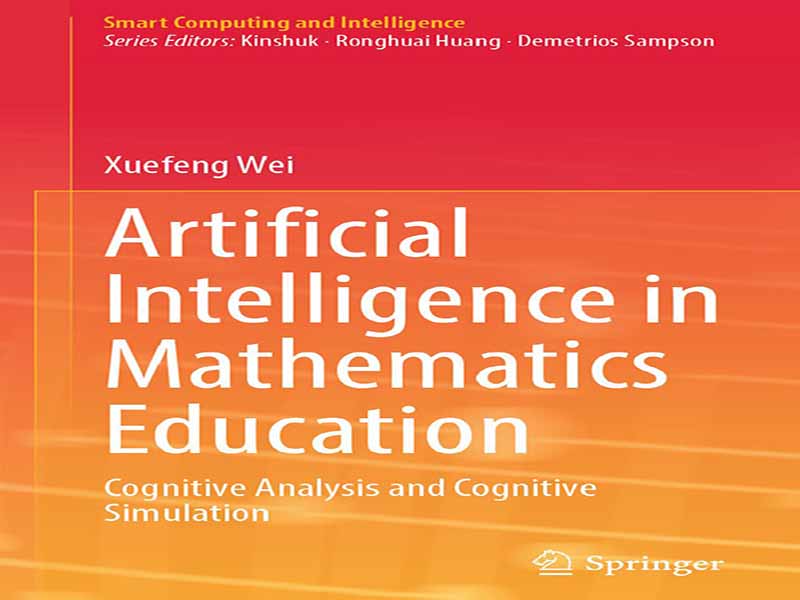
- عنوان کتاب: Artificial Intelligence in Mathematics Education – Cognitive Analysis and Cognitive Simulation
- نویسنده: Xuefeng Wei
- حوزه: کاربرد هوش مصنوعی در آموزش
- سال انتشار: 2026
- تعداد صفحه: 282
- زبان اصلی: انگلیسی
- نوع فایل: pdf
- حجم فایل: 4.57 مگابایت
ریاضیات بخش مهمی از فرهنگ بشری است. با رشد سریع اطلاعات و دیجیتالی شدن در سراسر جهان، سواد ریاضی برای هر شهروند به طور فزایندهای اهمیت یافته و یک شایستگی اساسی است که هر شهروند باید در جامعه مدرن داشته باشد. توانایی حل مسئله ریاضی بخش مهمی از سواد ریاضی است. آموزش ریاضی در سراسر جهان در چند دهه گذشته توجه زیادی به توانایی حل مسئله دانشآموزان داشته است. در دهه 1980، سند برنامهای ایالات متحده برای آموزش ریاضیات مدرسه، “دستور کار برای اقدام”، به صراحت بیان کرد که “برنامه درسی ریاضیات باید حول حل مسئله ساخته شود”. در سپتامبر 2011، دولت اوباما قانون آموزش ابتدایی و متوسطه (ESEA) را که بر بهبود یادگیری دانشآموزان و مهارتهای حل مسئله تمرکز دارد، مجدداً تصویب کرد (وزارت آموزش ایالات متحده، 1965). آموزش ریاضیات ژاپن نیز اهمیت زیادی به “حل مسئله” داده است. در سال 1994، آموزش ریاضیات ژاپن شروع به اجرای برنامه درسی جدید ریاضیات به صورت همه جانبه کرد و “تدریس با موضوع” را به برنامه درسی اضافه کرد. فرآیند «تدریس با موضوع» مبتنی بر ویژگیهای «حل مسئله» در کلاسهای ریاضی است (ژانگ و تانگ، ۲۰۰۵). گزارش معروف کاکرافت (۱۹۸۲) تأکید کرد: «حل مسئله باید به عنوان بخش مهمی از نظریه برنامه درسی در نظر گرفته شود.» در چین، طبق استانداردهای برنامه درسی ریاضی آموزش اجباری (نسخه ۲۰۱۱)، «دورههای ریاضی باید همه را قادر سازد تا آموزش ریاضی خوبی دریافت کنند و توانایی هر دانشآموز را با فرض پذیرش تفاوتهای فردی بین دانشآموزان، بیشتر بهبود بخشند. ظرفیت دانشآموزان برای کشف و پرسیدن سوال، پایه و اساس نوآوری است (وزارت آموزش جمهوری خلق چین، ۲۰۱۲).» علاوه بر این، نسخه ۲۰۲۲ (وزارت آموزش جمهوری خلق چین، ۲۰۲۲) تأکید میکند که برنامه درسی ریاضی آموزش اجباری باید دانشآموزان را قادر سازد تا از طریق مطالعه ریاضیات، شایستگیهای کلیدی مورد نیاز برای توسعه اجتماعی و شخصی را توسعه دهند. پرورش توانایی دانشآموزان برای حل مسئله، یک کارکرد آموزشی ضروری تفکر ریاضی است. بهبود مهارتهای حل مسئله در دانشآموزان، راهی مؤثر برای کاهش بار تحصیلی آنهاست. طراحی مناسب سؤالات ریاضی و راهبردهای عملی حل مسئله میتواند از فرآیندهای تفکر دانشآموزان و توسعه دانش برای افزایش درک مفهومی آنها پشتیبانی کند. انعطافپذیری در تفکر و کاربرد ریاضی، هدف نهایی حل مسئله است.
Mathematics is an important part of human culture. With the rapid growth of information and digitization around the world, mathematical literacy has become increasingly important to every citizen and an essential competency that every citizen should possess in modern society. Mathematical problem-solving ability is an important part of mathematical literacy. Mathematics education worldwide has given much attention to student problem-solving ability in the past few decades. In the 1980s, the U.S. programmatic document for school mathematics education, An Agenda for Action, explicitly stated that “the mathematics curriculum should be built around problem solving.” In September 2011, the Obama administration reauthorized the Elementary and Secondary Education Act (ESEA), which focuses on improving student learning and problem-solving skills (U.S. Department of Education, 1965). Japanese mathematics education has also attached great importance to “problem solving.” In 1994, Japanese mathematics education started to implement the new mathematics curriculum in an all-round way and added “teaching with the subject” to the syllabus. The process of “teaching with the subject” is based on the characteristics of “solving problems” in math classes (Zhang & Tang, 2005). The well-known Cockcroft Report (1982) emphasized, “Problem solving should be regarded as an important part of curriculum theory.” In China, according to The Compulsory Education Mathematics Curriculum Standards (2011 edition), “mathematics courses should enable everyone to receive a good math education and to improve every student’s ability further on the premise of admitting the individual differences between students. Students’ capacity to discover and ask questions is the foundation of innovation (Ministry of Education of the People’s Republic of China, 2012).” In addition, the 2022 edition (Ministry of Education of the People’s Republic of China, 2022) highlights that the compulsory education mathematics curriculum should enable students to develop the key competences needed for social and personal development through the study of mathematics. The cultivation of students’ ability to solve problems is an essential educational function of mathematical thinking. Improving students’ problem-solving skills is an effective way to reduce their academic burden. The appropriate design of mathematics questions and practical problem-solving strategies can support student thinking processes and knowledge development to enhance their conceptual understanding. Flexibility in mathematical thinking and application is the ultimate goal of problem solving.
این کتاب را میتوانید از لینک زیر بصورت رایگان دانلود کنید:





















نظرات کاربران