











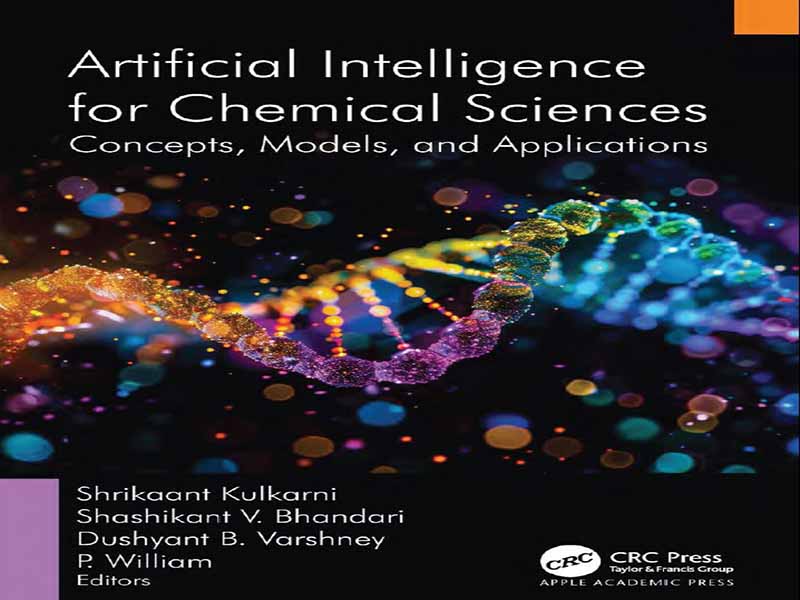
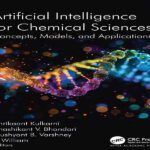
- عنوان کتاب: Artificial Intelligence for Chemical Sciences Concepts, Models, and Applications
- نویسنده: Shrikaant Kulkarni
- حوزه: کاربرد هوش مصنوعی در شیمی
- سال انتشار: 2025
- تعداد صفحه: 407
- زبان اصلی: انگلیسی
- نوع فایل: pdf
- حجم فایل: 4.05 مگابایت
این روزها کامپیوترها در حال فکر کردن و یادگیری هستند و ما باید از آنها به نفع خود برای دستیابی به تلاشهای علمی استفاده کنیم. محققان از کامپیوترها برای تسهیل طراحی سنتز شیمیایی به عنوان اولین ابتکارات تحقیقاتی با کمک هوش مصنوعی (AI) استفاده کردهاند و نتایج تحقیقات آنها در توسعه نرمافزارهای مبتنی بر شیمی در مرحله بعدی نقش مهمی داشته است.
ابزارهای علمی روز به روز پیشرفتهتر و پیچیدهتر میشوند. هوش مصنوعی (AI) راه خود را به آزمایشگاه باز کرده است، جایی که نقش کلیدی در تمرین علم دارد. تکنیکهای قدرتمند مختلفی که تفکر و استدلال انسان را تقلید میکنند، در حوزه هوش مصنوعی قرار میگیرند و آن را به یکی از جذابترین و هیجانانگیزترین علوم تبدیل میکنند. با این حال، چالشهای بسیاری نیز در این راه وجود دارد، مانند ماهیت پیچیده و حلناپذیر مشکلات و محدودیتهای استفاده از روشهای مرسوم به عنوان راهحل. از سوی دیگر، برخلاف روشهای مرسوم، روشهای هوش مصنوعی میتوانند دقیقتر باشند اگر الگوریتمهای یادگیری ماشین با مجموعه دادههای قابل اعتمادی که توزیع آماری گستردهای دارند، برای حل مسائلی که در غیر این صورت حل دقیق آنها دشوار است، آموزش ببینند.
چنین تکنیکهای هوشمند نوآورانهای، افق دانشمندان قدرت را نه تنها در امور روزمره، بلکه مهمتر از آن برای تدوین نظریهها و درک علمی گسترش دادهاند. این کتاب کاربرد ریاضی و غیر ریاضی هوش مصنوعی را در علوم شیمی ارائه میدهد.
شیمیدانان به طور فزایندهای از هوش مصنوعی (AI) برای کاربردهای متنوع مانند طراحی مولکول، رتروسنتز، پیشبینی نتیجه واکنش و همچنین کشف دارو استفاده میکنند. از نظر تاریخی، کاربرد هوش مصنوعی در شیمی در درجه اول بر تسریع کشف دارو و به حداقل رساندن هزینههای هنگفت تولید و بازه زمانی کشف تا بازار متمرکز بوده است. هوش مصنوعی تاکنون در تسریع کشف دارو و در زمینه تحقیق و توسعه کمک شایانی کرده است. با این حال، استفاده از هوش مصنوعی در شیمی فقط به توسعه دارو محدود نمیشود، بلکه میتواند به شیمیدانان در پیگیری سریع و خلاقانه تحقیقاتشان نیز کمک کند.
این کتاب جنبههای مختلفی مانند طراحی و شناسایی مولکولهای مناسب به عنوان پیشسازها، دنبال کردن و پیشبینی سینتیک و ترمودینامیک واکنشها، پیشبینی بازده یا اقتصاد اتمی، افزایش بازیابی یا کارایی فرآیند، بهینهسازی شرایط فرآیند، شناسایی مسیرهای مناسب، طراحی مسیرهای جدید و غیره را پوشش میدهد و درک مفهومی از موضوع هوش شیمیایی را ارائه میدهد.
مباحث مطرحشده در حوزه هوش شیمیایی عبارتند از: استفاده از استدلال، طراحی مسیرها یا مسیرها، برنامهریزی سنتز شیمیایی با رایانه، نمایش ساختارهای مولکولی، جستجوی ساختار، زیرساختار و روساختار، پیشبینی آروماتیک بودن و استریوشیمی، سمیت، متابولیسم، زیستتخریبپذیری، کاربرد سیستمهای خبره مبتنی بر دانش برای پیشبینی در شیمی، کاربرد هوش مصنوعی در تشخیص خطا در کارخانههای فرآیندی، کنترل فرآیند پیشرفته، طراحی کاتالیزورها و راکتورهای کاتالیزوری، پیشبینی خواص فیزیکی و هیدرودینامیک راکتورهای چند فازی. استفاده از مدلسازی محاسباتی به عنوان یک مزیت در پرداختن به مشکلات و تجزیه و تحلیل پیشبینیکننده سمیت، زیستتخریبپذیری، سینتیک واکنش و غیره نشان داده شده است که راه را برای تحقیقات بیشتر در حوزه هوش شیمیایی هموار میکند.
این کتاب به سه بخش تقسیم شده است. بخش اول به هوش مصنوعی در علوم شیمیایی برای طراحی مسیرها، ابزارها و تکنیکهای مصنوعی اختصاص داده شده است و شامل چهار فصل است. فصل 1 کاربردهای کلی هوش مصنوعی در علوم شیمیایی و چند مطالعه موردی نمونه را به طور خلاصه مورد بحث قرار میدهد. فصل ۲ به بررسی نقش تکنیکهای کامپیوتری در طراحی و سنتز داروها میپردازد. فصل ۳ به استفاده از تکنیکها و ابزارهای محاسباتی در برنامهریزی برای سنتز آلی میپردازد، در حالی که فصل ۴ به کاربرد فناوریهای مبتنی بر هوش مصنوعی در ثبت اختراع در علوم شیمیایی و دارویی میپردازد.
بخش دوم، کاربرد ابزارهای محاسباتی، هوش مصنوعی و یادگیری ماشینی را برای پیشبینی سمیت و تجزیه زیستی نشان میدهد. این بخش شامل هفت فصل است. فصل ۵ مروری بر کاربرد ابزارهای یادگیری ماشینی برای پیشبینی سمیت ارائه میدهد. فصل ۶ نحوه استفاده از الگوریتمهای یادگیری ماشینی در پیشبینی سمیت مواد شیمیایی را ارائه میدهد. فصل ۷ استفاده از هوش مصنوعی در پیشبینی متابولیسم دارو را بررسی میکند. فصل ۸ به بررسی طیف وسیعی از رویکردهای محاسباتی در پیشبینی سمیت میپردازد. فصل ۹ به بررسی پیمایش مدلهای مبتنی بر هوش مصنوعی و یادگیری ماشینی در پیشبینی سمیت از قبل میپردازد. فصل ۱۰ نقش مدلهای مبتنی بر هوش مصنوعی در پیشبینی تجزیه زیستی مواد را بررسی میکند. فصل ۱۱ به کاربرد تکنیکهای محاسباتی در پیشبینی تجزیه زیستی میپردازد. بخش سوم به کاربرد سیستمهای خبره و هوش مصنوعی در کاربردهایی مانند تشخیص خطا، ساختاردهی، … اختصاص دارد.
Computers are thinking and learning these days, and we need to use them to our advantage for achieving scientific endeavors. Research scholars have used computers to facilitate chemical synthesis design as the earliest research initiatives with the help of artificial intelligence (AI), and the outcomes of their research were instrumental in the development of chemical-based software in the later stage.
Scientific tools are getting more and more advanced and sophisticated. Artificial intelligence (AI) has made its way into the laboratory, where it holds a key role in practicing science. Various powerful techniques that mimic human thought and reasoning fall within the purview of artificial intelligence, making it one of the most fascinating and exciting sciences. However, many challenges are in the way as well, such as the complex and intractable nature of problems and the limitations of using conventional methods as solutions. On the other hand, unlike conventional methods, artificial intelligence methods can be more accurate if machine learning algorithms are trained with reliable datasets having broad statistical distribution to solve problems that are otherwise difficult to solve accurately.
Such innovative intelligent techniques have broadened the horizons of power scientists not only in daily routine but more importantly for laying down scientific theories and understanding. This book provides a mathematical and non-mathematical application of Artificial Intelligence in chemical sciences.
Chemists are increasingly using artificial intelligence (AI) for diversified applications viz. molecule design, retrosynthesis, reaction outcome prediction, as well as drug discovery. Historically, the application of AI in chemistry has been primarily focused on accelerating drug discovery and minimizing the enormous production cost and discovery-to-market time frame. AI has made assisted tremendously in accelerating drug discovery and in the field of R&D thus far. However, the use of AI in chemistry is not confined to just drug development but it can also help chemists in pursuing their research expeditiously and creatively.
This book covers a host of aspects like design and identification of the right molecules as precursors, following and predicting kinetics and thermodynamics of reactions, predicting yield or atom economy, enhancing recovery or process efficiency, optimizing process conditions, identifying right pathways, designing new pathways, etc., providing a conceptual understanding of the subject of chemintelligence.
The topics embodied within the scope of chemintelligence include: use of reasoning, designing pathways or routes, planning chemical synthesis with computers, representation of molecular structures, searching structure, substructure, and superstructure, predicting aromaticity and stereochemistry, toxicity, metabolism, biodegradability, application of knowledge-based expert systems for prediction in chemistry, application of AI in fault detection in process plants, advanced process control, design of catalysts and catalytic reactors, predicting physical properties and hydrodynamics of multi-phase reactors. The use of computational modeling is demonstrated as an advantage in addressing the problems and predictive analysis of toxicity, biodegradability, reaction kinetics, etc. paving the way for furthering research in the area of chemintelligence.
This book is divided into three parts. Part I is devoted to AI in chemical sciences for designing synthetic pathways, tools, and techniques and contains four chapters. Chapter 1 discusses the general applications of AI in chemical sciences and a few representative case studies in brief. Chapter 2 deliberates on the role of computer-aided techniques in designing and synthesizing drugs. Chapter 3 elaborates on the use of computational techniques and tools in planning for organic synthesis while Chapter 4 gives an account of the application of artificial intelligence-based technologies in patent filing in chemical and pharmaceutical sciences.
Part II demonstrates the application of computational tools, AI, and ML for predicting toxicity and biodegradation. It contains seven chapters. Chapter 5 provides an overview of the application of machine learning tools for toxicity prediction. Chapter 6 presents the way machine learning algorithms are used in predicting the toxicity of chemicals. Chapter 7 examines the use of AI in predicting drug metabolism. Chapter 8 elicits the exploration of a range of computational approaches in the prediction of toxicity. Chapter 9 sheds light on the navigation of AI and ML-based models in forecasting toxicity beforehand. Chapter 10 examines the role of AI-based models in predicting biodegradation of materials. Chapter 11 throws light on the application of computational techniques in the prediction of biodegradation.
Part III is dedicated to the application of expert systems and AI in applications such as fault diagnosis, structure representation, and determination of physical properties of materials. It has four topics. Chapter 12 sheds light on the potential knowledge-based expert systems hold in predicting various properties of materials used in chemistry in particular. Chapter 13 dwells upon the application of AI in diagnosing and analyzing faults observed in chemical plants. Chapter 14 takes an overview of various structure representation techniques and their applications in the cheminformatics domain while the concluding Chapter 15 unravels the adoption of artificial intelligence and machine learning in order to predict physical properties of chemistry, particularly in chemistry and drug discovery-related applications.
The book will be valuable to academicians, researchers, and students in enriching their knowledge base and furthering their research initiatives.
این کتاب را میتوانید از لینک زیر بصورت رایگان دانلود کنید:
Download: Artificial Intelligence for Chemical Sciences Concepts, Models, and Applications

















نظرات کاربران