













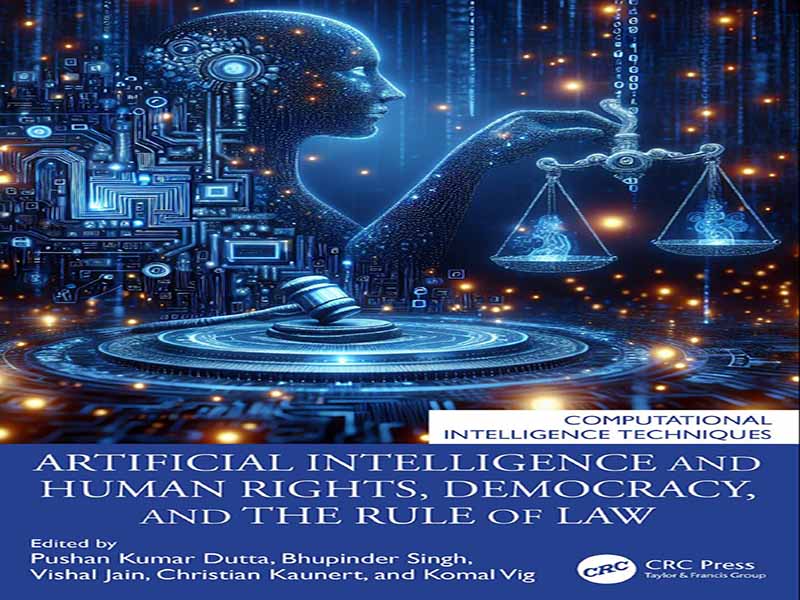
- عنوان کتاب: Artificial Intelligence And Human Rights, Democracy, And The Rule Of Law
- نویسنده: Pushan Kumar Dutta, Bhupinder Singh
- حوزه: کاربرد هوش مصنوعی در حقوق
- سال انتشار: 2026
- تعداد صفحه: 657
- زبان اصلی: انگلیسی
- نوع فایل: pdf
- حجم فایل: 11.9 مگابایت
جهان قرن بیست و یکم، فرصتها و چالشهای بیسابقهای را در یک تقاطع منحصر به فرد – پیوند حقوق بشر، دموکراسی، حاکمیت قانون و هوش محاسباتی – به ما ارائه میدهد. این مقدمه، پیامدهای عمیق و امکانات انقلابیِ گنجاندن هوش محاسباتیِ پیشرو در مبانیای که تمدن بشری را مدتها پیش بنا نهاده است، شرح میدهد. عدالت، برابری و آزادی بر پایه حقوق بشر، دموکراسی و حاکمیت قانون بنا شدهاند. با ورود به عصر تغییرات سریع فناوری، تکامل هوش محاسباتی نیاز به بررسی مجدد دارد. تمرکز بر گامهای برداشته شده توسط حاکمیت ملی به افزایش دامنه حمایت از حقوق بشر کمک خواهد کرد: در این حوزه، هوش محاسباتی (به عنوان مثال، هوش مصنوعی، هوش مصنوعی) میتواند به همان اندازه که کاربردهای بالقوهاش را از نظر افزایش نظارت و بررسی دقیق تحت تأثیر قرار میدهد، از طریق گسترش دسترسی به اطلاعات و در عین حال اطمینان از اینکه ماشینها تحت مفاهیم خاصی که تحت قانون تقسیمبندی شدهاند، عمل نمیکنند، تأثیر داشته باشد. این ورود هوش مصنوعی و یادگیری ماشینی (ML) به سیستمهای حکومتی و همچنین سیستمهای حقوقی، علاوه بر مسائل حقوقی، برخی مسائل اخلاقی را نیز مطرح میکند. همزمان با اینکه الگوریتمها و سیستمهای خودکار شروع به شکلدهی به تصمیماتی میکنند که تاکنون قلمرو اختیار انسان بودهاند، مشکلات ذاتی در مورد حریم خصوصی، پاسخگویی و شفافیت پدیدار میشوند. این سوگیریهای موجود در سیستمهای هوش مصنوعی، اجرای عادلانه قوانین و حفظ حقوق فردی را تهدید میکنند. با وجود این، امکان کمک به حقوق بشر و دموکراسی برای توسعه یا تبدیل دموکراسیها به دولتهای مبتنی بر قانون ممکن است آنقدر زیاد باشد که برای داشتن فرصتی عادلانه برای همه آنها، به روشهای پیچیدهتری نیاز داریم! تجزیه و تحلیلهای مبتنی بر هوش مصنوعی میتوانند برای آشکار کردن نقض حقوق بشر، نظارت بر روند انتخابات برای تضمین نتایج منصفانه و کمک به سادهسازی فرآیندهای قضایی و افزایش کارایی و دسترسی آنها استفاده شوند. علاوه بر این، دموکراتیزه کردن دسترسی به اطلاعات از طریق پلتفرمهای دیجیتال میتواند به شهروندان مشارکت قضایی و شفافیت بدهد. هدف این کتاب معرفی یک مطالعه کیفی گسترده است که این مضامین را مورد بررسی قرار میدهد و از رویکردی محترمانه به حقوق بشر در قبال هوش محاسباتی (CI) حمایت میکند. همچنان که ما در این دوران تحول به پیمایش ادامه میدهیم، بسیار حیاتی است که ساختارهای قوی و محافظتی بسازیم تا فناوری به ابزاری برای خیر تبدیل شود، ابزاری که در دستان همه با عدالت و فرصتهای برابر تجهیز شده باشد، نه اینکه بیعدالتی، تفرقه یا ظلم را تداوم بخشد.
The 21st century world presents us with unprecedented opportunities and challenges at a unique intersection—the nexus of human rights, democracy, rule of law, and computational intelligence. This preface elaborates the deep repercussions and revolutionary possibilities of embedding frontier computational intelligence into the fundamentals that set up for human civilization yet long ago Justice, equality, and freedom are built on the foundation of human rights, democracy, and the rule of law. As we move into an age of lightning-fast technological change, the baking in of computational intelligence requires a re-examination. Focusing on steps taken by national sovereign will help to amplify the advocacy reach of human rights: In this area, computational intelligence (e.g., artificial intelligence, AI) can have an impact as much for its potential applications in terms of enhancing surveillance and scrutiny but also reinforcing into guard points; through expanding access information while same time ensuring that machines do not act under certain setting concepts which are divided upon under rule law. This introduction of AI and machine learning (ML) into governance as well as legal systems throws up some ethical in addition to legal issues. As algorithms and automated systems start to shape decisions that have been the realm of human discretion, inherent problems with privacy, accountability, and transparency come into play. These biases that are found in AI systems threaten the equitable application of laws and safeguarding individual rights. Despite this, the possibilities of helping human rights and democracy to develop or turning democracies into states based on law may be so big that we need increasingly sophisticated methods for them all to have a fair chance! AI-driven analytics can be used to reveal human rights abuses, watch over the electoral process to ensure fair outcomes, and help streamline judicial processes, making them more efficient and accessible. In addition, the democratization of access to information through digital platforms can give citizens jurisdictional participation and transparency. The purpose of this book is to introduce an extended qualitative study that interrogates these themes, advocating for a human rights-respecting approach towards Computational Intelligence (CI). As we continue to navigate this era of transformation, it is vital that we build strong and protective structures so that technology becomes a tool for good, equipped in the hands of everyone with justice and equal opportunity rather than perpetuating injustice, division, or oppression.
این کتاب را میتوانید از لینک زیر بصورت رایگان دانلود کنید:
Download: Artificial Intelligence And Human Rights, Democracy, And The Rule Of Law





















نظرات کاربران