













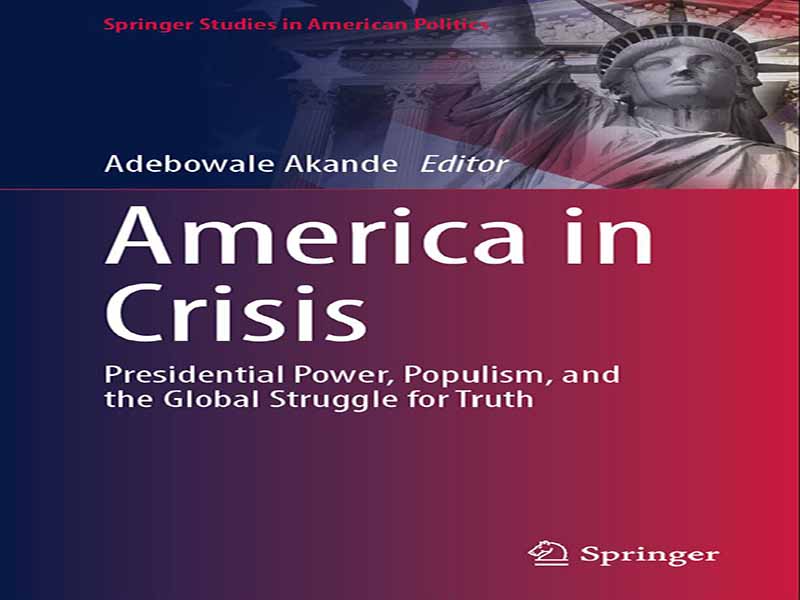
- عنوان کتاب: America in Crisis Presidential Power, Populism, and the Global Struggle for Truth
- نویسنده: Adebowale Akande
- حوزه: برنامهنویسی CPP
- تعداد صفحه: 786
- زبان اصلی: انگلیسی
- نوع فایل: pdf
- حجم فایل: 7.54 مگابایت
آریموره برای نسلها، پادشاهیای با قدرت، رفاه و سلسله مراتب سفت و سخت بود که بر پایه قرنها سنت بنا شده بود و توسط حاکمانی اداره میشد که تعادل ظریف اقتدار را درک میکردند. شاه آلدریک، آخرین نفر از سلسله طولانی فرمانروایان، با اطمینان مردی حکومت میکرد که معتقد بود رهبریاش از جانب خدا مقدر شده است. اما تاریخ مدتها در مورد رهبرانی که سلطه را با سرنوشت اشتباه میگرفتند، هشدار داده بود. آلدریک، مانند اوکونکوو آچهبه، شاهد تغییر در امپراتوری خود بود. تأثیرات خارجی، آداب و رسوم آریموران را مختل کرد، توافقنامههای تجاری متزلزل شد و زمزمههای شورش در هوا پیچید. شورا که زمانی وفادار بود، دچار تردید شد و تصمیمات او و امتناعش از انطباق را زیر سوال برد. پایههای بوروکراتیک امپراتوری، دقیقاً مانند بزرگان اومویا، حتی با تغییر دنیای اطرافشان، به آموزههای قدیمی پایبند بودند. اما آلدریک مقاومت کرد و معتقد بود که تنها سنت، حکومت او را تضمین میکند. وقتی استان اول استقلال خود را اعلام کرد، آلدریک با زور پاسخ داد. وقتی استان دوم از فرمان او سرپیچی کرد، او سلطه خود را محکمتر کرد. وقتی وزرایش دیپلماسی را پیشنهاد کردند، او آنها را به عنوان افراد ضعیف رد کرد. نیاز او به کنترل مطلق، او را نسبت به تغییرات سیاسی که نمیتوانست جلوی آنها را بگیرد، کور کرد. شکافها عمیقتر شدند و مانند یک بیماری غیرقابل توقف در سراسر امپراتوری او گسترش یافتند. همه چیز در حال فروپاشی بود، اما آلدریک از دیدن آن امتناع ورزید. سپس کائلوم، رهبر یک پادشاهی رقیب، از راه رسید که در سقوط آریمورا فرصتی دید. او با سلاح حمله نکرد، بلکه با ایدهها حمله کرد. او توافقنامههای تجاری را معرفی کرد که امپراتوری آلدریک را مستثنی میکرد، پیامهای اتحاد را در میان ناراضیان پخش کرد و استانهای کلیدی را متقاعد کرد که علیه حاکم خود قیام کنند. زمانی که آلدریک دشمن واقعی را دید، دیگر خیلی دیر شده بود. در حالی که خشم در پایتختش شعلهور بود، او تنها ایستاد و ویرانی چیزی را که زمانی معتقد بود تزلزلناپذیر است، تماشا کرد. قوانینی که او برای کنترل مردمش استفاده کرده بود، علیه او به کار گرفته شد و حکومتش تکه تکه از هم پاشید. تراژدی او فقط سقوط او نبود – بلکه سقوط ملتی بود که از تکامل امتناع ورزید. روایت آچهبه هم خشونت استعماری و هم تناقضات درونی جامعه ایگبو را نقد میکند. بنابراین، سقوط فقط مربوط به فتح بیرونی نیست – بلکه مربوط به برخورد بین سنت و تغییر، بین غرور شخصی و تکامل جمعی است.
For generations, Arimora was a kingdom of strength, prosperity, and rigid hierarchy, built on centuries of tradition and governed by rulers who understood the delicate balance of authority. King Aldric, the last in a long line of sovereigns, ruled with the certainty of a man who believed his leadership was divinely ordained. But history had long warned against leaders who mistook dominance for destiny. Like Achebe’s Okonkwo, Aldric saw change creeping into his empire. Foreign inluences disrupted Arimoran customs, trade agreements faltered, and whispers of rebellion illed the air. The council, once loyal, grew uncertain, questioning his decisions and his refusal to adapt. The empire’s bureaucratic foundation, much like the elders of Umuoia, clung to old doctrines even as the world around them transformed. But Aldric resisted, believing that tradition alone would secure his rule. When the irst province declared its independence, Aldric answered with force. When the second province refused his decree, he tightened his grip. When his ministers suggested diplomacy, he dismissed them as weak. His need for absolute control blinded him to the political shifts he could not stop. The cracks deepened, spreading across his empire like an unstoppable disease. Things were falling apart, yet Aldric refused to see. Then came Caelum, leader of a rival kingdom who saw an opportunity in Arimora’s descent. He did not strike with weapons, but with ideas. He introduced trade agreements that excluded Aldric’s empire, spread messages of unity among the discontented, and convinced key provinces to turn against their own ruler. By the time Aldric saw the true enemy, it was already too late. As ires burned in his capital, he stood alone, watching the wreckage of what he had once believed was unshakable. The laws he had used to control his people were turned against him, his governance dismantled piece by piece. His tragedy was not just his fall—it was the fall of a nation that refused to evolve. Achebe’s narrative critiques both colonial violence and the internal contradictions of Igbo society. The fall, then, is not just about external conquest—it is about the clash between tradition and change, between personal pride and communal evolution.
این کتاب را میتوانید از لینک زیر بصورت رایگان دانلود کنید:
Download: America in Crisis Presidential Power, Populism, and the Global Struggle for Truth





















نظرات کاربران