














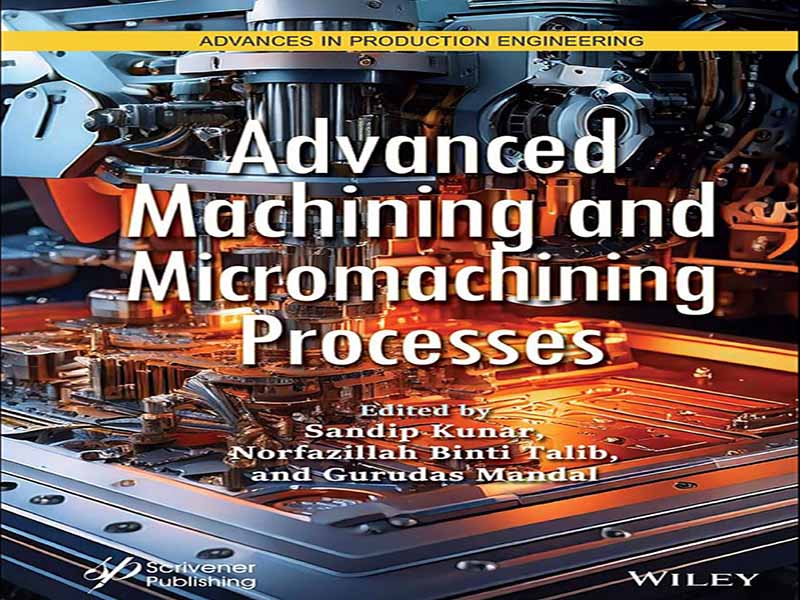
- عنوان کتاب: Advanced Machining and Micromachining Processes
- نویسنده: Sandip Kunar
- حوزه: ماشینکاری
- سال انتشار: 2025
- تعداد صفحه: 981
- زبان اصلی: انگلیسی
- نوع فایل: pdf
- حجم فایل: 25.7 مگابایت
یکی از محرکهای اصلی توسعه اجتماعی-اقتصادی یک کشور، بخش تولید آن است. رقابت در مقیاس جهانی مستلزم آن است که صنایع کالاهایی تولید کنند که نه تنها الزامات عملکردی را برآورده کنند، بلکه تأثیر زیستمحیطی را نیز به حداقل برسانند. در نتیجه، کسبوکارها بهطور مداوم به دنبال تکنیکهای پیشرفته و نوآورانه ماشینکاری و میکروماشینکاری هستند که ضمن کاهش آسیبهای زیستمحیطی، کارایی را بهینه میکنند. این فشار رقابتی رو به رشد، توسعه مفاهیم طراحی و تولید پیچیده را برانگیخته است. روشهای مدرن ماشینکاری و میکروماشینکاری برای تطبیق با استفاده از مواد جدیدتر در کاربردهای متنوع، ضمن تضمین دقت دقیق ماشینکاری، تکامل یافتهاند. هدف اصلی این کتاب، بررسی و تجزیه و تحلیل رویکردهای مختلف در فرآیندهای ماشینکاری و میکروماشینکاری مدرن، با تمرکز بر اثربخشی و کاربرد آنها در توسعه موفق محصول است. در نتیجه، این کتاب بر دیدگاه مهندسی صنایع تأکید دارد. این کتاب برای مخاطبان گستردهای، از جمله دانشگاهیانی که در این زمینه گسترده مطالعه میکنند و همچنین محققان، دستاندرکاران صنعت، مهندسان و دانشمندان تحقیقاتی، در نظر گرفته شده است. این کتاب طیف وسیعی از فرآیندهای ماشینکاری و میکروماشینکاری پیشرفته را پوشش میدهد که میتوانند توسط صنعت تولید برای افزایش بهرهوری و کمک به توسعه اجتماعی-اقتصادی مورد استفاده قرار گیرند. علاوه بر این، پروژههای تحقیقاتی در حال انجام در این زمینه را برجسته میکند و بینشهایی در مورد آخرین پیشرفتها در تکنیکهای پیشرفته ماشینکاری و میکروماشینکاری ارائه میدهد. فصل 1 به حوزههای مختلف فناوری میپردازد و به طور سیستماتیک تکنیکهایی را بررسی میکند که نمونهای از دقت و نوآوری هستند. این فصل مروری جامع بر رویههای پیشرفته ماشینکاری و میکروماشینکاری ارائه میدهد و مکانیک اساسی پشت این روشها را با دقت آشکار میکند. فصل 2 بر ماشینکاری جت ساینده تمرکز دارد و جزئیات فرآیندها، تجهیزات، پارامترهای فرآیند، قابلیتها، کاربردها، مزایا، معایب و مکانیسمهای اساسی را شرح میدهد. سپس فصل 3 ماشینکاری جت آب را بررسی میکند و اصول فرآیند، اجزای کلیدی، پارامترهای فرآیند، قابلیتها، کاربردها و همچنین مزایا و معایب آن را پوشش میدهد. فصل 4 اصول ماشینکاری تخلیه الکتریکی را شرح میدهد و الزامات ضروری فرآیند، مشخصات تجهیزات، انواع ژنراتورها، مواد الکترود، انتخاب سیالات دیالکتریک، طراحی ابزار، پارامترهای فرآیند، ویژگیهای ماشینکاری، قابلیتها، مزایا، معایب و عواملی را که باید هنگام انتخاب ماشین ابزارها در نظر گرفت، پوشش میدهد. فصل 5 بر ماشینکاری تخلیه الکتریکی سیمی تمرکز دارد و اصول فرآیند، جزئیات تجهیزات، پارامترها، ویژگیهای ماشینکاری، قابلیتها، کاربردها، مزایا، معایب و جنبههای حذف فلز آن را مورد بحث قرار میدهد. فصل 6 به بررسی ماشینکاری با پرتو لیزر میپردازد و عملکرد لیزر، روشهای وارونگی جمعیت، انواع لیزرها، شرح فرآیند، پارامترهای پرتو، قابلیتها، کاربردها، مزایا و معایب آن را توضیح میدهد. فصل 7 به بررسی ماشینکاری قوس پلاسما میپردازد و فرآیند، تجهیزات، حالتهای عملکرد مشعل پلاسمای DC، پارامترهای مؤثر بر عملکرد، قابلیتها، کاربردها، مزایا، معایب و اقدامات احتیاطی ایمنی را شرح میدهد. فصل 8 فرآیند، جزئیات تجهیزات، ویژگیها، کاربردها، مزایا و معایب ماشینکاری با پرتو یونی را توضیح میدهد. فصل 9 مقدمهای جامع بر ماشینکاری الکتروشیمیایی ارائه میدهد و اصول، کاربردها و پیشرفتهای بالقوه آینده آن را مورد بحث قرار میدهد و بر سهم آن در پیشرفت فرآیندهای میکروساخت در صنایع مختلف با فناوری پیشرفته تأکید میکند. فصل 10 جزئیات ماشینکاری اولتراسونیک را شرح میدهد و شرح فرآیند، تجهیزات، مکانیسم تغذیه ابزار، دوغاب ساینده، محیط مایع، ویژگیهای فرآیند، قابلیتها، کاربردها، مزایا، معایب، مکانیسم حذف مواد و پیشرفتهای اخیر در این تکنیک را پوشش میدهد. فصل 11 تئوری، مکانیک، تجهیزات، پارامترهای فرآیند، کاربردها، مزایا و معایب ماشینکاری با پرتو الکترونی را پوشش میدهد. فصل ۱۲ مروری بر ماشینکاری شیمیایی، شامل جزئیات فرآیند، تجهیزات، تأثیر اچانت، انتخاب ماسکانت و اچانت، کاربردها و ویژگیهای کلیدی ارائه میدهد. فصل ۱۳ به بررسی سنگزنی الکتروشیمیایی (ECG)، تغییرات آن برای کاربردهای خاص، مزایا، چالشها و مقایسه آن با سایر روشهای سنگزنی میپردازد و در پایان به وضعیت فعلی ECG و توصیههای تحقیقاتی آینده میپردازد. فصل ۱۴ فرآیند ماشینکاری فتوشیمیایی را بررسی میکند، مکانیسم اچینگ، طراحی آزمایش و تأثیرات پارامتری را پوشش میدهد و شکافهای تحقیقاتی را برای کارهای آینده شناسایی میکند. فصل ۱۵ بینشهایی در مورد میکروماشینکاری با کمک ساینده (AAM) ارائه میدهد و یافتههای کلیدی و نقش آن را در پیشرفت تولید دقیق خلاصه میکند. فصل ۱۶ پیشرفتها در مواد ساینده، نیروی محرکه جت و تکنیکهای بهینهسازی را برجسته میکند، کارایی، دقت و پایداری میکروماشینکاری جت آب ساینده (AWJM) را افزایش میدهد و کاربردهای آن را گسترش میدهد…
A key driver of a country’s socioeconomic development is its manufacturing sector. Competing on a global scale requires industries to produce goods that not only meet functional requirements but also minimize environmental impact. As a result, businesses are continually seeking innovative advanced machining and micromachining techniques that optimize efficiency while reducing environmental harm. This growing competitive pressure has spurred the development of sophisticated design and production concepts. Modern machining and micromachining methods have evolved to accommodate the use of newer materials across diverse applications, while ensuring precise machining accuracy. The primary aim of this book is to explore and analyze various approaches in modern machining and micromachining processes, with a focus on their effectiveness and application in successful product development. Consequently, the book emphasizes an industrial engineering perspective. It is intended for a wide audience, including academics studying this expansive field, as well as researchers, industry practitioners, engineers, and research scientists. This book covers a range of advanced machining and micromachining processes that can be utilized by the manufacturing industry to enhance productivity and contribute to socioeconomic development. Additionally, it highlights ongoing research projects in the field and provides insights into the latest advancements in advanced machining and micromachining techniques. Chapter 1 delves into various technological domains, systematically examining techniques that exemplify precision and innovation. It provides a comprehensive overview of advanced machining and micromachining procedures, carefully uncovering the fundamental mechanics behind these methods. Chapter 2 focuses on abrasive jet machining, detailing the processes, equipment, process parameters, capabilities, applications, advantages, disadvantages, and underlying mechanisms. Chapter 3 then explores water jet machining, covering the process principles, key components, process parameters, capabilities, applications, as well as its benefits and drawbacks. Chapter 4 details the principles of electro discharge machining, covering essential process requirements, equipment specifications, types of generators, electrode materials, selection of dielectric fluids, tool design, process parameters, machining characteristics, capabilities, advantages, disadvantages, and factors to consider when selecting machine tools. Chapter 5 focuses on wire-electro discharge machining, discussing its process principles, equipment details, parameters, machining characteristics, capabilities, applications, benefits, drawbacks, and metal removal aspects. Chapter 6 examines laser beam machining, explaining the lasing action, population inversion methods, types of lasers, process descriptions, beam parameters, capabilities, applications, advantages, and disadvantages. Chapter 7 explores plasma arc machining, describing the process, equipment, DC plasma torch operating modes, performance-influencing parameters, capabilities, applications, advantages, disadvantages, and safety precautions. Chapter 8 explains the process, equipment details, characteristics, applications, advantages, and disadvantages of ion beam machining. Chapter 9 offers a comprehensive introduction to electrochemical machining, discussing its fundamentals, applications, and potential future developments, emphasizing its contribution to the advancement of micromanufacturing processes across various high-tech industries. Chapter 10 details ultrasonic machining, covering the process description, equipment, tool feed mechanism, abrasive slurry, liquid media, process characteristics, capabilities, applications, advantages, disadvantages, the material removal mechanism, and recent advancements in this technique. Chapter 11 covers the theory, mechanics, equipment, process parameters, applications, advantages, and disadvantages of electron beam machining. Chapter 12 provides an overview of chemical machining, including process details, equipment, etchant influence, maskant and etchant selection, applications, and key characteristics. Chapter 13 examines electrochemical grinding (ECG), its variations for specific applications, advantages, challenges, and compares it with other grinding methods, concluding with ECG’s current state and future research recommendations. Chapter 14 explores the photochemical machining process, covering the etching mechanism, experimental design, and parametric impacts, and identifies research gaps for future work. Chapter 15 offers insights into abrasive-assisted micromachining (AAM), summarizing key findings and its role in advancing precision manufacturing. Chapter 16 highlights advancements in abrasive materials, jet propulsion, and optimization techniques, enhancing the efficiency, precision, and sustainability of abrasive water jet micromachining (AWJM), expanding its applications and economic viability. Chapter 17 covers the principles of electro discharge machining (EDM), focusing on material removal, key parameters, and differences between macro-EDM and micro-EDM for precision. Chapter 18 reviews recent developments in electrochemical micromachining (EMM), detailing mass removal rates, microtool feed rate selection, and challenges in predicting shape evolution. Chapter 19 provides an overview of ultrasonic micromachining, including principles, equipment, parameters, applications, and recent advancements. Chapter 20 discusses laser surface modification techniques, focusing on their role in improving implant surface properties. Chapter 21 reviews focused ion beam processes, including standard, developed, and combined methods. Chapter 22 examines glass workpiece micromachining using electrochemical discharge machining with a three-pass tool feed to prevent bending. Chapter 23 provides a comprehensive overview of abrasive water jet machining, from principles to applications and trends, serving both academic and practical needs in manufacturing. Chapter 24 covers ultrasonic vibration-assisted micromachining, focusing on its applications, capabilities, and limitations for difficult-to-cut materials. Chapter 25 highlights laser micromachining’s role in improving tool wear resistance, stress, and surface roughness in highstrength alloys, emphasizing key laser sources. Chapter 26 provides insights into research on the abrasive flow finishing process. Chapter 27 outlines the principles, advantages, and disadvantages of elastic emission machining. Chapter 28 offers a detailed overview of the magnetic abrasive finishing (MAF) process, including its components, mechanisms, parameters, and applications. Chapter 29 explores the use of Genetic Algorithm (GA) for multi-objective optimization in machining, addressing conflicting performance measures. Fuzzy Grey Relation Analysis (GRA) is applied to refine GA results, achieving an optimal parametric combination for precision machining of VT20 titanium alloy using electro discharge machining. Chapter 30 examines the machining of Titanium Grade-2 and P-20 tool steel using the L16 orthogonal array, focusing on process parameters such as current, bed speed, pulse time, voltage, and flush rate in wire electric discharge machining. Chapter 31 highlights the importance of wet bulk micromachining in MEMS fabrication, providing an overview from basic crystallography and wet anisotropic etching to advanced silicon wafer manufacturing and micro-fabrication techniques for MEMS components. We want to thank God first and foremost. Throughout the process of compiling this book, the truth of the gift of writing for everyone became apparent. You have bestowed upon us the ability to believe in devotion, diligence, and dream-chasing. Without the confidence in you, the Almighty, this would never have been possible. We extend our sincere gratitude to all our friends and colleagues around the world who contributed suggestions and helped shape our ideas. We are especially thankful to the quality managers whose thoughtful insights greatly influenced this work. If experts in the fields of advanced machining and micromachining processes benefit from our efforts, it will greatly please us. We are also deeply appreciative of Martin Scrivener and the team at Scrivener Publishing and all our technical reviewers for their dedication to this extensive project. Their invaluable contributions were essential in bringing this book to completion. Finally, but most definitely not least, we want to express our gratitude to all our well-wishers for their support. Many people from all backgrounds have generously assisted us while we produced this book. Without them, we might have given up.
این کتاب را میتوانید از لینک زیر بصورت رایگان دانلود کنید:






















نظرات کاربران