



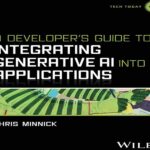











- عنوان کتاب: A Developers Guide to Integrating Generative AI Into Applications
- نویسنده: Chris Minnick
- حوزه: هوش مصنوعی مولد
- سال انتشار: 2026
- تعداد صفحه: 417
- زبان اصلی: انگلیسی
- نوع فایل: pdf
- حجم فایل: 9.85 مگابایت
برنامهنویسی از بین نمیرود. حتی پیچیدهترین سیستم هوش مصنوعی هم از رحم مادر با قابلیت ارتباط با شبکهها، رابطهای کاربری و پایگاههای داده به وجود نمیآید. نرمافزار باید برای پر کردن شکاف بین انسان و هوش مصنوعی، و بین هوش مصنوعی و پلتفرمهای محاسباتی (یا سیستم عاملها) نوشته شود. این کتاب در مورد همین موضوع است. کدی که شکاف بین ماشین و هوش مصنوعی را پر میکند، به زبانهای برنامهنویسی نوشته شده است که همه ما میشناسیم و دوست داریم. رابطهای کاربری وب، سرورهای backend، اسکریپتهای shell، برنامههای تلفن همراه و درایورها، همگی در این امر نقش دارند. کدی که شکاف بین هوش مصنوعی و انسان را پر میکند، به طور فزایندهای «دستورالعمل» است. همانطور که بارها در این کتاب خواهید دید، دستورات فقط گپهای معمولی نیستند. دستورات عمداً با کلمات نوشته شده و دستورالعملهای دقیقی هستند که با هدف انجام وظایف خاص طراحی شدهاند. به عبارت دیگر، دستورات، کد کامپیوتری هستند. بخش عمدهای از کار ادغام هوش مصنوعی مولد در نرمافزار الگوریتمی سنتی شامل نوشتن دستورات برای یک مدل زبانی بزرگ برای پاسخگویی است. انتخاب مدل، نحوه ساخت دستور و تنظیمات چندین پارامتر، بر کیفیت پاسخهایی که از یک مدل دریافت میکنید، تأثیر میگذارد. با این حال، برخلاف نرمافزارهای سنتی، هوش مصنوعی مولد قطعی نیست. درست مانند کار با یک انسان دیگر، هیچ راه مطمئنی برای همیشه بهترین یا حتی یکسان بودن نتایج هنگام ارائه دستور به هوش مصنوعی مولد وجود ندارد. اینجاست که مهندسی هوش مصنوعی وارد عمل میشود. مهندسی هوش مصنوعی با اعمال اصول مهندسی در فناوریهای هوش مصنوعی، بر توسعه، استقرار و نگهداری سیستمهای هوش مصنوعی تمرکز دارد. در این کتاب، ما بیشتر به بخش «در حال توسعه» این نقش نگاه میکنیم. چگونه کدی مینویسید که شکاف بین انسان و هوش مصنوعی را پر کند؟
Programming isn’t going away. Even the most sophisticated AI system doesn’t spring from the womb with the ability to interface with networks, user interfaces, and databases. Software must be written to bridge the gaps between humans and AI, and between AI and computing platforms (or operating systems). That’s what this book is about. The code that bridges the gap between machine and AI is written in the programming languages we all know and love. Web UIs, backend servers, shell scripts, mobile apps, and drivers all play a part. The code that bridges the gap between AI and humans is, increasingly, the “prompt.” Prompts aren’t just casual chitchat, as you’ll see repeatedly in this book. Prompts are intentionally worded and carefully crafted instructions aimed at accomplishing specific tasks. In other words, prompts are computer code. Much of the job of integrating generative AI into traditional algorithmic software involves writing prompts for a large language model to respond to. The choice of model, how you craft the prompt, and the settings of several parameters influence the quality of responses you get out of a model. Unlike traditional software, however, generative AI isn’t deterministic. Just like working with another human, there’s no surefire way to always get the best, or even the same, results when you give generative AI a prompt. This is where AI engineering comes in. AI engineering focuses on developing, deploying, and maintaining AI systems by applying engineering principles to AI technologies. In this book, we’re looking mostly at the “developing” part of the role. How do you write the code to bridge the gap between humans and AI?
این کتاب را میتوانید از لینک زیر بصورت رایگان دانلود کنید:
Download: A Developers Guide to Integrating Generative AI Into Applications


















نظرات کاربران